
Coming Soon: “The Fifth Estate”
Posted on September 9, 2013 at 8:00 am
Posted on September 9, 2013 at 8:00 am
Posted on September 3, 2013 at 5:03 pm

 E.L. James’ erotic best-seller Fifty Shades of Grey


Posted on August 31, 2013 at 2:29 pm
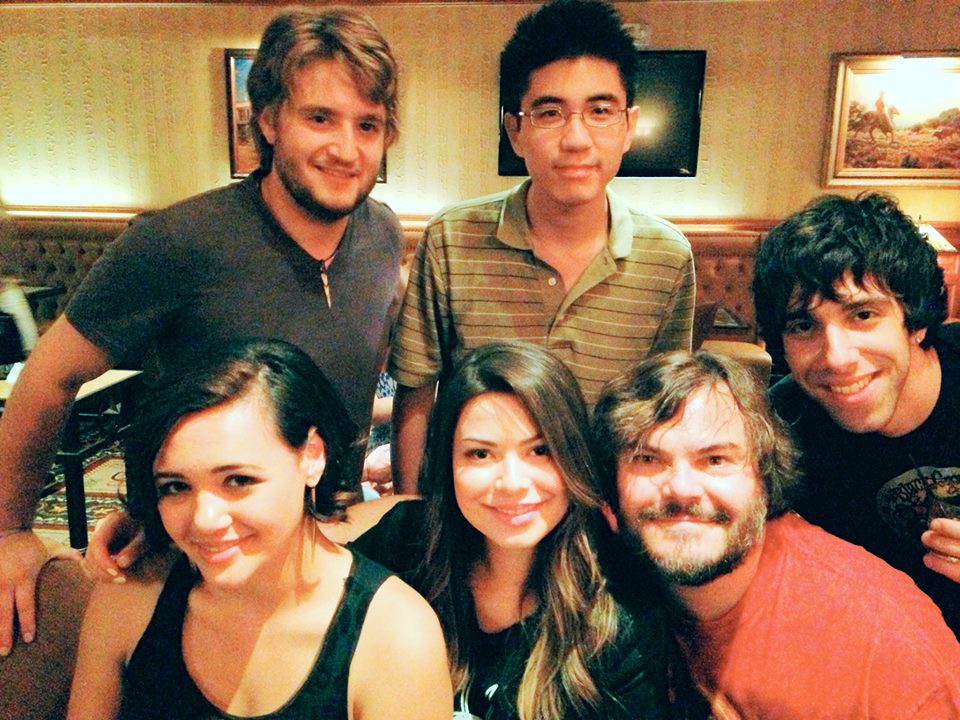
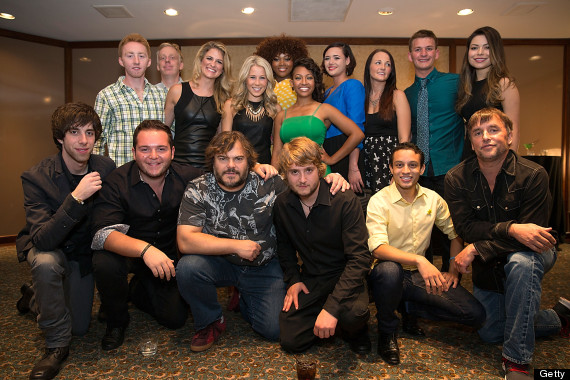
Can it be 10 years since “School of Rock?” Jack Black and the kids got together for a reunion.
Posted on August 29, 2013 at 8:00 am
Director J.J. Abrams is getting ready to begin filming of the next cycle of “Star Wars” movies. And every studio and location in the world — literally — wants to host them. Variety quotes Albuquerque Studios president Gary Arnold:
“Every location and facility across the globe and every state in the U.S. must be offering the moon and stars,” Arnold says. “And they’re all willing to offer things on a one-shot basis, everything they can imagine the producers might want, just to be able to say they got the new ‘Star Wars’ shoot. That din is probably the first challenge facing any location or facility that wants to be seriously considered.”
…
Says Arnold: “The irony of ‘Star Wars’ is there won’t be a single location that is identifiable. We had one of the biggest-grossing films in history, ‘The Avengers’ shoot here, but ‘Breaking Bad’ has more impact on tourism than anything we’ve ever done in New Mexico. Identifiable locales are what drives tourism.”
According to Variety, they will be shooting at the legendary Pinewood Studios in London. The original “Star Wars” script for what is now chapter IV was set in a jungle environment, but that was switched to desert for budgetary reasons. I wonder what factors will enter into the decision about the settings for this one, especially now that so much can be done digitally.
Posted on August 21, 2013 at 8:08 am
The Icelandic composer Atli Örvarsson was attending the premiere of Hansel and Gretel: Witch Hunters. Director Harald Zwart was so impressed with the score that he offered Örvarsson the job of creating the score for his new project, a film based on the first of Cassandra Clare’s best-selling fantasy series, “The Mortal Instruments: City of Bones.” One problem for Zward — he had to tell the Oscar-winning composer he had already hired that the job was going to someone else. One problem for Örvarsson — he only had three weeks to score an entire movie. Based on the fantasy world of Shadowhunters, Örvarsson created several themes for the film. Incorporating bells and dulcimers to exemplify the presence of new and old, Örvarsson’s theme for Clary is inspired by New Age music with gypsy undertones. He talked to me about writing for a female heroine and why having less choice in what to watch on television can be a good education.
How do you prepare a score that sets the mood for fantasy?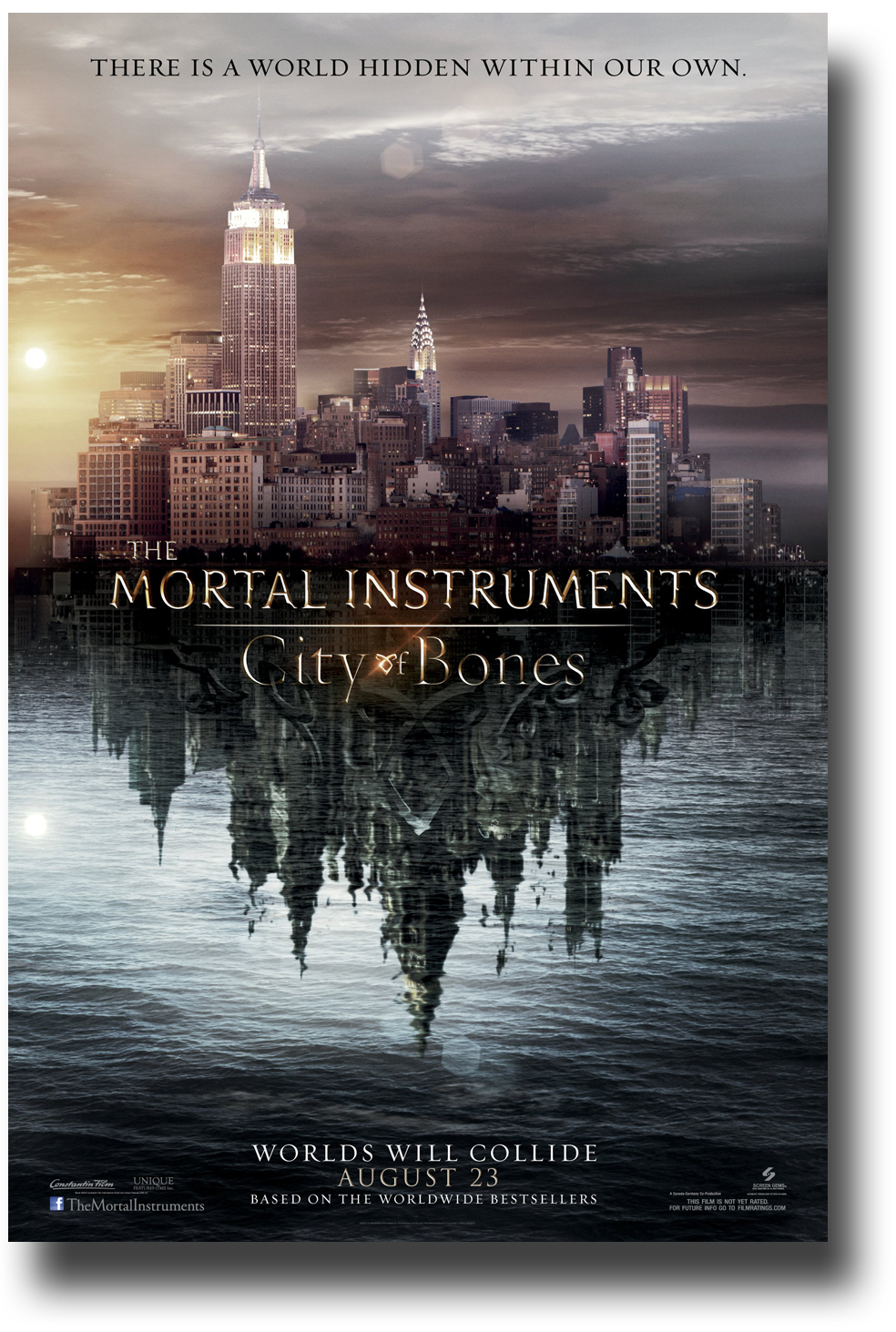
I don’t think about it too much. For me, in a funny way the key to thinking about this movie was Johann Sebastian Bach. The reason being, he’s written into the script in a clever, funny way. He is supposedly a part of the Shadow Hunters, the group of people this story is about, half angel, half human, who fight the dark elements. I thought, that makes life easier. If you’re going to steal you might as well steal from the best and he is arguably the best Western composer of all time, so that was a good place to start. My job is to lend the characters and the story emotion and also importance. That’s the trick, isn’t it? For you to suspend belief, you have to invest in the story and the characters. I felt that the most important thing I could do was to make all these events that are outlandish seem important and personal. That’s what I was going for?
How do you work on such a tight time frame?
It’s like when you’re in school and you have two months to write a paper and you end up writing it in two days regardless of how much time you have. In some ways, time is relative in the sense that if you have a good relationship and an understanding about the aesthetics that clicks with the director, having a limited amount of time can be a blessing because you don’t have time to second-guess every decision. I had to just jump in and start writing. I’ve learned that to write good cues for movies you have to have strong music in the first place, proper melodies, strong musical ideas. It was a bit scary because I knew the clock was ticking, but I also knew I had to have strong material or it would just be wallpaper. It was finding that balance and then jump in and hope for the best.
Did you have a full orchestra or create the score on a computer?
I composed on the computer and then I went to London and recorded at Abbey Road with an orchestra and choir and solo pianist and choir boy soloist and all sorts of interesting things, about seven days of recording. Lily Collins, who stars in the movie, came to the recording.
There’s a scene early in the film at a modern-day club. How do you work with the club music that is already matched to that scene?
I take over that scene toward the end of it when a killing happens and the music goes from a club track to morph into the score piece. But I ended up writing strings for a sweetening for a couple of the songs to co-exist or merge with the score.
What kind of exposure did you have to American films, growing up in Iceland?
There wasn’t much exposure to Icelandic films because at the time they would make them every five years or so. What we saw was mostly about 50 percent American and 50 percent European. The funny thing about it was that there was one television station in Iceland when I was growing up and it broadcast only in the evenings, except on Thursday which was when the staff had the day off so there was no broadcast and the month of July when they had summer break. It’s ironic that I write music for television and film which I am clearly not qualified to do because I wasn’t exposed to it enough as a child. But all joking aside, one night there would be a depressing Czech drama on and the next night would be something like “Dallas.” It’s good to be exposed to such a wide range. There’s a place for both. My next film could not be more different from this one. It is a Holocaust love story. Having limited choices meant a broader exposure to stories and genres and that was a good education.
Is it different to write an action film score for a female lead?
Absolutely! There’s a feminine element that wouldn’t be present if it was a guy. In “Hansel and Gretel: Witch Hunters,” there’s a guy and a girl. The presence of a female character made that dynamic different. “Mortal Instruments” even more so because the hero is a girl. I’m not going to write the same thing for a girl hero as a guy. Men and women just function differently. There’s a different core there. As much as I’m all about equality of the sexes but we have to celebrate the differences.