Interview: Patrick Creadon of “If You Build It”

Posted on February 23, 2014 at 8:00 am

Patrick Creadon is the director of the new documentary “If You Build It,” the story of an idealistic young couple who movie to a depressed North Carolina community to teach teenagers how to solve problems with design.  He talked to me about the town, the couple, Emily Pilloton and Matt Miller, and why this story was so meaningful to him.

https://vimeo.com/79902240

What led you to this story?

When I was growing up, the television show “This Old House” was by far my favorite TV show.  I was the nerdiest kid on the block and I loved PBS. But I particularly loved that show and I loved seeing things getting torn down and rebuilt, or not torn down but redone, and fixed.  The fixing of things, and loving things, and taking care of things was incredibly inspiring to me.  I loved it.  I loved everything about it.  And truthfully, I also love the movie “The Breakfast Club” so for me, this was like a mash up.

I was around sort of filmmaking when I was a kid.  I did some acting, but I never considered it to be a life pursuit.  It was more like a hobby that we did as kids.  We have some really fun experience with doing it but I really, really love documentaries.  And being around filmmakers, I realized I could be a documentary filmmaker and that could be a thing.   I’ll do that.  And I worked for WTTW for about three years when I got out after college.

And I did that for three years.  I studied film at the American Film Institute here in LA.  I came out in one graduate school.  And for about 15 years, I was a freelance cameraman and I was shooting other people’s stuff, documentaries, and TV shows, and stuff.  And my wife and I made a documentary about the New York Times crossword puzzle called Wordplay. That was our first film and it was a wonderful experience. We did it because we love crossword puzzles and I literally was terrified the year we were making that film that somebody else was going to make one because I couldn’t believe that nobody has done a Will Shortz movie.  We made it in our spare bedroom.  We never thought it would get out there the way it did.  And it gave us a lot of freedom.  I mean not financially believe me. Documentary is challenging but people could see that we could do offbeat stories well and so the next movie was I.O.U.S.A., which is a non partisan look at the national debt.

And then along came this story and for a reason I already mentioned, it resonated with me.  I loved design, I love fixing things, I love a high school story. We thought that there could be some really great characters that we would meet and kind of a culture clash between Emily and Matt and the students. The bottom line is Christina and I have three young daughters who are in public schools in LA.  It felt like there were a lot of compelling reasons to make this movie so even though it was a story that took place in a small town that we have never even heard of, it felt incredibly personal to. 

This is the story of a small group in a small town but there are some important big issues and lessons with broad applicability, too.

I think it takes a little time for people to understand what’s in it for them like what is in this movie for me.  And what we’ve learned over the last three-and-a-half years since we started is that, I know this sounds lame, but there is something in this film for everyone.  I really firmly believe that.  So whether you’re a parent, or a student, or a retiree, or a young person looking for their first career, or someone who’s midcareer and they have some community projects that are thrown in their side and they can’t figure it out how to fix it like I think what I’m trying to say is I think that our country is in a like a reboot moment like we’re rebooting a lot of things.  We really are rethinking the way we’ve done things and the way we should be doing things.  And the challenge there is that that’s a very scary moment, but it’s also a very exciting moment.  And as people are thinking about rebooting things in their lives, it’s a good time for some designed thinking.  And it’s a third time to really think about problems from a fresh perspective and I think that that’s what designers do.  I really believe in that.

One of the things I wrote in my notes was this movie answers the age old question of “When am I ever need calculus?”

It’s hard to get truly inspired when you’re taking PE Online.  That’s just not going to inspire a kid.

Why was it important to include the earlier story about Matt’s failed effort to donate a house that he built in Detroit?

Well I think it’s really fascinating and it’s a little heartbreaking when you see the story about what happened. Honestly, our biggest fear with this film from the beginning was, “Oh no!  We’re making a Kumbaya movie.” Where everyone’s going to sit around the campfire and sing a song and there will be nice people doing nice things.  And that might be a little lame frankly.  And from the very first day, we realized how hard it was to do the kind of work that Matt and Emily were doing.  I mean our very first trip was when the school superintendent was forced to resign, that was shortly after we got to town. We went to North Carolina about one week every month for a year.  On one of our trips, Matt was looking like his dog has died or something and I said, “What’s wrong, Matt?”  He had just gone back to Detroit and saw the condition the house was in. But the thing is I’ve met so many folks in the non-profit space we’ve all got our Detroit story, everyone of us has a story like that. And it’s talking about rebooting, really rethinking charity. Never give a guy a fish but teach him to fish. So the thing about Matt and Emily and the thing about our film is, they haven’t really reinvented any wheels here.  The one thing they did that’s unusual and I think that is cutting edge is they took this curriculum into a high school.  And to my knowledge, this level of certification and this level of ambition is unique.  These kids were basically learning graduate level and college level skills.  So that is unique but project-based learning, new charity models, community redevelopment, new educational experiments, I don’t think Matt and Emily had a monopoly or anything of those things or they aren’t the creator of either of any of those sorts of things.  They’re certainly not the creator of this idea of design thinking. What they did though, they took a risk.  They took ten kids for a year and spent three hours a day with them and taught them something that most people thought was way above them, way above their heads and the kids are not going to be able to keep up. And the kids loved it.  You saw it.  You kids loved it.
Related Tags:


Directors Documentary Interview

Interview: Christopher Lennertz, Comedy Movie Composer

Posted on February 20, 2014 at 7:53 am

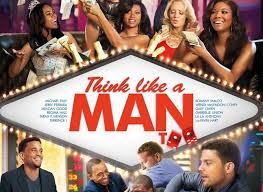
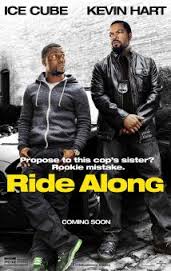
ride alongChristopher Lennertz is one of Hollywood’s busiest composers.  Lately, he has specialized in writing scores for comedies like Kevin Hart’s Ride Along, with two more big comedic projects later this year: Think Like A Man Too (with Ride Along director Tim Story) and Horrible Bosses 2. In addition, he also does the music for the CW series Supernatural and the NBC drama Revolution.  Past credits include last year’s Identity ThiefThink Like A ManHorrible Bosses, and Alvin & The Chipmunks.  He was generous in taking time from his very busy schedule to talk to me.

How did you get involved in writing music for movies?

I started loving music at a very young age, I started playing the trumpet when I was nine and then I think I wrote my first song in fifth grade.  Then I realized that the guitar is much cooler and the girls seem to like guitar players much better so I started playing the guitar when I was 13 and I just got more and more into music. I played in a rock band and as I really started to get into it, I studied classical and jazz and then coming out of California, I originally studied guitar and then I found myself in my sophomore year of college recording a session with Henry Mancini.

Wow!

Yeah, that sort of changed everything and I sure went back the next day, changed my major and decided I wanted to be a composer.  I think it was just watching that session that gave me the impetus to sort of change my focus and focus on writing rather than on performing and that is a big difference. For me, that was a really big move.

What it is about writing that makes writing a score a comedy especially challenging? Especially something like Ride Along which is really 60% action movie, 40% comedy; how do you cover both types of themes in composing?

You’re right. There are sort of three different styles of music in Ride Along. One is most definitely the comedy and that is usually focusing on what Kevin Hart is doing. But one of the things that Ioved about that movie and that I liked about those types of comedies is that it allows you to sort of us set up the comedy with reality and sort of hyper reality so what that ended up doing was playing Ice Cube really, really straight, very, very tough no-nonsense, so that when Kevin did get funny, everything sort of became a big contrast. Same thing with the action; I really treated the action as real.

At what stage in a movie like that do you get involved? Is it early on or after the story has been shot?

This one I came onto about halfway through shooting and I had worked with the director, Tim Story, on Think Like a Man, so we had a relationship.  At that point it was relatively quick that I sort of jumped in and started to come up with ideas and Tim and I started working on our approach and figuring out what he really wanted out of the music and that is sort of what put it to the next level.

I know you can’t talk too much about Think Like a Man Too, but you are working on that now aren’t you?

I started on it last week. All I can tell you is that it is just as funny, if not possibly funnier than the last one but it is also very similar in the fact that the ending is even more romantic and it is really kind of sweet. Again it is a great movie because it is funny for guys and super romantic at the end. It is just all around a great movie and I think it is just going to be bigger than the first one.

Do you just create the themes or do you also work on the adapting them to individual scenes?think like a man too

By the end of the day every single scene has gone through trial and error.  I try to make it fit every bit of the action just the way Tim wants it to and that’s really how we do it. It is a very intricate process going through the movie from start to finish we will probably, on Think like A Man 2 be about a six week to two month process.  Usually what happens is I’ll write for a brief period of time, I’ll write for five days, seven days, have him come in, check out how the process is going, give me some directions, continue writing, that kind of thing and then slowly but surely we get through the whole thing and that is definitely what I assume is going to happen with this one too.

What’s on your iPod? What are you listening to when you are in the car?

Oh wow! You know, that is one of the reasons I love doing what I do. If you looked at my playlist in the car you would find Metallica, you’ll find U2, you’ll find the Beatles. You will also find Danny Elfman, John Williams and you also find John Coltrane and Miles Davis and a bunch of stuff like that so I really like the idea of being very eclectic with music because it really keeps things interesting. I think every style of music has a valid thing to contribute to people’s lives and I think that I love the fact that I can float around in various multiple genres.

Can you give me an example of a movie where you think that the music works really, really effectively to create the mood and tell the story?

There’s so many. I think John Williams is sheer perfection. Indiana Jones was sheer perfection and Star Wars and at the same time I think of Braveheart.  The Godfather was perfect. That was really one of my favorites.

If you could pick any movie from the past that you could magically transport yourself back in time and create a score for, what movie would you pick?

It is really hard to do that because the movies that I love the most already have what I would consider to be phenomenal scores and so when I go back and think about that I think one that always comes to mind that I would love to get a crack at is Terminator. Because I feel like, and let me explain this and be clear, I think that the music for Terminator was absolutely perfect the year that it came out but because it was so synthesized  it becomes very traditional. It becomes very dated 80’s music, an example of that where the music was so current as far as what the instruments were, that later on you watch it and you can’t get it out of your head how dated it sounds so I think that given an opportunity, I would love to take a shot at it.  I would love to do a big sword and sorcery kind of thing. I would love to do a Lord of the Rings or Braveheart or something like that but then again, who wouldn’t

Related Tags:


Behind the Scenes Composers Interview Music

Interview: Kit Harington of “Game of Thrones” and “Pompeii”

Posted on February 19, 2014 at 8:00 am

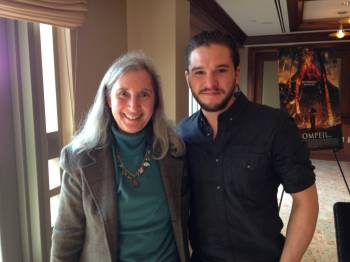
kit harington nell minow

Kit Harington (Jon Snow in “Game of Thrones”) stars as Milo in this week’s 3D epic, “Pompeii.”  He plays a gladiator who falls in love with Cassia (Emily Browning), the beautiful daughter of a wealthy merchant.  His gladiator opponent-turned friend is played by “Thor’s” Adewale Akinnuoye-Agbaje and they have some tremendously exciting fight scenes.  We talked about why fight scenes help you act, which actor is his hero, why there’s a 1980’s Disney movie he wishes he could have been in, and why actors in movies set in ancient Rome always seem to speak with British accents.  We will also hear Harington’s elegant English accent in the forthcoming “How to Train Your Dragon 2.”

I want to ask you about your co-star, Adewale Akinnuoye-Agbaje, because I am a big fan and he was great in this movie.

He came to the movie quite late and he came in with such enthusiasm.  He is somewhere on that method kind of level when he is on the set. He is very, very dedicated.  He’s got wonderful gravitas and wonderful presence about him. I was very lucky to have him as that character because it was that character that I was most concerned about when I signed up for the movie. I was very happy to have him.

It was as much about your relationship with him as it was about your relationship with Emily Browning’s character.

Absolutely.  I was lucky with both actors. It is the most nervewracking thing meeting your other castmates because you are going to be working closely with them. I was lucky with both Emily and Adewale.

I was hugely impressed with your fighting skills in this. You had so many different styles of fighting and so many different kinds of encounters and you were just on top of it all of the time. So how did you learn how to fight and were these different fighting skills or weapons than you had before?

I love it. I wouldn’t have done this movie if I did not like sword fighting but I know I am good at it. I think I am fine to say that. I really enjoy it. And it is a wonderful process learning to fight because I’d never done anything quite like this and so I had to go to gladiator school for training. It went on for four weeks and they gave me two weapons.  I had to start learning the other hand on how to fight. What happens is you slowly learn these fights in stages, stage by stage and you build up and then they get so fast and so fluid that they just look like a dance where you are clocking steps and that is when you have to put the intention back in. You say to yourself, “I go for the strike here and now I see the opening there, and now I’m going to go for a thrust there.”  It is a dance but it is also a dialogue. I find you can lose yourself in an acting sense in a fight far more easily than you can in a dialogue scene and I love that about it. We try as actor all the time, we strive just to completely sort of lose ourselves in the moment and we never quite get there but in a fight you can do it in seconds that is what I love about it.

What weapons were new to you and what were the challenges of learning them?

Two-handed short sword in the first place. It is almost like a dagger and it was wonderful for the character because he is so very fast and he is meant to be this blur of speed and that is his strength. Sword and shield I had never used. I had never thrown a spear before. I had to do chain work where I wrapped chains around things and stopped people. There were all sorts. Every day I came in they had something new for me to do. There were different types of swords that I would fight with. I had to throw a sword a couple of times that was fun.  At one point I have to turn around and throw this sword at a guy and there was a stuntman there and I had to miss him by as small amount as I could.  At one point it went right past his right arm and stuck into the wall behind. It felt very cool but it was very scary.

Your character barely speaks for the first half of the movie. It is all internal. So tell me a little bit about how you thought about his background and how that informed this character.

I do like characters like that.  I thought of the kind of characters Steve McQueen played.  Sometimes there were lines in this where we get rid of them because I feel in a movie like this in this sort of period of history in that social status from that background I don’t think people did wax lyrical. I don’t believe they did talk in the way we talk now or philosophize in the way that we do in the modern sense and they were not modern men as we know them.  So I feel the realism comes when he only says the bare minimum of what he has to say and he is very silent. I like that. I like characters who are internal, silent, and still; so I wanted to get rid of most of his lines and I sort of did.

And are you as good with horses as Milo is? Have you been around horses a lot?

People keep putting me with horses. That is so strange.  My first ever job was a job called “War Horse” where I was a horse whisperer that and then on “Thrones” I ride horses all the time and in a different movie I do ride horses. In this I’m a horse whisperer. I have a healthy respect for horses I think it is fair to say. I know how to ride very well now. Once you get into the country notion of galloping it is a beautiful thing. It feels like floating on air.   I have this weird thing whenever I see someone on a horse I think it is just the oddest image because if you just take yourself out of it, it is a monkey riding a horse and I always think that is very funny. When I see people on horseback, I’m like how did we ever get them to let us do that? And what is that animal putting up with us on its back?

I want to ask you about the green screen.  How much did you know about what it was going to look like and how much was green screen?

They built half a coliseum.  And there is less green screen in the movie than you would actually first think. They built half a coliseum and then they did lots of reverse angles. The top half of it is green screened because they can’t build the whole thing but the streets in the street scenes, the cellars, all of that were real sets. It was pretty much some of the big wide shots and the volcano exploding they used the CGI for and it is tricky to act with.  But the ash was actual ash.  So we spent weeks and weeks breathing this stuff in. All of the camera crew and the directors and everyone had masks on.  And I was going, “Are you sure this stuff is safe to breathe in?” And they would go, “Yeah, no, it is fine, don’t worry about it.”  Like just get on with it. So I’m sure there’s a lawsuit in the making.  

Where was it?

In Toronto. We filmed it all in this one big massive studio in Toronto.  I love location work. I love going out but there is something quite theatrical about always being in the same place and we came back to work at the same studio each day and it felt like going on to a theater stage every night. It was a bit like that.

Why do you think it is we keep coming back to these sword and sandals stories?  Why is it that those stories are so incredibly important in our culture?

I think it is the same reason why Pompeii is one of the greatest and most visited archeological sites in the world. We are fascinated with our own history and we are fascinated with the Romans because they were millennia ago and yet they still capture our imagination because they were actually so similar to us. They were very civilized. They had a very similar political system. I think that is why we are fascinated by it because we want to as humans we want to imagine ourselves in a different time period, a different culture, and in a different civilization. I think people love movies like this because we hear the story about Pompeii and we want to see it. We want to imagine it. We want to see it. We want it brought to life. It is as simple as that really. And also you can go back to that time and I don’t think our lust for blood sport has changed. I think our morality has about it but I don’t think our lust has, or our human desire to see fighting. It is still very there. It was very interesting, I went to an ice hockey game when I was in Toronto.  And they dropped their gloves and started fighting and the whole crowd was like, “Come on!” and they were cheering and I looked around and I went, “This is perfect. This is exactly what the Romans were into. It was seeing two men go at it.”

Were you injured at all when you were making the film?

Oh yeah…never seriously injured but I picked up a lot of knocks.   This finger here will never be the same. It is slightly swollen as you can see and it will always be now.  It is like a minor thing but it does get on your nerves.

Why is it that we always have people in ancient Rome speaking with English accents?

For some reason it doesn’t work in American. It is really strange.  It would not work in Australian either. We see Australia and the US as the new world and we know it as the new world and we see the UK and Europe as the old world so you can have Spanish accents, you can have English, Scottish.  I mean it is not just an English accent, it is a British accent¸ you can have a Scottish accent, you can have a French accent. It works for the whole of Europe.  Medieval you know.

When you were growing up what were the movies where you said, “This is what I want to do?” 

“Romeo and Juliet,” that was a big marker for me and seeing DiCaprio do that was fantastic.  There is a brilliant movie called “25th Hour.”  It was written by David Benioff who wrote “Thrones.”  When I get drunk I always start quoting that speech.  It was plays more than anything really and I saw two plays that were big markers in my career.  When I was about 14 I saw “Waiting for Godot” and I absolutely adored it. I thought it was the best thing since sliced bread and it made me pick up drama.  The other one was “Hamlet” that I saw when I was 17 which made me want to go to drama school and that was Ben Wishaw playing Hamlet and he was just mesmerizing.  He is the only person that has ever made me tongue-tied when I met him.  I didn’t know what to say and went very red around the face and sort of had to walk off. He is a hero of mine.

And if you could be in any movie from the past, what movie would you pick?

I would be on “Honey I Shrunk The Kids.”  I always thought that was fun. Slide down things and stuff.


Related Tags:


Actors Interview

Interview: Legendary Disney Animator Floyd Norman of “The Jungle Book”

Posted on February 10, 2014 at 8:00 am

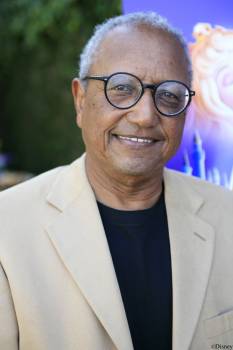
floyd norman headshotI am a big fan of Disney’s The Jungle Book, the last animated film personally overseen by Walt Disney. Tomorrow, a gorgeous new Diamond Edition will be released, and so I got a chance to talk to one of the animators who worked on the film, the wonderful Floyd Norman.

Is it true that when this film was first being put together Walt Disney threw everything out and started over again? How did that all happen?

You know Walt Disney was the boss at the Walt Disney studio.  It was pretty much a one-man studio in the old days and that means Walt Disney ran everything.  So the good part is you only had to please one guy. That was the nice part.  But Bill Peet who was Walt’s ace story man had been developing Kipling’s The Jungle Book throughout most of 1965.  Now Bill liked to work alone.  He had done the adaptation of “101 Dalmatians” all by himself.  He had adapted and written “Sword in the Stone” all by himself and he was also doing “The Jungle Book.”  It was going to be another solo act from Bill only this time Walt Disney did not care for Bill’s take on the story.  He thought it was much too dark in tone and he and Bill had gotten in a big argument and Bill walked off the movie.  Well that gave him an opportunity for a new story crew to be put in place and I was part of that new crew to basically rewrite the film.
Is it true that Walt said to ignore the book by Rudyard Kipling?

Oh very definitely. Walt called us all in and he said he wanted a show of hands.  He said, “How many of you have read Rudyard Kipling’s The Jungle Book?  Nobody raised their hands.  Nobody had read it.  Walt said, “Good, don’t read it.  I don’t want you to read it because I am going to tell the story a different way.”  So we started from scratch having never read The Jungle Book. I know it sounds crazy but that is what Walt wanted.

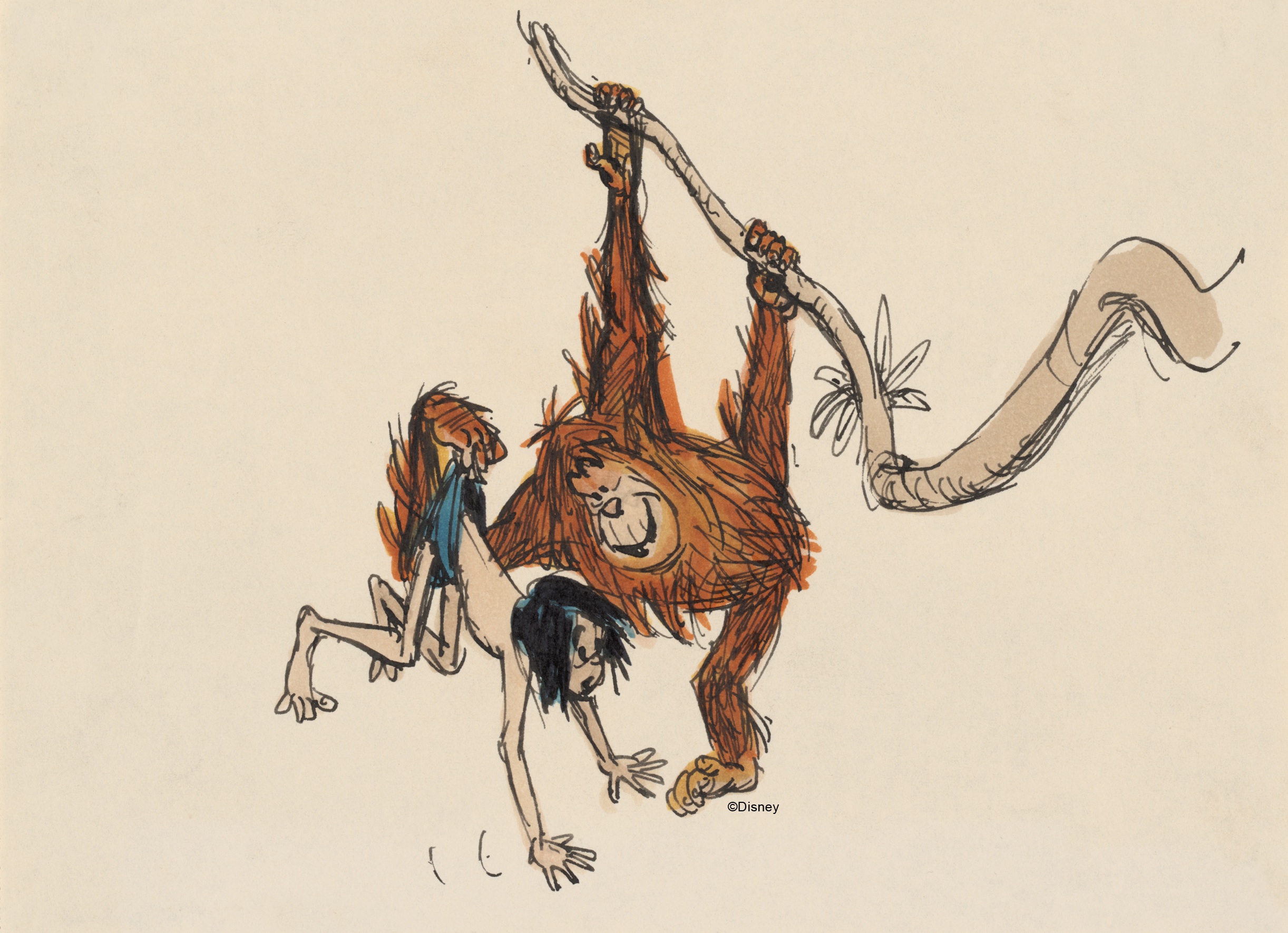
One of the things that makes this movie so popular is that it has some of the all-time great animated characters.Jungle Book DE_Concept Art10

Oh you bet! That is very true.  The characters are really the stars of this film.  Now keep in mind the characters had already been developed by Kipling in his novels and Bill Peet had already taken these same characters Bagheera the panther, Baloo the Bear, Kaa the snake, and Shere Khan the tiger and further developed them for Disney.  In a way we had our work already cut out for us.  The characters were already there.  The personalities were already in place.  All we had to do now as story artists was to take these characters and put them in fun, exciting, and entertaining situations.  So that was our job but as far as the character work, that groundwork had already been laid for us.

Had the actors been cast for the voices?

Many of them had already been cast when I started on the film.  Mowgli had been cast.  Walt had already chosen Phil Harris to be Baloo the bear.  We knew we would be using Sebastian Cabot as Bagheera the panther.  Sterling Holloway was already at the studio because Sterling was there recording “Winnie the Pooh.”  So Walt said, “Hey we’ve got Sterling here, we might as well use him while he is here.” We grabbed Sterling to be the voice of Kaa the snake.  So some of these things had already been done but a lot of them were happening as we were moving ahead on the new film story.

Did you observe bears, panthers, or tigers?  There is a certain amount of animal movement but there is a certain amount of kind of anthropomorphic human movement in these characters.  How do you do that?

That became mainly the job of our animators.  They are the guys who were going to bring these characters to life.  So they are the ones that are going to be truly studying animal movement and behavior.  Guys like Milt Kahl, Frank Thomas, and Ollie Johnson are the guys who are really going to be taking these characters and bringing them to life.  Our job as story tellers was knowing that we already had great Disney animators who were going to take our characters and make them live.  Our job was to basically tell the story.  So in one sense you might say our job was little bit easier in that we didn’t have to go out and go to the zoo and study animals.  We can kind of take a certain amount of license of knowing we are going to have bears, panthers, and lions and the like behave like people.  It made our job a little bit easier that we didn’t think about them so much as animals but as personalities.

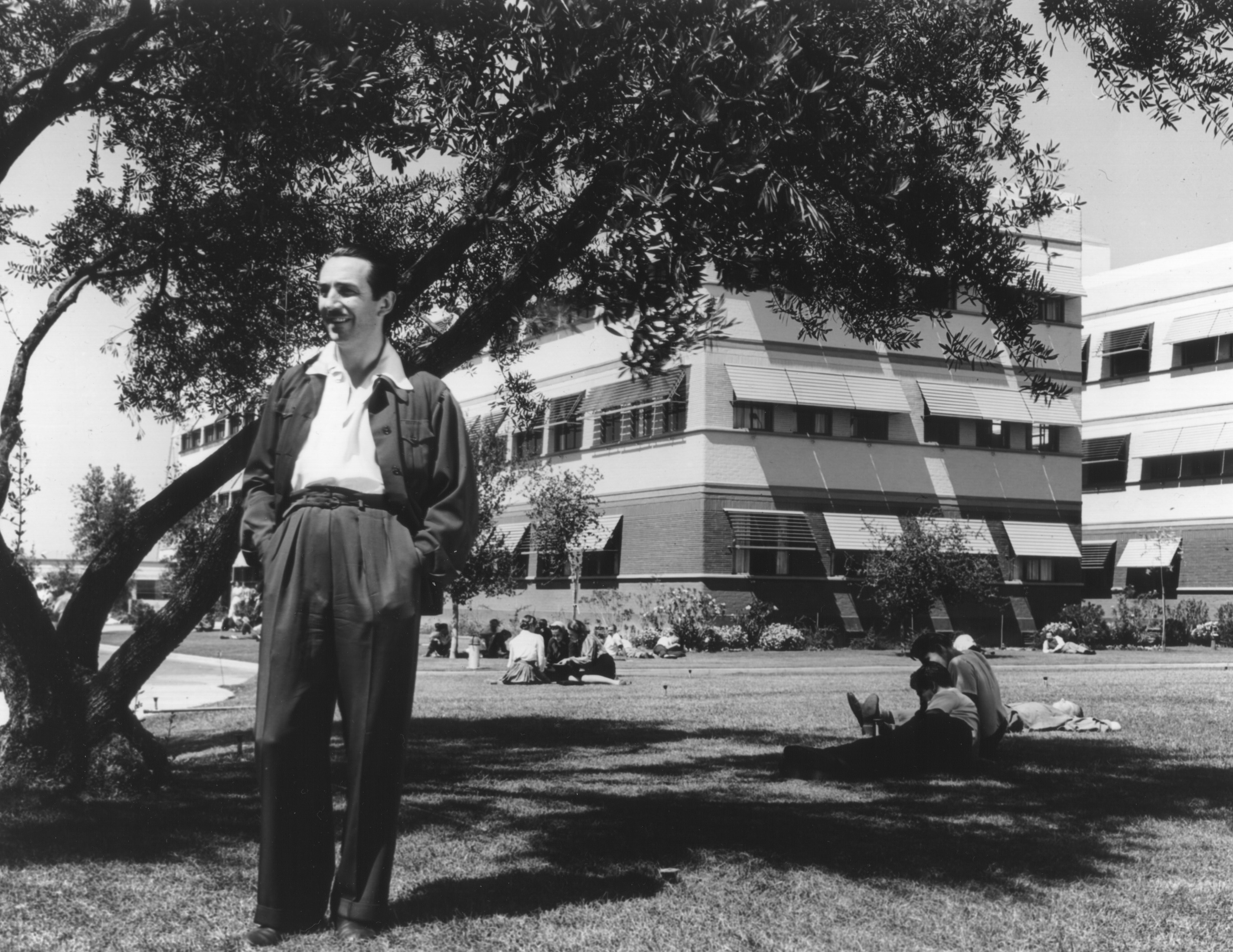
With Kaa the snake however, you really take advantage of the coils and the movement of the snake.Walt & Studio

Kaa was a very shifty sneaky kind of character and Sterling Holloway gave him the perfect voice with his sibilance of a lot of hissing and a lot of “S” sounds perfect for the song “Trust In Me” a good deal of hissing there as well.   So we just had fun with the characters.  We had these marvelous characters and so it was just a great opportunity for a story guys.  Our work could not have been more fun to take these great characters and then just put them through their paces.  In many ways it made our job a lot easier.

I saw on your blog the photograph of the old setup that the animators had back in the 60’s.  The silver thing is like a Lazy Susan turntable?

That is exactly it.  It rotates so the artist doesn’t have to worry about moving his/her body they can simply rotate the disk and have it in any position they need to draw on.  So it was very practical.  It made sense.

Tell me a little bit about what you think the good and bad elements are of the changes in technology and animation.

Well you know that has been a debate that has been going on now for some time.  I think it popped up again this morning.  A bunch of animation fans — we call them animation geeks — started an argument over a statement made by our creative officer John Lasseter and it had to do with hand drawn animation and digital animation. This debate has been going on for the past few years and it is not going to stop any time soon.  Pixar really pushed animation in a whole new direction.  Technology changed animation and I think it changed it forever.  We don’t make films the same way we did in years past and that is why I posted that photo on my blog of the drawing board and the pencil, and the paper.  This is like today ancient history.  We don’t make films like that anymore.  This is not to denigrate that process because that process gave us Disney classics but now we have moved on to a new way of making films.  Technology has moved in and some might say encroached on the process but I think Walt Disney would have welcomed it because Walt Disney was always pushing towards the future and not looking back at the past.  You just move forward, that is all you can do and take advantage of the great new tools that the technology has given us.

Do you have a favorite moment in “The Jungle Book” or favorite song or character?

I could always say my sequence! (Laughter).  The song where the snake sings a lullaby to Mowgli.  He sings, “Trusssst in Me” and he hypnotizes Mowgli.  Well I knew that I could not have the boy just stand there and fall asleep, I wanted to make it fun.  I wanted to make it entertaining and funny.  So what I had Kaa the snake do was sing a lullaby to Mowgli but have him do things in his coils like the coils form a hammock and the kid rocks back and forth in the hammock.  The coils form steps and the kid sleepwalks down the steps and he does other things that are just fun and funny.  Well I had to come up with those ideas because you’ve got to keep things interesting on screen and you have to entertain the audience.

You don’t want to put your audience to sleep.  You want to put Mowgli to sleep but you don’t want to put the audience to sleep so I came up with a lot of interesting little bits where I could get a smile or a laugh and it was just such a pleasure working on this sequence and the recording session with Sterling Holloway because I was there with him when he recorded “Trust In Me” and just to create this great little sequence that was funny back in 1966 but it is still funny today.

My favorite parts are the expression on Mowgli’s face and also when Kaa falls out of the tree.

Oh yea, we had Kaa fall of the tree twice. (Laughter).  Each time complaining about his sacroiliac.

http://www.youtube.com/watch?v=F1ILPl5FQaM

Was the portrayal by Tom Hanks of Walt Disney in “Saving Mr. Banks” pretty much like your experience with him?

Yes.  Yes.  I was simply delighted by Tom’s performance of Walt Disney and I have to remind people that Tom Hanks does not look like Walt Disney.  Tom Hanks does not even sound like Walt Disney but in his performance on screen I felt Mr. Hanks managed to capture the essence of Walt Disney so I thought it was simply a great performance and I loved the film.  I’ve seen it several times.  I like it every time I see it.

When you were growing up what were the images that really excited you?  What were the pictures that really made you think about being somebody who makes pictures yourself?

My grandmother used to take me to the Santa Barbara Art Museum when I was a little kid so I was exposed to art at an early age and got to know the work of the masters.  Even as I grew older they used to have art lessons on Saturday morning at the Santa Barbara art museum and I attended those so I was already headed for a career in art one way or the other.  I just fell in love with drawing and painting and eventually even with storytelling.

You worked with the greatest animators of all time.  Who were some of the ones that really taught you something?

Oh my!  Coming to the Disney studio when I did, believe you me they were masters were still here; that is the people who made the films I saw as a child were still working.  So think of the advantage I had to learn from the best and the brightest and to learn from the top animators, the top background artists, the top story tellers.  They were all here and they were very gracious with their time.  I wrote in my book Animated Life: A Lifetime of tips, tricks, techniques and stories from a Disney Legend that I had a master class in animation simply by being here at Disney; exposed to so much talent, to so much genius, and so many wonderful men and women who took the time to teach us young kids so that we would learn and become better at our craft as well.
Related Tags:


Behind the Scenes Interview

Interviews: “Bitter Party of Five”

Posted on February 9, 2014 at 3:57 pm

bitter-party-of-fiveWhen “Downwardly Mobile,” a Roseanne Barr TV pilot for NBC, didn’t get picked up, the cast created their own show, “Bitter Party of Five,” a very funny (and very adults-only) interview series where five moderately successful actors interview their much more successful friends.  And they’re not happy about it.  The “face looks familiar but I don’t know if I saw them on television or at my kids’ school on parent night” cast is, Jason Antoon (“Minority Report”), Mary Birdsong (“The Descendants”), Greg Cromer (the upcoming Jason Bateman film “Bad Words”), Tricia O’Kelley “(“Secret Life of an American Teenager”), and Romy Rosemont (“Glee”) got together and began their own series “Bitter, Party of Five.”  They sit around a table drinking some pretty potent cocktails and play exaggerated versions of themselves, actors who work pretty steadily and are always trying to get bigger and better parts.  And they have enticed a remarkable assortment of very funny stars to join them, including Alfred Molina, Rachael Harris, Stephen Root, Chris Colfer, Allison Janney, Martha Plimpton, Wayne Knight, Missy Pyle, Martin Short, and Tony Hale, all of whom they pelt with the most outrageous questions.  It was a lot of fun to turn the tables and get them to answer mine.

Who came up with the idea for the web series?

Birdsong: In a sense, NBC did, but unknowingly.  We all met doing a tv pilot for them that starred Roseanne Barr and John Goodman.  And by not picking up that pilot, they left us no choice.  So… thanks NBC.

Cromer: I came up with the idea for the series. They all balked…I pressed…they acquiesced. I win, they lose.

Rosemont: It was a group effort for sure…the germ of the idea was one of our producers Adam Rosenblatt.

Antoon: It was already there before we even met on the set of the failed Roseanne Barr pilot. The idea was waiting for the five of us to be bitter.

O’Kelley: Let’s just say me.

What do you tell your guests to get them to agree to be on the show? 

Birdsong: We tell them that if they DON’T come on the show as a guest, Tricia will cook for them.

Cromer: We don’t tell the guests anything.  We do ask them to watch the show first so that they know what they’re getting themselves into. All they need to do is show up and be ready to roll with whatever goes down.

Rosemont: There will be booze and it will be quick!

Antoon: I say “listen if there is one reason I have been your friend this whole time this favor would be it.”

O’Kelley:  Free booze, and the cast member of your choice will make out with you.

What did it feel like to hold Martha Plimpton’s Emmy?

Birdsong: It felt a lot like chicken.

Cromer: Martha Plimpton’s emmy was cold….and wet…for some reason.

Rosemont: It felt like it had finally found a home….in my hands.

Antoon: It felt important and heavy unlike when I held all my little league trophies as a kid.

O’Kelley: Thrilling. The best 30 seconds of my life.

What are you guys all drinking?

Birdsong: I like to go with a milk-tini® , which is one part skim milk served in a martini glass (no vermouth) and garnished with a chocolate chip cookie.

Cromer: I generally enjoy a nice glass of scotch. Mary guzzles milk-tinis like water. Romy fires down gluten-free water. Triv delights in a nice chardonnay and Jason drinks angry juice.

Rosemont: Anything and everything that gives us a personality.

Antoon: I’m drinking Absinthe in a plastic cup.

O’Kelley: I’m drinking Chardonnay, Greg’s got some scotch, Romy & Jason are enjoying Coke Zero, and Mary’s drinking milk & cookies.

Are you following Alfred Molina’s advice?  Or Allison Janney’s ?

Birdsong: Definitely Fred’s (Unless Allison is reading this.)

Cromer: I follow both, Alfred’s and Janney’s advice. I’ll let you do the math on that one.

Rosemont: Did they give us advice?

Antoon: Neither. Advice from other actors means nothing. Take it from me, don’t listen to other actors.

O’Kelley:  Luckily Allison’s advice actually helps me take Alfred’s advice. So yes. And yes.

Which guest surprised you the most?

Birdsong: Laura Benanti — she rocked it.  Hard.  I’m now her biggest fan.  And by biggest I mean I probably weigh about 220 now.

Cromer: How can I NOT say that Janney surprised me the most? She swallowed my trachea.

Rosemont: All of them….We were just surprised they showed up.

O’Kelley: Laura Benanti. She was so quick and so funny, I thought she should replace me at the round table permanently.

Come on, you can tell me, who was your favorite guest?

Birdsong: Guests?  Listen up.  Mama loves you ALLLLLLLTHE SAME. That said, I did take my top off for Martha Plimpton.  So… ya know.  Do the math.

Cromer: How can I NOT say that my favorite guest was Janney? She swallowed my trachea.

Rosemont: Mary Birdsong… Love her…No wait….Greg Cromer…Couldn’t be funnier….No that’s not right…Tricia O’kelley….She’s pretty…What?…Jason Antoon…He’s down right creepy…Yes, him.

Antoon: My fav would be Laura Benanti because I’m her spirit animal and she’s secretly in love with me.  Not!

Related Tags:


Actors Internet, Gaming, Podcasts, and Apps Interview
THE MOVIE MOM® is a registered trademark of Nell Minow. Use of the mark without express consent from Nell Minow constitutes trademark infringement and unfair competition in violation of federal and state laws. All material © Nell Minow 1995-2026, all rights reserved, and no use or republication is permitted without explicit permission. This site hosts Nell Minow’s Movie Mom® archive, with material that originally appeared on Yahoo! Movies, Beliefnet, and other sources. Much of her new material can be found at Rogerebert.com, Huffington Post, and WheretoWatch. Her books include The Movie Mom’s Guide to Family Movies and 101 Must-See Movie Moments, and she can be heard each week on radio stations across the country.

Website Designed by Max LaZebnik