
Cloverfield
Posted on April 21, 2008 at 11:00 am
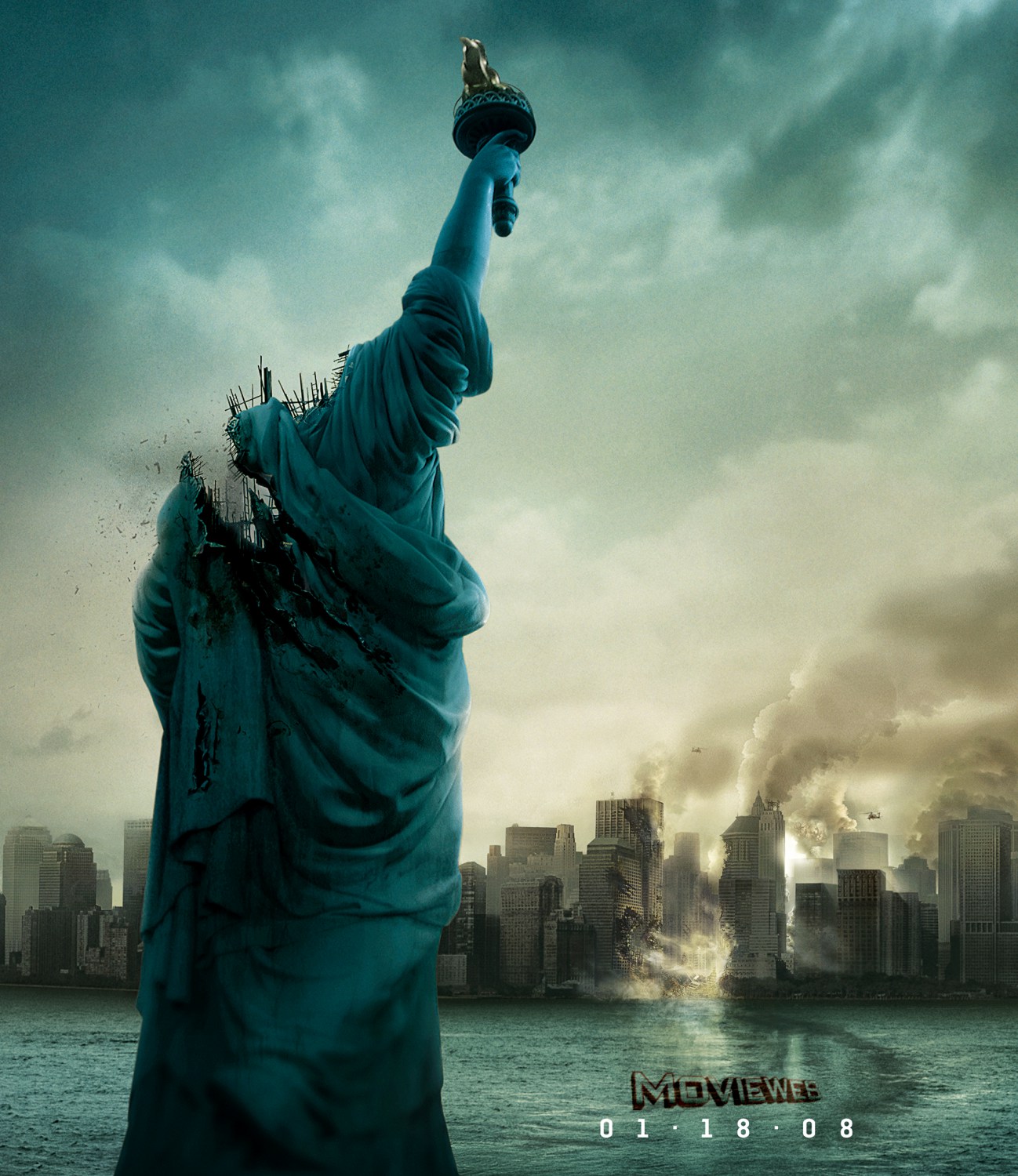 Stories, especially movies, are usually linear and organized in part because stories are how we make sense of the world but mostly because of the limits of time. If we are only going to give two hours of our lives to a movie, we don’t have time for irrelevant details. But real life is messy. Patterns only emerge in retrospect. Part of the appeal of scary movies is that we know that it’s just a movie. Those dinosaurs in Jurassic Park

This movie goes in another direction. A clever premise keeps the audience literally off-balance in “Cloverfield” from J.J. Abrams, the creator of Lost

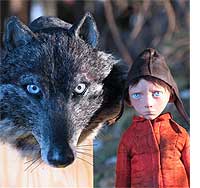 “We were working at a one in five ratio. That’s the normal scale for stop-motion animation. The set was truly enormous. The forest had 1700 trees, each 6 feet high. The set was 80 feet long; it was like going into Wonderland. We also did all the close-ups at 1 in 3 . The grandfather puppet was 3 1/2 feet high. With that size, you get so much more detail. The grandfather’s hands were incredibly detailed which gave it a real different quality and makes it much more real.
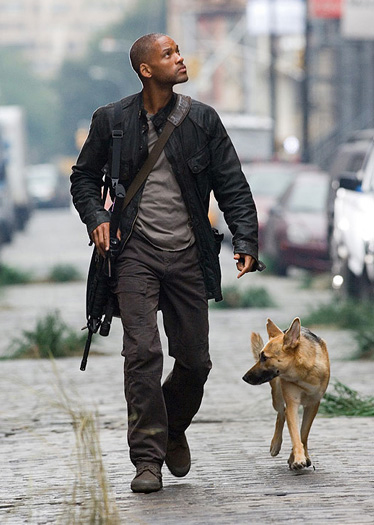 Will Smith plays the last man on earth in this third movie based on Richard Matheson’s
  . Scientist Robert Neville was immune to the virus that wiped out everyone. He spends his days hunting for food in the deserted streets of Manhattan, now overgrown with brush and inhabited by deer, and working in the lab to find a cure for the virus. And he spends his nights barricaded to protect himself from the infected creatures who are hunting him. Once human, they are now mindlessly enraged vampire/zombie killers who can do nothing but devour.