
Happy Diwali!
Posted on November 13, 2012 at 7:51 am
Posted on November 12, 2012 at 6:14 pm
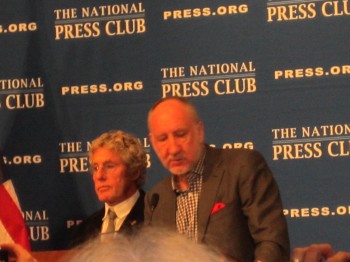 I got to hear The Who’s Roger Daltrey and Pete Townsend speak at the National Press Club today, which saluted them with “Tommy” cookies. They were there on behalf of the Teenage Cancer Trust, a non-profit devoted to improving the way young people with cancer and their families are treated and supported. “There’s a huge gap in the health care system,” Daltrey said. There are facilities for children and adults, but “teenagers don’t want teddy bears.” If businesses, who see teenagers as a lucrative market, recognize that they are unique, so should the medical establishment. They may need the same medicine, but their psychological, emotional, and social needs are different.”They love to be together,” he said. “We try to make their lives as normal as possible.” He told us about touring an impressive hospital facility that was “nicer than some of the hotels we stay in,” with atriums and palm trees. “But I did not see one square foot of space where a teenager could be happy.” A place for parents to stay and get support is also important.
The UK program has led to a 10-15% improvement in survival rates. “If you had a drug that made that kind of difference, they would throw billions at you.”
He hopes to promote a more comprehensive clinical recognition of the unique needs of teenagers, who often receive later diagnoses than they should because doctors are not looking for cancer. Their successful UK program is expanding to the US with the first program at UCLA and conversations underway with other hospitals. Daltrey is deeply involved as a passionate advocate and as a fundraiser, persuading other rock stars to help out by reminding them that “the music business would not exist without teenagers.”
Daltrey and Townsend good-naturedly answered questions about music, though they said performing for the teens in the program was not on the agenda. “We might kill off the rest of the hospital.” Townsend declined to say whether current music was better or worse than the music of the Woodstock era. “‘Classic rock’ is a term made up by radio DJs to sell advertising,” he said. “The continuum is the teen we all carry inside us.”

Posted on November 12, 2012 at 3:59 pm
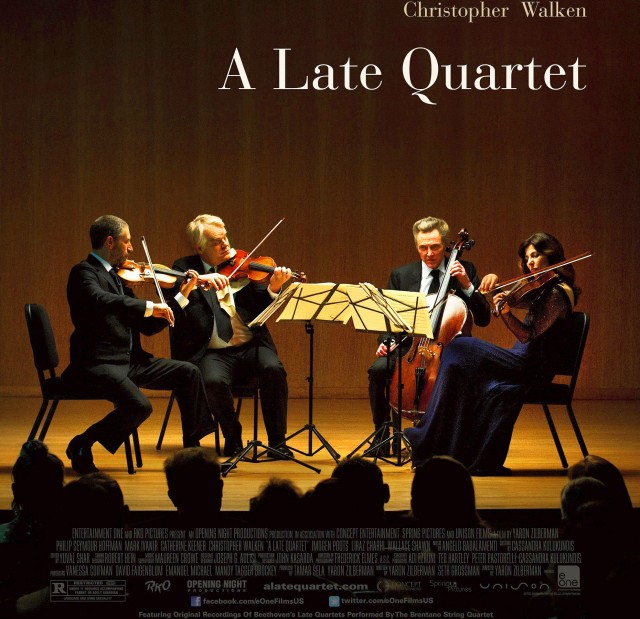 Composer Angelo Badalamenti, who describes his music as bringing “beautiful sadness” to film, was kind enough to answer my questions about his work on “A Late Quartet,” the story of a classical string quartet starring Christopher Walken, Philip Seymour Hoffman, and Catherine Keener.
What are the special challenges of writing a score for a movie about music and musicians?
“A Late Quartet” was certainly a challenging opportunity as a composer. It’s a film about music and musicians, so we had classical music and on-screen performances to consider. Given that, the score needed to serve the drama in key moments, without clashing with the pre-existing music. You have to know where you’re coming from and where you’re going. It’s a challenge that I enjoy.
How does the score work with or contrast with the quartet’s performance pieces featured in the film?
The orchestra we recorded for the score is still quite classical so it doesn’t take you out of the mood of the film. We hear a chamber string ensemble with a woodwind quintet; and harp, classical guitar, etc.. The strings are like a blown-up string quartet with a more diffuse sound and the winds represent the souls of the characters. I also tried to incorporate some motifs that were inspired by the Opus 131. So, the score keeps us grounded within the world of music that the quartet members inhabit.
Does it make a difference in working on a film when the director, Yaron Zilberman, is also the writer?
It’s actually quite helpful. The insight that a writer has is special, and this understanding can be very productive in working with a composer. When we sit together and discuss where to place music (we call this “spotting”) the director may have very specific notes to give.
When you first met to talk about this film, what did you discuss about the mood and the goals for the score?
Yaron and I agreed that the score should emote passion and pain. The characters are beset with a series of hardships which are all very personal. We needed to feel this.
Of the directors and performers you’ve worked with, which one taught you the most?
David Lynch is a creative genius and a dear friend. I’ve learned more from him than any other single person in film, tv, or music. But it’s a great mutual relationship.
How have movie scores changed since you began working on them?
There’s less melody these days. I still write music with a beautiful sadness, and with a memorable theme at its heart. I think that’s a timeless approach.
What movie scores from the movies of the 40’s and 50’s do the best job of telling the story?
Laura is a fantastic score with a single, outstanding theme. Brilliant.
Posted on November 12, 2012 at 10:55 am
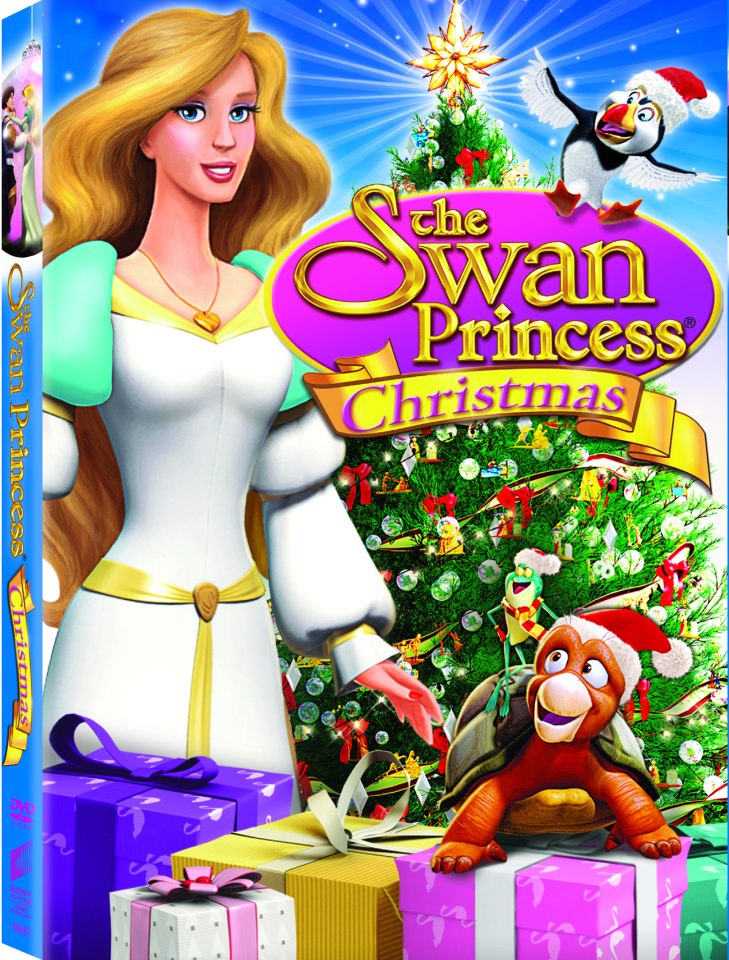
 I am thrilled to have a very special prize to give away — the DVD, CD soundtrack, and plush animal. Send me an email at moviemom@moviemom.com with “Swan Princess” in the title and tell me something you’ll be thankful for on Thanksgiving. Don’t forget your address! (US addresses only) I’ll pick a winner at random on November 17.
Posted on November 12, 2012 at 8:00 am
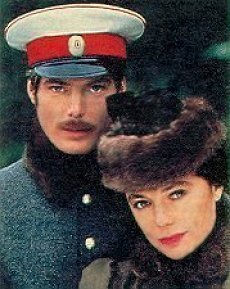 Joe Wright’s “Anna Karenina,” with a screenplay by Tom Stoppard, opens in limited release this week, with Kiera Knightley in the title role as Tolstoy’s tragic heroine who loves not wisely but too well. The novel has one of the most often-quoted opening lines in literature: “Happy families are all alike; every unhappy family is unhappy in its own way.” Not every film adaptation of Anna Karenina is alike, and the new version should inspire audiences to take another look at the earlier films.
The best-known Anna is Greta Garbo


