Interview: Jesse Harlin on Composing for “Mafia III” and “Star Wars: The Old Republic

Posted on August 7, 2016 at 3:49 pm

More from Comic-Con: Jesse Harlin is a freelance composer who has been in the industry now for 17 years, 10 years with Lucasfilm, working on “Star Wars” and “Indiana Jones” games. “I just finished up working on Mafia III for 2K and I’m still working on Star Wars stuff. The way that we handle it is very much like scoring for film or TV in so far as a lot of what we do is about creating themes for characters and then you extrapolate different moods based on those sorts of themes.”

It gets complicated. “There was a period of time where I felt like when I was in college my main instrument was voice and then I certainly felt like for a while my main instrument became Excel. Yes you spend a lot of time in spreadsheets.” He gets started early on, when it may be all he has to go on is some concept art and what he hears from the people working on the game. “We talk to the developers and we figure out what is important to them in terms of what they want, how they want the music to function. And game is such a broad term that it means everything from slot machine, mobile games to extraordinarily cinematic enormous games that take hundreds of hours to complete and they all need music in between. So what a development studio may be looking for may be very different from a slot machine game or soccer game or racing game than what it might be to a very cinematic game. I tend to work on the more cinematic score.”

We’ve come a long way from the tinny one-note songs played in the early Atari games. “As a game composer I have recorded at Abbey Road with the London Symphony orchestra. So there are concert calls across the world where video game music is being performed. It’s not the bleeps and bloops that it was in 1984. I’ve written articles about in the industry about how you should use orchestration to create a signature sound for your game so that it stands out, it doesn’t just become a fairly genetic orchestra or score. And I have a lot of fun. The most recent game I did was Mafia III. It is a convoluted story and it’s set in 1968 in a fictionalized city that’s a New Orleans analog so rather than doing an orchestral score which is what Mafia II and Mafia I had, we did an all blues score and we recorded in Nashville with these just absolutely astounding blues musicians and so it’s got dobro and it’s got upright bass and one of the things that I used a lot is board piano which is a really gorgeous sound because what I was trying to do is score the game cinematically but not with an orchestra. So how do you take traditional blues instruments the kind of things that might play at blues club on a Friday night, how do you take those instruments and made them sound cinematic and dramatic? I was replacing my string section with things like Hammond organ and board piano. I had a blast. And one of the things we did I don’t know if anybody else had done is I brought in three guys who were drum majors from one of the universities in Nashville and they did step dancing body percussion. I really wanted that signature sound. It’s actually getting a vinyl release as well, so it will be on iTunes and it will be on vinyl.”

Harlin prefers scoring games “because I’m totally passionate about interactivity. And the thing that amazes me is that in games as a medium, every person that plays it can experience a different thing than someone else. It can also be extremely personal. Every time you watch a film it’s the same every time for every person who sees it. It’s not always the case with games.
Related Tags:


Composers Internet, Gaming, Podcasts, and Apps Interview
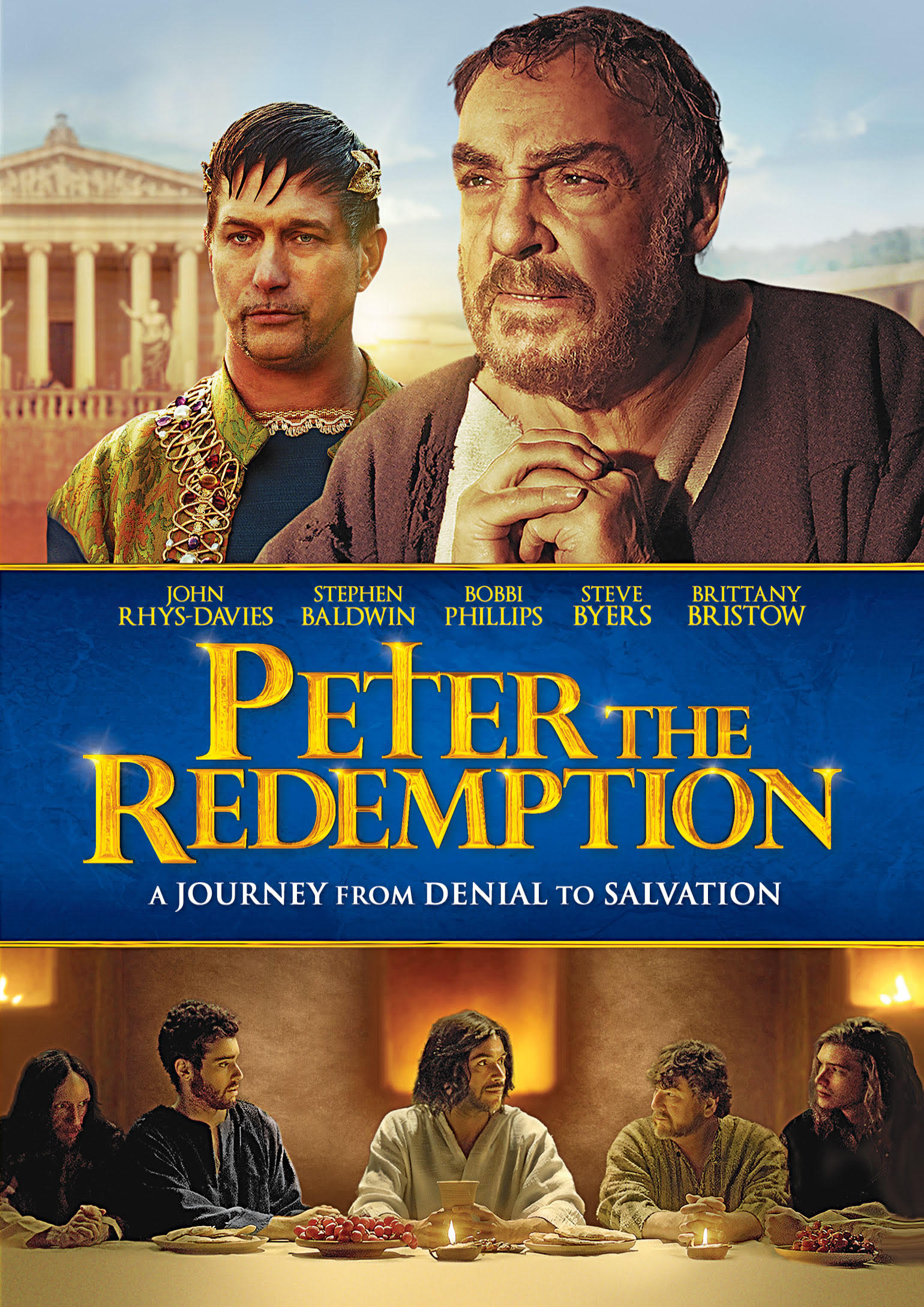
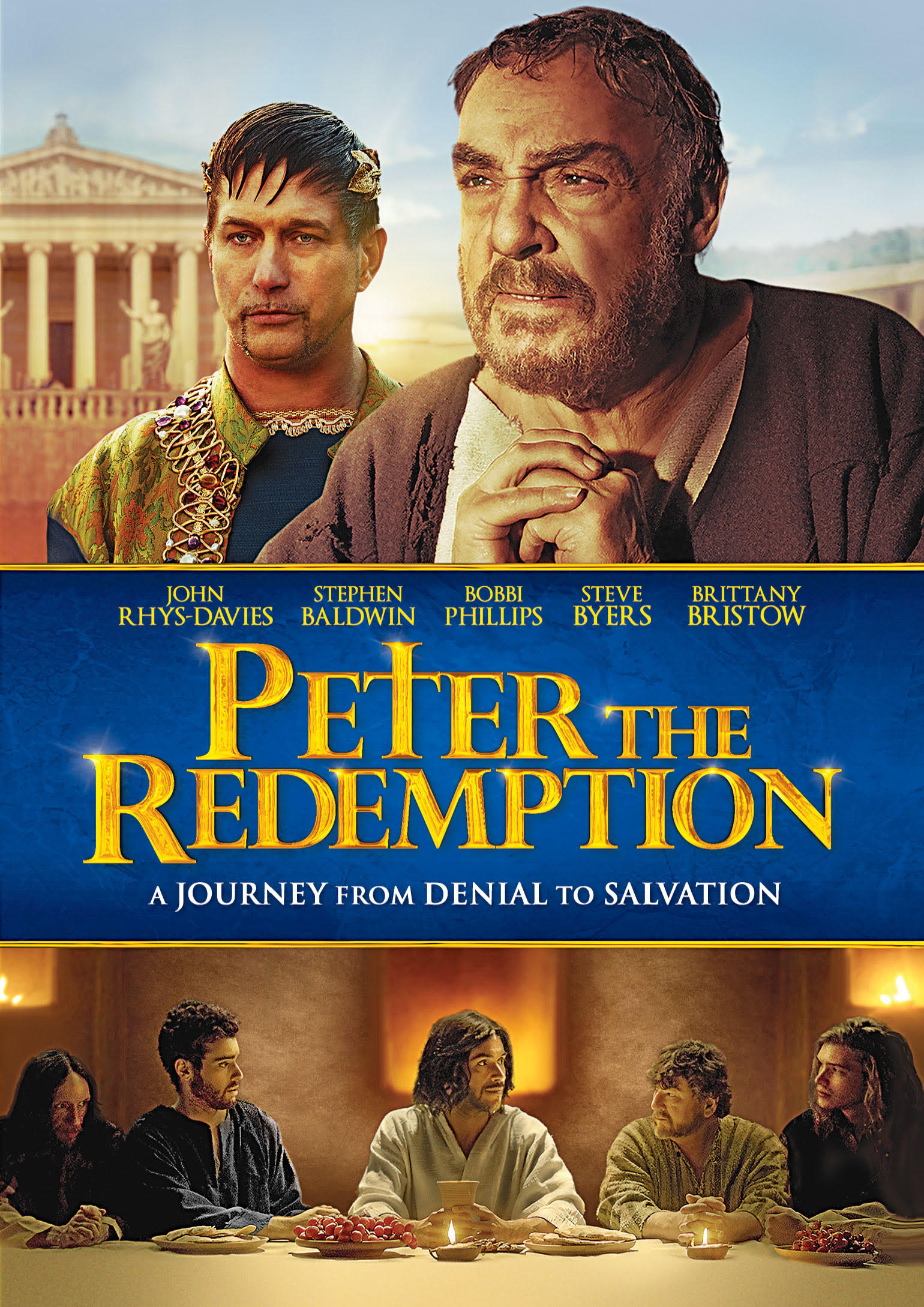
Interview: Leif and Brittany Bristow of “Peter the Redemption”

Interview: Leif and Brittany Bristow of “Peter the Redemption”

Posted on August 5, 2016 at 6:16 pm

Lief Bristow produced and directed “Peter the Redepemption,” the story of the last months in the life of the disciple who denied Jesus before he was crucified but then endured torture and imprisonment rather than deny him again. Stephen Baldwin plays the Emperor Nero and Bristow’s daughter Brittany plays Susanna, a healer, the devoted servant of the Empress, and a secret Christian. I have a copy to give away! Send me an email at moviemom@moviemom.com with Peter in the subject line and tell me one of your heroes. Don’t forget your address! (US addresses only) I’ll pick a winner at random on August 13, 2016.

Copyright Cinedigm 2016

Both Bristows answered my questions about making the film.

What is most important to you in the projects you take on?

BRITTANY – In any of the projects I take on, I look for strength of character development and definite moments of transition and change. I believe that it is so important when portraying someone on screen that you are able to give them a fully formed life. That you know what has lead to the very first moment the audience meets them, to what is happening when they aren’t present. Every person spends their life listening, speaking, reacting, feeling – it is important that the character be developed in a way that allows for that kind of work.

LEIF – I have always looked for character driven scripts which, generally ask to understand the human condition. Characters who must rise above their own personal adversities and become willing to sacrifice their personal wellbeing for the benefit of others. Sometimes this is displayed through youth protagonists willing to protect an animal, sometimes in the case of Peter it is knowing that in the face of extreme adversity, under Nero, death is likely but the importance of sacrifice to give voice and purpose to the followers is a greater calling.

What did Peter learn from his denial of Christ and how did he change?

BRITTANY – Peter learned that in running from your word, you only have your own guilt to live with – but he also recognized that his influence was meant to exist beyond the time of Christ’s death. That he was meant to live longer and be able to teach others how to love and what it meant to be strong.

LEIF – Peter knew that he was to be the Rock and the foundation for which so many followers could depend on. His doubts and fears caused him to deny Christ. I believe of great significance to Peter was, the necessity to atone for this and truly live up to the needs of this very young flock. History tells us that Peter may not have been the gentlest of the Apostles but his relationship with Paul would cause him to again rise up to propel the church through his teachings and kindness. It is a very wonderful moment when Peter in a moment of doubt is lifted by the words of Susanah.

How did Susanna decide she could trust the guard named Martinian?

BRITTANY – Susanna always saw something in Martinian that was unlike the others of the Roman empire. She saw empathy in his eyes and in his soul. The moment he looked in her eyes and told her that her secret was safe with him she knew without a doubt in her mind that he would stay true to his word. She could see his compassion for the situation and watched as he began to see that love is what triumphs, not anger, violence and Hate.

What made Brittany right for this role?

LEIF – We looked at reels from over 30 young actresses, however Brittany possesses an innocence and level of empathy that is evident in her smile and eyes on camera. Too many young actresses focus on having a sultry look for today’s market. Brittany has done challenging leads and shown her capacity to be a leader on set. She has studied with and takes the seriousness of the craft to heart and has the depth of emotional range. The essence of Susannah was easily recognized by everyone when we looked at Brittany’s reel.

What was the director/actor relationship like?

BRITTANY – My dad and I have been very lucky to work on a number of projects together to date. He has directed me 3 times. First in Sophie, then in a show we created together with my mom called Wildlife Quest – a live action wildlife show, which I am the host of, and thirdly in Peter. It can be difficult at times because I know my dad sees potential in me and as a result he pushes me, but I can’t’ think of anything greater than a director seeing what someone is capable and working with them to allow for the best performance possible. It’s a win-win situation. On Sophie – the last day of shooting there were still two heads of departments who didn’t realize we were father and daughter – to me that says a lot.

LEIF – Brittany and I have always had a unique bond and an immense trust in each other. It is always fair to say that we have our moments on set where there is a dad/ daughter moment like when directing a kissing scene. Lol the challenge is really that for Brittany she doesn’t want people to think she gets a role because of me, so the pressure is greater for her. From her discipline as a professionally trained ballerina to having Larry Moss as her acting coach (he is DiCaprio, Helen Hunt and Hilary Swank’s acting coach) Brittany knows the importance of preparedness. It is easy to direct her because she comes to set with every line, each predecessor scene emotional understanding, the intention of the scene at hand and a developed character fully developed and ready to be guided.

Brittany has acted with some great actors like Christopher Plummer, John Rhys-Davies, Debra Kara- Unger, Stephen Baldwin and others and has learned how to graciously and powerfully bring her character to the screen.

What is the best advice you ever got about making films?

BRITTANY – No matter what is happening, don’t jeopardize the work that goes in – stay true to your artistry, your gut and your work ethic.

LEIF – It was more about the advice I received as an actor when I was young. If you aren’t willing to commit fully to the project and make it the best it can be then you have cheated yourself and the audience.
Film is the only medium in the world in which everyone who is involved gets to have their name forever etched on the final product. As a director, I am fortunate to be the person who steers the ship during production and till delivery. My greatest resource is all the people who come to give the best they know how to every day and collaborate to help elevate the project even beyond what I might have imagined.

What themes from this story are more compelling for modern audiences?

BRITTANY – I think the theme of love and compassion are the themes that draw an audience in and keep them enthralled. There’s a bad guy, action and a love story – what more could an audience want?

LEIF – Think Brittany said it well. Empathy is a timeless quality. In a world so filled with hatred at the moment and so many people of different faiths being murdered, becoming refugees and trying to survive, this 2000 year old story is completely relevant today. In the face of complete disparity there are those who find a positive moment or a way in which to sacrifice of themselves to assist and lift up the strangers around them. The simple acts of Love, Charity and Empathy are needed now more than ever.

Related Tags:


Actors Contests and Giveaways Directors Interview
Interview: Sebastian Evans, Composer of “Teenage Mutant Ninja Turtles”

Interview: Sebastian Evans, Composer of “Teenage Mutant Ninja Turtles”

Posted on August 4, 2016 at 3:55 pm

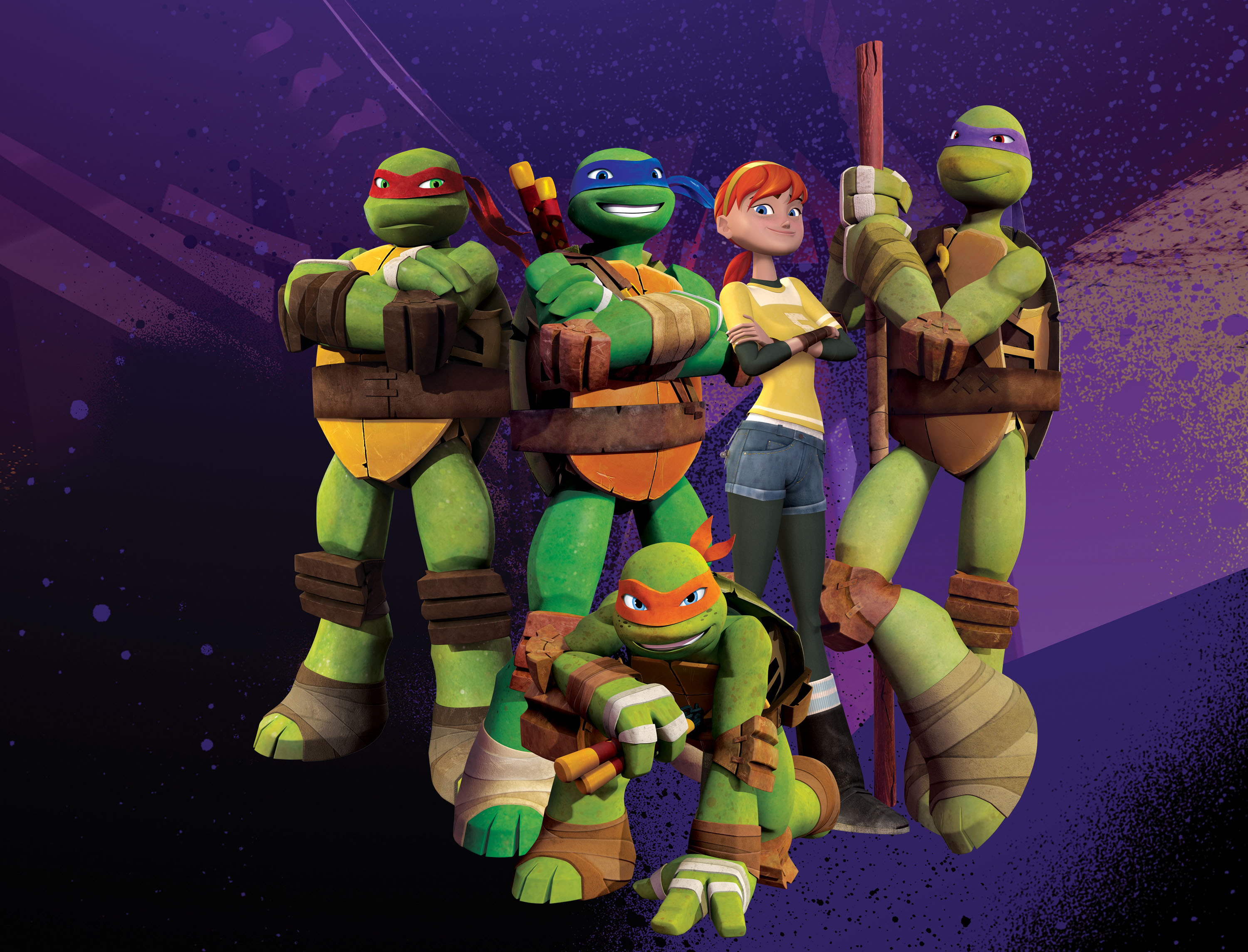
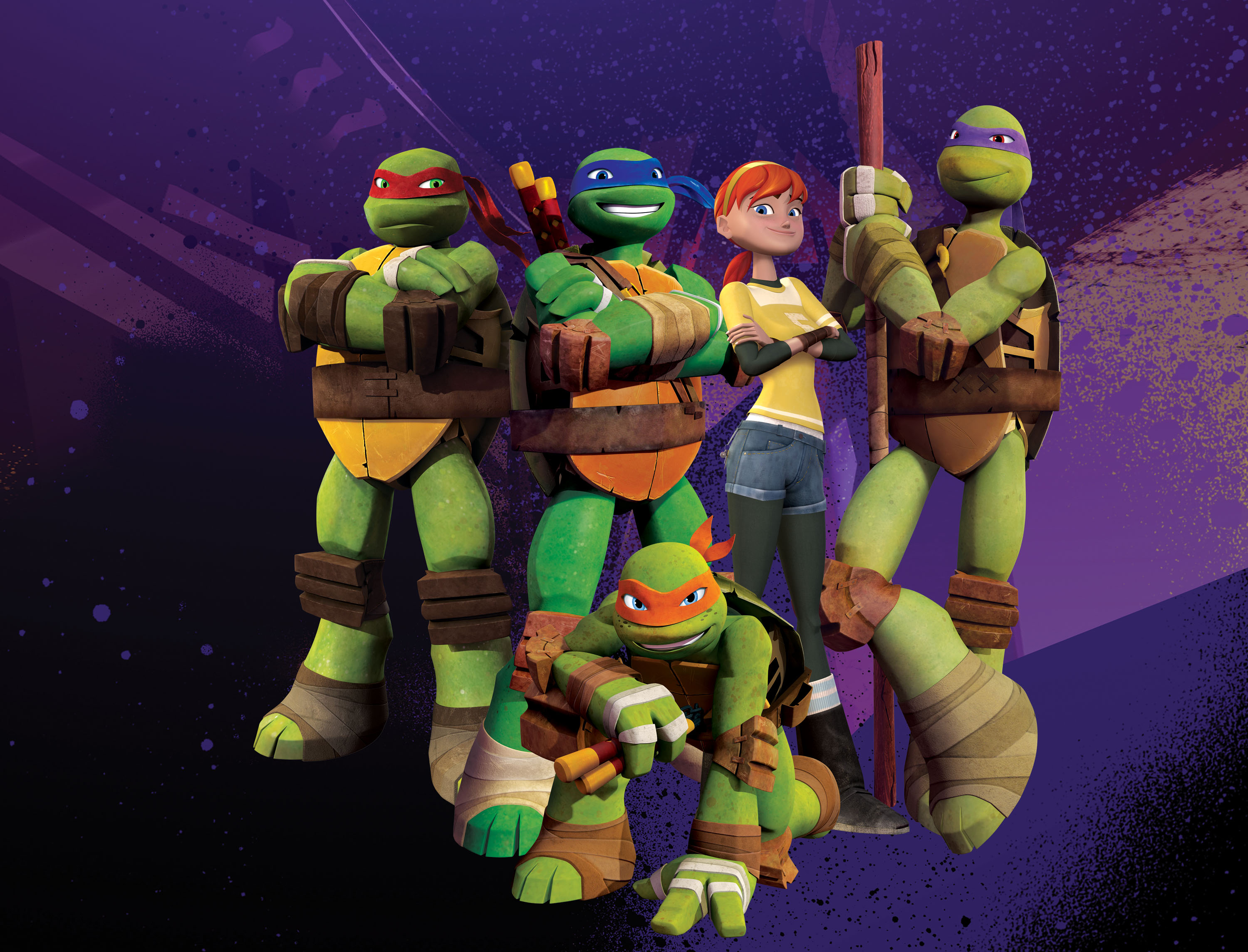
Pictured: Raphael (red mask), Leonardo (blue mask), April (red hair), Donatello (purple mask) and Michelangelo (orange mask), in TEENAGE MUTANT NINJA TURTLES on Nickelodeon. Photo: Nickelodeon. ©2012 Viacom, International, Inc. All Rights Reserved
©2012 Viacom, International, Inc. All Rights Reserved

Sebastian Evans is the composer whose music instantly puts kids in the world of the Teenage Mutant Ninja Turtles, with enough of the original melody to be familiar to parents who grew up with the heroes on the half-shell but enough that is new to match the fresh and exciting updates in the series and feel contemporary for today’s kids. In an interview, Evans spoke about his earliest memories of playing music and which movie composers he admires the most.

Where did you grow up and what was the first instrument you played?

Most of my early childhood was spent in the Bay Area/Alameda County part of Northern California. Though I lived in Hayward, I suppose I spent most of my time in Oakland and San Leandro. When I was 10, my family moved to Vacaville.

My parents would say the first instrument I played was drums. In the kitchen. Using wooden spoons for drum sticks and pots and pans for drums. For hours on end. I don’t remember that so I must have been really young. But if that doesn’t count, it would have to be a “Casio SK-8 keyboard” that I got when I was around 7 or 8 years old for Christmas. It had some kind of click-in hard drive pack that could record and playback what you played. It also had a training mode where you could follow along as it played songs. I think my parents were surprised at how dedicated I was to learning how to play the songs it came with as well as making up stuff and recording it. I also wouldn’t go anywhere without it.

How is composing for TV and film different from writing a song?

Copyright 2016 Sebastian Evans

I believe that writing a song is just a form of self-expression at its core. A song, or even an album for that matter, is all about what I feel, what I think, what concerns ME, etc. Or what makes US happy or sad if it’s a band or group. Writing a song is a bit one sided as far as perspective goes by nature. When I write music for TV or film its not just self-expression. I think a composer’s job is to convey those aspects of the human condition in characters and environments made up out of thin air. I’m trying to convey moods, tone and emotions from multiple perspectives. There’s a little more “extrospection” required. I should be clear that music is just one form of art out of many working in concert to achieve that purpose. I believe that my self-reflections on my own emotions from past experiences inform those perspectives so that’s where the self-expression comes into play but it is different even if it’s just a slight difference.

At what point in the production do you get involved and what does the director give you by way of guidance?

I usually have an initial meeting with the producer and the director about 2 or 3 months prior to post production. When we get a little closer to a locked picture of an episode that’s when I usually have an in depth discussion with the director about what’s needed. Every director I’ve worked with is different. Some want to hear your thoughts on how you’d approach the project and go from there. Other times a director will have a pretty solid idea on what is needed musically and then the process starts from trying to realize that idea. Some are a hybrid of both. For me, the director is the most important creative person on a project because that is the only person that has an all-encompassing vision of the project. How I approach any project always starts with the director.

How does the theme for the new TMNT echo the original series and what did you do to make it fresh?

Well, minus the melody, the chorus is pretty much the same. I will say that it was a significant challenge to create a new version of something that has been a constant earworm since childhood. So when Nickelodeon requested I take a stab at remaking it I was initially at a lost. But one day I was driving somewhere with my iTunes library blasting on random when “Intergalactic” by the Beastie Boys came on. I had an “ah ha!” moment. I’ll make it a rap! After that epiphany the theme came very quickly and easily. It’s a fun hip hop song with a super hero-ish undertone.

Which is your favorite turtle and why?

It’s always been Donatello. I’ve always identified aspects of other characters I like in him. He’s R2-D2-like in his focus and resourcefulness. He’s Batman-like in his detective-like attention to detail as well as his intelligence and ability to create tools to give the turtles an edge over the enemy. He’s Clark Kent-like in his awkwardness and sincerity when interacting with others. Also, he’s just a genius!

How is writing for series aimed at kids different from writing for edgier series designed for adult audiences?

Well, full disclosure: I have not yet had the chance to write for a series geared towards adult audiences. But I would imagine that the score for an adult show would be far more subtle and intricate. Most animated shows aimed at a younger audience utilize music as well as sound effects more conspicuously to embellish visual aspects of a scene in order to obtain the same sense of realism you get while watching a filmed show. Though the voice actors are always amazing, the facial expressions and body language of the characters are created at a different time. So music and sound is also leaned on to re-assemble the voice actors performance with the visual artists’ interpretation. For the most part, scores for adult shows are understated. You’re really going for a more visceral connection with the audience. At least until the army invades or a building blows up.

Do you ever bring in unusual instruments or sounds?

Yeah. Sometimes you need different tools to get across what you want. In the second season of TMNT I used a theremin for the Dimension X theme. I really wanted to bring that 50’s sci-fi horror/Mars Attacks vibe to it. The sound of the theremin carries those connotations with it and fit perfectly with what I was trying to convey.

Do you have a favorite classic movie score or composer?

Michael Nyman’s score for “The Piano” has to be my favorite score. I can’t say I have one favorite composer. Thomas Newman, Nobuo Uematsu, Jon Brion, Edvard Grieg, Danny Elfman, Peter Tchaikovsky, Jeff Beal, Bernard Herrmann. John Williams, of course. I’m a big fan of Michael Giacchino who’s doing amazing things right now. I’m sure that list would change slightly depending on what day I was asked.

If you could compose for any movie, would you pick sci-fi, action/adventure, comedy, or drama?

If I were to think practically, I’d say drama. It’s what comes to me naturally and it’s what I feel most at my core. But I’d love to create a huge epic score for an awesome sci-fi or fantasy movie or series.

Related Tags:


Composers Interview
Interview: Mike Birbiglia and Gillian Jacobs of “Don’t Think Twice”

Interview: Mike Birbiglia and Gillian Jacobs of “Don’t Think Twice”

Posted on August 2, 2016 at 3:51 pm

Copyright 2016 The Film Arcade

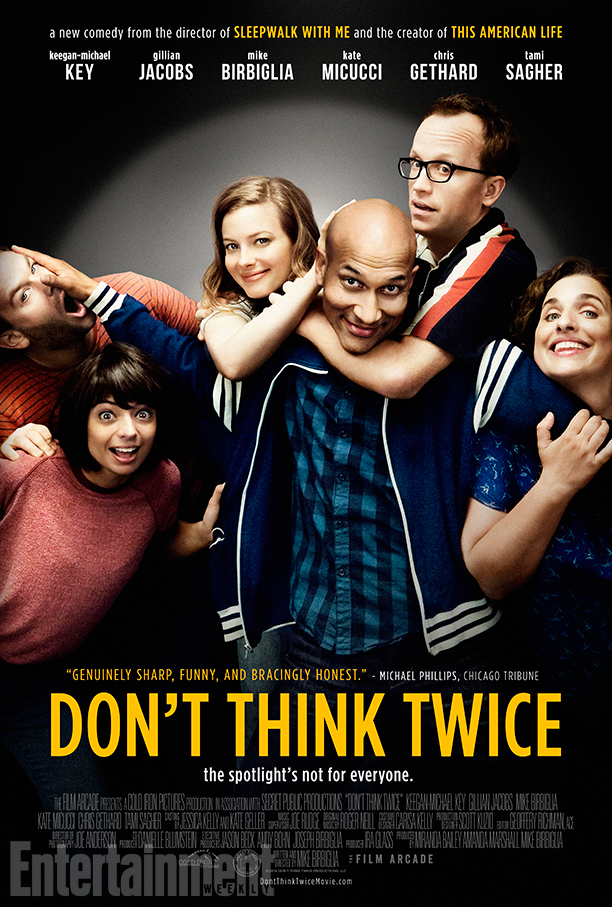
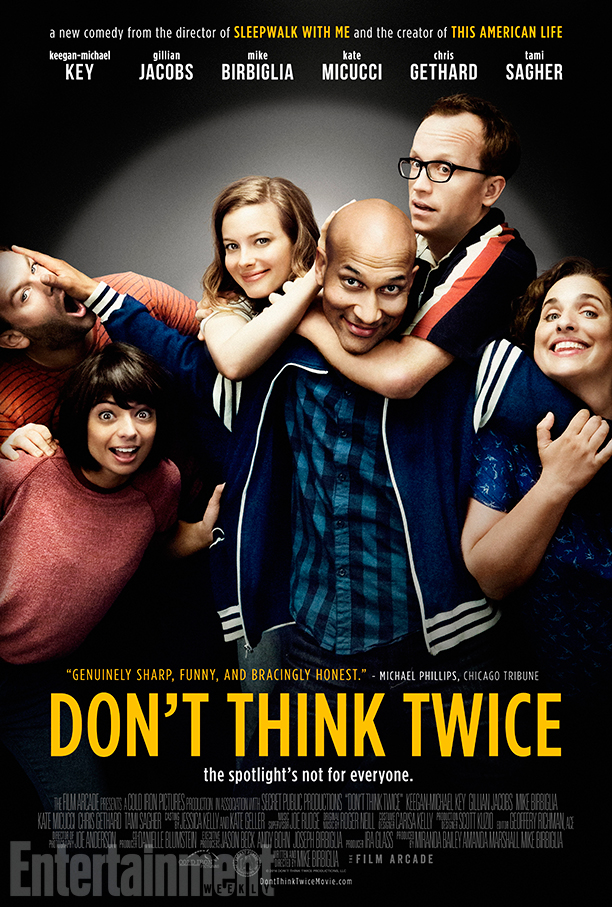
Writer/director/star Mike Birbiglia calls his new film, “Don’t Think Twice,” “The Big Chill” of improv. Like the all-star 80’s classic, it is a bittersweet and often funny story of the stresses old friends face as the hopefulness and sense of endless possibilities of their 20’s hits the reality of their 30’s.  Keegan-Michael Key plays one member of a small improv group called “The Commune.”  When he gets a chance for breakthrough success on a “Saturday Night Live”-type comedy series, it forces the rest of the group to think about what matters to them and whether they will be able to achieve their dreams.

Birbiglia and co-star Gillian Jacobs spoke about the film in an interview.

The Commune leads off their show by asking the audience who had the worst day and using the details of their story to provide the premise for improvising a scene. Where does that come from?

MB: I do an improv show in New York called Mike Birbiglia’s Dream at the UCB Theater. I came up with that prompt one day as an idea because I feel like we can prove in real time the old trope that comedy is tragedy plus time. We had one the other night at the Del Close Marathon where a girl, 19 years old, said. ‘I just realized that my dad was cheating on my mom with prostitutes because we share an iCloud account.’ And so we were all empathetic and sympathetic and trying to create scenes that were respectful of that but also were comedic scenes and it was hard. For about 15 minutes there were not a lot of laughs at all and then eventually we found the laughter, and she found the laughter. Tammy who plays Lindsay in the film, was in that show. She called me the next day and she said, “Wow! That show yesterday, that was wild.The woman who made the suggestion thanked you on Twitter so you should respond.” That was really rewarding. We have to fund that hinge point, that pivot point.

GJ: I remember one show we did at UCB during rehearsals. Someone told us about his friend who had died recently and he was a very young man. For the first couple minutes there was nothing funny but then you realize, “Well, we’re not documentarians.” You’re not telling the story of that person’s life. You’re using that situation as an inspiration. Once people give themselves permission to let themselves be free to associate around any detail in the story, some absurd coincidence or detail about it, and build from there, maybe rather than tackling trying to make raw pain funny then you can sort of laugh around the incident as well.

MB: But also like in the film the scene where something happens to Bill’s dad and they are driving home and they are joking about it is an example of how with friends you can joke about things that are really sad and have it be cathartic. And I think that that can happen in theater also, I think it can happen in film also. You can express love by calling out the truth out of the situation as opposed to dancing around it.

Because The Commune is built on teamwork — the last thing they say to each other before going on stage is “I’ve got your back” — the struggle with feelings of jealousy and competition is especially painful.

MB: I wrote this thing on my wall early in the writing process: ‘Art is socialism but life is capitalism.’ It’s not in the film because it would be too on the nose. One of the guiding principles in the film is that in a lot of ways what you do with the group you’re collaborating with is more idealistic than the actuality.

GJ: I don’t come from an improv background but I really relate to the story in other ways. I went to Juilliard and in your third and fourth years of school there, agents and casting directors and managers start to come and it is really kind of what happens in this movie where some people start getting a lot of appointments and other people don’t. You try to sort of keep it quiet but they would put these yellow envelopes on the board and everybody knew that that was a meeting request and it would start to shift the dynamics because up until then it’s all about the group and much like the improv world. But then you realize you are all about to be set forth into the commercial world of this business and not everybody’s going to have the same career and even if somebody is deemed more talented within the confines of the school it doesn’t mean they’re going to have the most successful career. So I’ve just now start to remember how that starts to affect all of your dynamic. After you do a showcase for agency managers and casting directors and you get this folder and some people had a folder that was thick and some people had a folder that was thin. And there’s no fairness to it because it’s not a fair business.

MB: In a lot of ways, that’s what this movie is about. Life is unfair and improv is a great metaphor of that. My wife said that when she saw my improv group one, “It’s funny that everyone’s equal on stage but offstage that person is a movie star, that person is on “Saturday Night Live,” that person lives on an air mattress in Queens in a one bedroom with five dudes. And I thought that really hit me hard, I was like, “Yes, that’s a movie,” that’s a nice tension to explore.

What the difference between what makes somebody good at improv versus what makes them good at a more structured traditional theater performance?

GJ: I think in theater it demands that you say the same words every night and make it feel fresh and new. Improv demands that you be operating at the highest level of your creativity intelligence. So these two skills are both very important but I’ve seen people who are very skilled at one area struggle with the other. Either improvisers feel constrained by having to say the same thing over and over again or people who are really good at doing scripted work feel intimidated and exposed doing improvisation.

MB: You’ve got to remember that improvisers are writers and actors and directors all simultaneously. That’s what’s happening in real time because you’re writing on your feet, and you are acting out the words and you are directing what the staging is. You’re deciding what staging is. When I’m taking the subway to my improv shows I will be writing in my notebook different actions that I see people doing on the train whether it’s eating yogurt or looking at where their stop is, or tripping or holding a baby. It’s not preparing scenes and ideas as much as it is stoking your brain to think observantly. Just to place observations in your head, so that they are available somewhere.

Why is ‘yes and’ such an important part of improv?

GJ: Without agreement you just have people arguing. I think that it is important to establish a world of place for the characters in improv and there is nothing to be gained from disagreeing about that. So you have to establish the principle that if some person establishes one thing we’re all going to go along with it and that we are all building from it. Also it is important to stop being critical and judging ideas as good or bad because I think if somebody doesn’t have a lot of experience you worry their idea is going to be bad, it’s not going to be good enough, if not going to be active enough and so you can start to think critically about people’s suggestions or what they bring to it but once you get out of that and think whatever they come up with is the right thing right now and so I’m just going to build on it just makes everything so much easier and better. But I think we are used to being critical and evaluating ideas.

MB: And our fear leads us to say no all the time.

GJ: Or you came up with an idea and you can’t let it go because you think your idea is the right one and the good one. You thought you were coming in as a duck, you thought it was very clever that you were a duck, and they thought that you are a dog and now you are a dog. And now you are dog and it’s better that you are a dog. I also have learned as an actor, this ties in the principles of improv, sometimes someone gives a piece of instruction and my first reaction is “I don’t want to do that.” I’ve always learned that every time I just say yes and go for it something happens. Whether it’s what the intent of the direction was or not or something new happens. It’s just remaining open to other people’s ideas. And I think Keegan-Michael Key is in such a playful open place as a performer that he makes it fun to come along for the ride.

Related Tags:


Actors Directors Interview Writers

Interview: Clay Tweel on the Steve Gleason/ALS Documentary

Posted on July 28, 2016 at 8:00 am

Clay Tweel was presented with hours of footage prepared by football star Steve Gleason and his family and was challenged to make it into a feature film documentary about Gleason’s struggle with ALS, known as Lou Gehrig’s disease.   He had been a New Orleans Saints defensive back who won the hearts of the community with by blocking a punt to win the game in the team’s first time back on the field following Hurricane Katrina.  It was a welcome symbol of resilience for the city and a signal to the world.

He faced a more daunting personal challenge when he was diagnosed with ALS.  Six weeks later, his wife Michel learned she was pregnant.  Steve began to record what would amount to more than 1300 hours of videos while he could still talk and move for his son to watch when he got older.  That was what Tweel had to start with when he made the new documentary “Gleason.” In an interview, he talked about what it was like to try to tell this story honestly with new footage and the most compelling of what Steve had recorded.

“For the first three or four years it was pretty much under Steve’s purview to come up with the content for this movie. So he was recording videos for Rivers his son and also he had a couple of guys who came on to help him film when he would no longer do so because of his loss of motor skills. These two guys, Ty Minton-Small and David Lee, who became part of the family and caretakers and babysitters, they are the reason that the footage is so intimate and personal. So it was such a great thing to have Steve who was thinking like a filmmaker, who is framing up shots and is drawing on these trips and adventures to Alaska and shooting sunsets and car ride. He became very passionate about documenting his life, whether it’s for Rivers or eventually for the world to see. So I feel like I got pretty lucky in coming aboard the project when they were about three or four years in, there was all this great footage captured by the team already.”

Tweel acknowledges that the film had “excruciating moments” as Steve’s abilities became more and more diminished and had to allow others to take care of him. “Those excruciating moments were mostly shot by them. My job was to come in and distill the story down to find the through lines to this giant amount of footage and keep it compelling. And so we did have to go back and film a few sit down interviews to tie them in together because in those four years of filming and no one ever really asked, ‘What’s happening?’ or ‘How do you feel about it?’ So we had to go back and add a little context. But we tried to keep that to a minimum and really leave the the experience the film as in the moment and verite style as possible.”

The progress of the disease dictated a chronological approach. “ALS is a degenerative disease and so we felt like it was important to keep pretty tightly to the chronology because if you show Steve in a wheelchair and the next scene he’s standing up it’s going to not really jibe and it’s going throw people off and be distracting. So we held to a pretty strict timeline of keeping the footage in chronological order, so that gave us somewhat of a restriction or a box to play in and then in sequencing out what were the kind of strongest moments in the footage. So the story kind of revealed itself. The father and son storyline was very strong, and then what was a great surprise to me was I actually found these moments that were really amazing between Steve and Michel. We get to delve into her role through this whole thing which I really personally enjoyed because with all the focus on Steve, Michel doesn’t get highlighted that much. It was an interesting way to show a further background to their journey. She is more than any documentarian could ever ask for in terms of someone who wears their heart on their sleeve and is completely open and honest. We really have to first and foremost take our hats off to Steve and Michel for being as vulnerable and open and honest as they were and allowing us to tell the story that is this personal and intimate. So Michel, she pulled no punches, she held nothing back and it really made for some compelling footage.”

One of the hardest scenes to watch is when Steve, by then talking through a computer like Stephen Hawking, tells the exhausted Michel how devastating it is for him when he does not get his “Rivers Sandwich” kiss goodnight. It is painfully intimate to hear that argument with a mechanical voice that does not express the feeling of the words. “That was Ty and David. They were filming but if you notice at a certain point in that scene it was kind of tense and they just left the room. But they left the cameras on. I loved that scene. That’s one of Michel’s favorite scenes as well because she’s like, ‘That night I was so tired that I just could barely keep functioning.’ What I love about it is, yes, it’s a scene between a caretaker and a patient but it is also just a fight between a married couple and it’s done in such a raw way that I feel like any married couple can relate to that kind of conversation where one person is sick of dealing with something and doesn’t really want to talk about it and other person does. So hopefully there are lots of moments in the movie that go beyond the experience of ALS patients.”

At one point in the film, words on the screen tell us that almost all ALS patients choose not to get a breathing tube, meaning that when they can no longer breathe on their own they decide to stop medical treatment and they die. But Steve chose to continue. “One of the more powerful sentiments certainly in the movie is that issue with mortality and the will to live. There was really no discussions on camera of Steve and Michel talking about that but I think at that point Steve had discussed it and decided that he wanted to try to continue to live for as long as he could to be a part of his family’s life. So being around for his son was paramount to him and whatever he could do to be there he was going to try it. And it was a risky surgery and it worked out he hasn’t had too many complications with it so it seem like he is going to be able to, if things go well and he can avoid infection, be around hopefully for a good long while to get to know Rivers even more.”

There are two important father-son relationships in the film. We also see Steve and his own father struggle over their different views about God, and how important it is to Steve that his father accept him even though they disagree. Michel’s warm and understanding relationship with her own father provides contrast. “There are so many things that the film says about fathers. I think one of the more interesting sentiments along that dramatic thread is this idea of passing yourself on to the next generation. There is an interesting dichotomy between what Steve’s dad said in one scene where he is talking about generational sin, you know that you pass on your flaws to the next generation, whereas Steve at the end of the movie says that you passed on the best part of yourself. I think that you get the good and the bad and that is important to know I guess as an overarching statement. It is important to know where you come from because that is a part of what you are for the rest of your life.”

Related Tags:


Directors Documentary Interview
THE MOVIE MOM® is a registered trademark of Nell Minow. Use of the mark without express consent from Nell Minow constitutes trademark infringement and unfair competition in violation of federal and state laws. All material © Nell Minow 1995-2026, all rights reserved, and no use or republication is permitted without explicit permission. This site hosts Nell Minow’s Movie Mom® archive, with material that originally appeared on Yahoo! Movies, Beliefnet, and other sources. Much of her new material can be found at Rogerebert.com, Huffington Post, and WheretoWatch. Her books include The Movie Mom’s Guide to Family Movies and 101 Must-See Movie Moments, and she can be heard each week on radio stations across the country.

Website Designed by Max LaZebnik