The DVD includes gently animated and beautifully narrated versions of four books about important figures in black history.
Duke Ellington Forest Whitaker reads this tribute to one of the 20th century’s most celebrated and influential musicians.
Ellington Was Not a Street Phylicia Rashad reads Ntozake Shange’s story about growing up amidst many of the great figures of African-American history.
Ella Fitzgerald: The Tale of a Vocal Virtuosa She had an exquisite voice and unsurpassed musicianship to use it like a jazz instrument. Billy Dee Williams tells the story of how she got her sound.
John Henry Samuel L. Jackson reads the story based on the famous legend and folk ballad about the hammer-driving man who could beat anyone, even the machine.
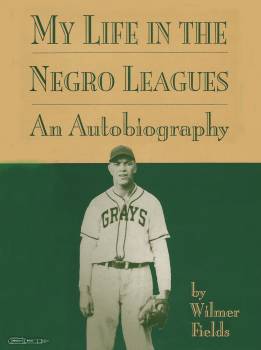
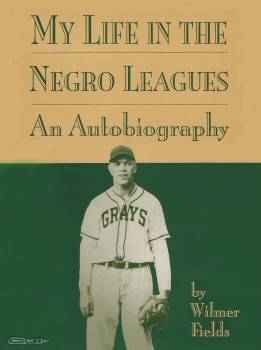
Wilmer Fields was a superstar in the Negro Leagues, back when baseball was segregated. After Jackie Robinson broke the color line (as shown in the hit film, “42”), Fields received five different offers to join white teams. But he loved the Negro Leagues and never left. After his retirement, he fought to get the Negro League players covered by Major League Baseball’s pension and health care benefits. This new edition of Fields’ memoir, with an introduction by baseball historian John Holway, features a new interview with Fields’ son, Billy, who had his own professional sports career in basketball. Fields tells the story of the “dream come true” that “allowed a black country boy” from Virginia to play the game he loved with teammates he admired and trusted. Fields tells his story, from college football to military service in WWII to hitting .427 in 1956 and being honored as one of the “Black legends of baseball” in 1990. He writes about players like the legendary Josh Gibson and Sam Hairston, who became a White Sox manager. He writes about the game itself, the qualities that make a team and the dedication that makes a world-class athlete.
They say all clowns want to play Hamlet, and often they turn out to be outstanding dramatic actors, from Mickey Rooney to Robin Williams. But it does not always work the other way. Dramatic performers want to be clowns. Robert De Niro is one of the greatest actors in the world and he can be very funny (“Analyze This,” “Midnight Run,” “Silver Linings Playbook”). He does not always choose the best material (“Dirty Grandpa”), but like his fellow Oscar winners Tom Hanks and Sally Field, that doesn’t mean he can play the part of a stand-up comic. It is generally understood that stand-up comedy is the most difficult and terrifying of all in show business professions because they go out on stage with nothing but their ideas and a microphone — no script, no other performers, no sets, no music — just the comic and his or her ideas, and an audience expecting to be amused. Comic and comedy writer Dylan Brody told me that stand-up comics who want to be on television have to be able to deliver four laughs a minute.
In “The Comedian,” De Niro plays Jackie, an “insult comic,” whose humor is based on his ability to fire off quick, punchy, provocative responses to the people around him, to be outrageous by saying what people might think but would never admit to. Jackie was once the star of a popular “Honeymooners”-style television show and is constantly annoyed when fans of the show ask him to repeat his character’s catch phrase.
The problem is that Jackie is never as funny as the movie thinks he is and needs him to be. De Niro makes us see Jackie’s frustration at constantly being confronted with having his most popular work over long ago and not something he was especially proud of even at the time. (See Ricky Gervais in “Extras” for a much better exploration of this theme.) But when it gets to the crucial moments of his performances, he never gets the rhythm of the jokes or shows us the mental imperatives that keep comedians punching. Cloris Leachman (another Oscar winner) does better as a 95-year-old stand-up being “honored” with a Friar’s Club roast. Though she is old and frail, we see in her the fearlessness that made it possible for her to do the one thing tougher than being a make stand-up; being a female stand-up. Her character, a Phyllis Diller/Joan Rivers type, still has the reflexes and gutsiness of someone who has spent decades, going back to the 50’s, relying only on her wit, proving herself in front of audiences. And the cast includes real stand-ups, like Billy Crystal and Hannibal Buress, who remind us what comedians really sound like.
Jackie gets into trouble punching a heckler — not because he insults him but because he appropriates Jackie’s routine for his web series. He is sentenced to 30 days in jail plus community service and it is at the homeless shelter where he is putting in his hours that he meets Harmony (Leslie Mann), also working off an assault charge (her ex and his new girlfriend). Not the greatest of meet-cutes. He brings her to his niece’s wedding where he makes a toast that is profane and insulting but everyone, including Harmony and the bride, thinks it is hilarious (except for his sister-in-law, a terrifically furious Patti LuPone). He then does stand-up at a nursing home where once again, he is profane and insulting but everyone thinks it is hilarious (except for Harmony’s father, a what-is-he-doing-in-this-movie Harvey Keitel). The greatest acting challenge in this movie is pretending Jackie is funny.
Parents should know that this film includes very strong and crude language with insulting epithets, bodily function and sexual humor, intentionally offensive and provocative jokes, sexual situation, references to drug overdose, assaults, and discussion of a sad death of a child.
Family discussion: Why didn’t Jackie enjoy hearing from fans of his television show? Was Jackie funny? Why?
If you like this, try: “Sleepwalk With Me,” “Punchline,” “Mr. Saturday Night”
Rated PG-13 for disturbing violent images, thematic material, language and brief nudity
Profanity:
Some strong language, racist epithets
Alcohol/ Drugs:
Smoking
Violence/ Scariness:
Archival footage of social unrest, civil rights era and contemporary violence
Diversity Issues:
The theme of the movie
Date Released to Theaters:
February 3, 2017
Date Released to DVD:
May 1, 2017
Amazon.com ASIN:
B06WLH94HD
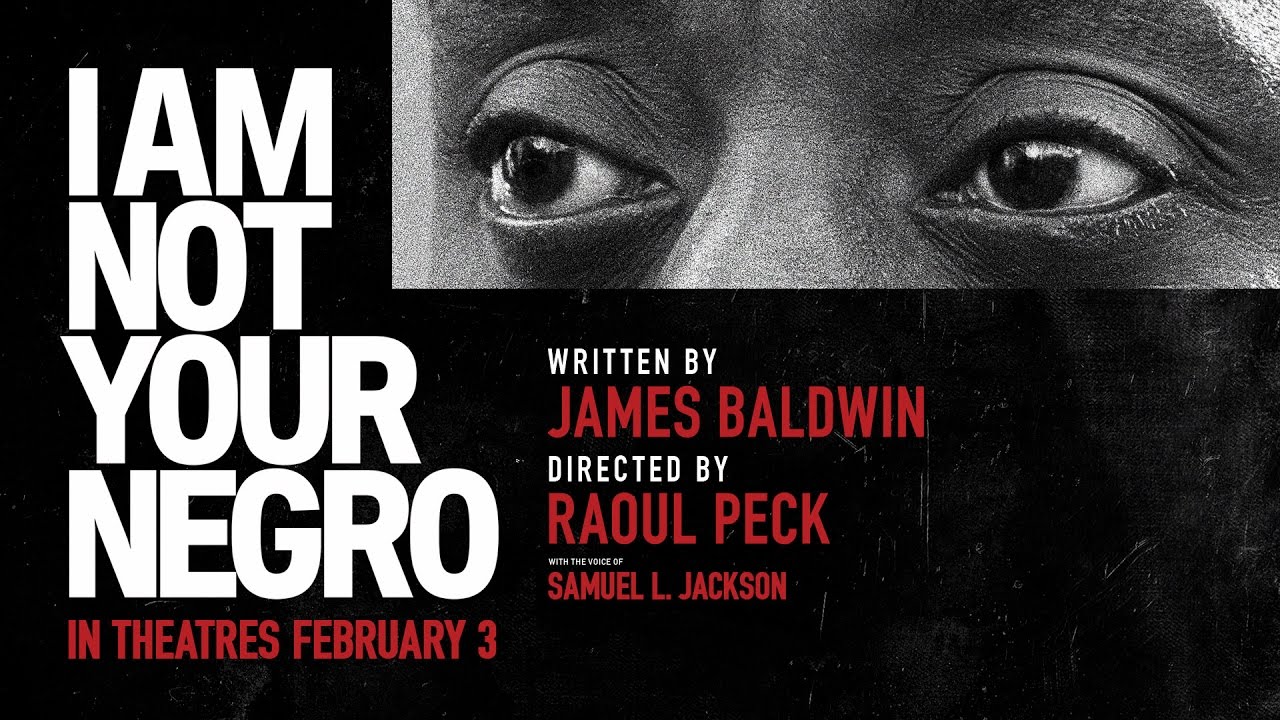
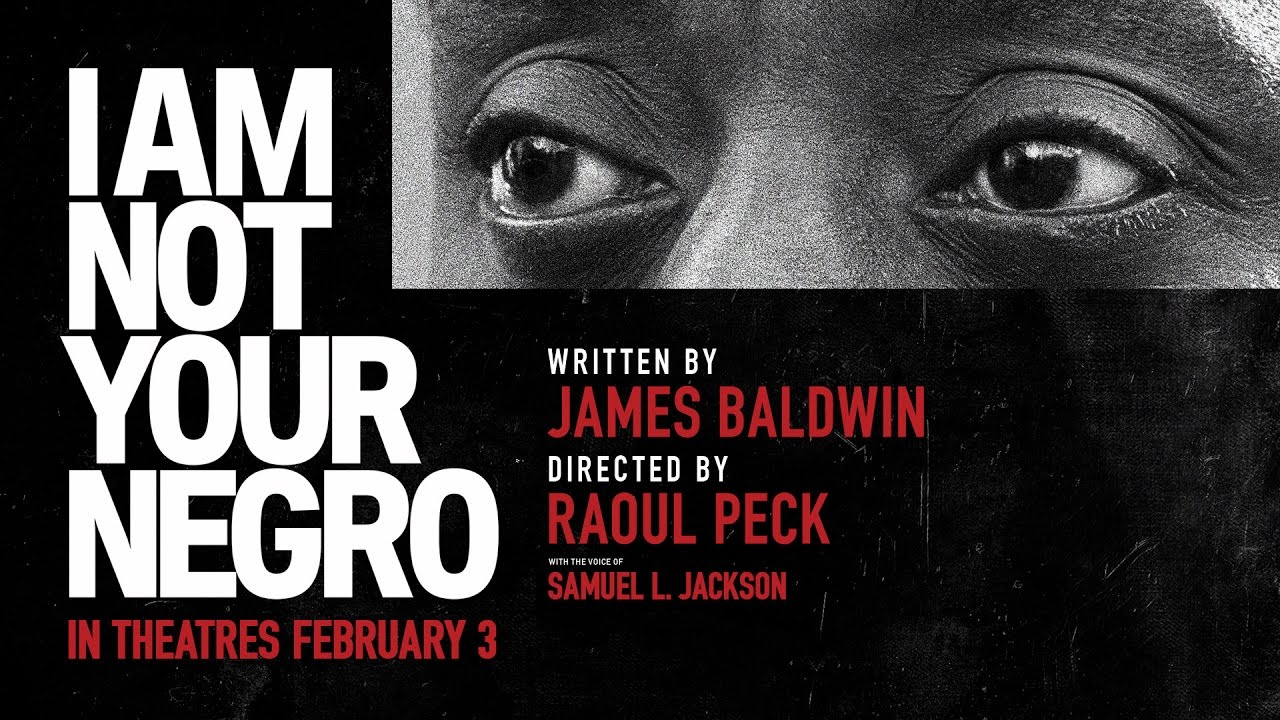
Copyright 2016 Magnolia PicturesDirector Raoul Peck has made a powerful and vitally timely film about James Baldwin — and about today. By juxtaposing Baldwin’s words with images from Ferguson and other contemporary conflicts over race and poverty, he underscores the impact and importance of Baldwin’s commentary.
It is shocking how little has changed. Peck makes that point subtly by going behind the grainy black-and-white images that are so familiar to us from the Civil Rights Era, so stylized that they seem almost as distant as daguerreotypes. Intensive research over a ten-year period led to the discovery of previously unseen archival footage, some in color, matched here with new contemporary material, some shown in black and white to make even more seamless the connection between past and present.
Still, there are some stunning reminders of what has changed, none more shocking than the sight of not one but two public intellectuals as guests on a night-time network television talk show. Yes, before the days when talk shows were made up of silly games and sillier reality show “stars” and Hollywood performers pushing their latest projects, people used to come on television and talk about ideas. We see James Baldwin and a Yale professor on the Dick Cavett show. Yes, the professor condescendingly whitesplains race relations, clearly thinking he is complimenting Baldwin by pointing out all they have in common.
It is good to be reminded that at one time there were public intellectuals who engaged with policy and culture so bracingly. Peck reminds us that Baldwin was a social critic who was fascinated with movies and the message they reflected and conveyed about our society. Through his eyes, we see Doris Day as an emblem of whiteness, John Wayne “heroically” killing Indians, movies ignoring race (and the stories of anyone who was not white) and movies fumbling in their attempt to portray race, like “Uncle Tom’s Cabin” with its saintly slaves and “Imitation of Life” with the light-skinned girl who wanted to deny her heritage, and her mother.
The movie credits Baldwin himself as its author, and rightly so. Baldwin is a mesmerizing screen presence with his deep-set eyes and lacerating wit. But it is his words that make this film come alive, knowing, provocative, patient, but insistent.
Parents should know that this film includes some violent and confrontational images from the Civil Rights Era and contemporary racial abuses and protests, and some strong language.
Family discussion: What do the contemporary images tell us about Baldwin’s ideas? What would he say about today’s controversies? Would he say we have made progress?
If you like this, try: “Eyes on the Prize” and the books by James Baldwin
An intriguing premise is repeatedly undercut by clunky dialog and corny plot twists in “The Space Between Us,” the story of a teenager born on Mars and his first trip to Earth.
It begins in 2018, just before the launch of the first expedition to colonize Mars. Nathaniel Shepherd (Gary Oldman) has been planning it since he was 12 years old and now, a joint project from NASA and the private Genesis corporation is sending a team not just to explore Mars, but to live there for four years, in a settlement called East Texas. With the depletion of resources and abuse of the planet, Mars is the best chance for humanity to continue. “Mother Nature does not negotiate.” The night before launch, Shepherd presents the crew, lead by Sarah, who captivates the crowd with her gallantry and confidence. “Courage,” she tells them, “is fear that has said its prayers.”
All goes well at first, but it turns out, about halfway to Mars, that Sarah has committed a reckless misjudgement. She is pregnant. Nathaniel, worried about losing funding for the project, keeps it secret. Sarah dies giving birth and the baby is raised by the scientists on Mars, without anyone on Earth knowing about him other than Nathaniel and a couple of his colleagues. “East Texas runs on money, science, good faith, and PR,” Nathaniel says. He will not risk the mission. And the child, gestated in zero gravity, might not be able to survive the trip home or life on Earth.
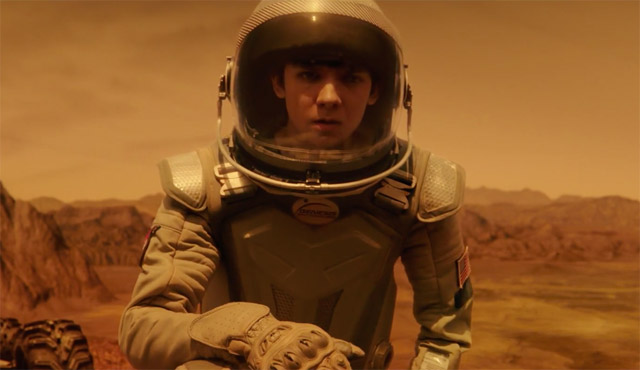
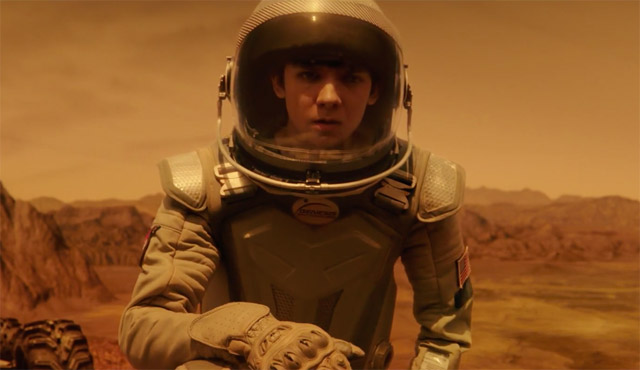
By the time we see him again, Gardner (Asa Butterfield, still soulful, and quite the beanpole since we saw him in “Hugo”) is a teenager. His only friends are an astronaut scientist named Kendra (Carla Gugino), who treats him like a lab assistant, and a robot sidekick.
In some ways, he is just like teenagers on earth, moody, uncommunicative, very interested in meeting a girl, determined to find his father, and determined to test whatever boundaries there are. In some ways he is different. He knows very little about the most basic elements of life on earth. And, because he is the first human to grow up in the 62 percent lower gravity of Mars, his physical development — bone density, heart — has been affected so that even if he did get a chance to come to earth, it could kill him.
But remember what I said about boundaries? And girls? Gardner has been e-chatting with a high school girl named Tulsa (Britt Robertson, seven years older than Butterfield and looks it), who lives in foster care in Colorado. He runs away from the NASA/Genesis medical facility to meet Tulsa and asks her to help find his father, with Nathaniel and Kendra in pursuit. There were so many possibilities here, to see Earth through the eyes of someone whose only knowledge of the planet and human interaction involving more than the same five people came from Wim Wenders’ “Wings of Desire” and old how-to movies about dating. Instead, we get a syrupy love story and chases with a helicopter, a crop duster, and a series of stolen cars.
Last year’s “The Martian” made the science fascinating. “The Space Between Us” tries to make it superfluous, neglecting some basic principles of physics but even worse, some basic principles of logic.
Parents should know that this film includes some mild language, non-explicit teen sexual situation, alcohol abuse, teen mayhem (stealing, reckless driving), some peril, childbirth scene, sad death, and health risks.
Family discussion: What’s your favorite thing on earth and why? What surprised Gardner most? What advice would you give him about how to act on Earth?
If you like this, try: “The Martian” and the film Gardner watches, “Wings of Desire”