And the Runner-Up Is: Podcast Discussion of Picnic and the Best Films of 1955
Posted on November 20, 2019 at 8:56 am
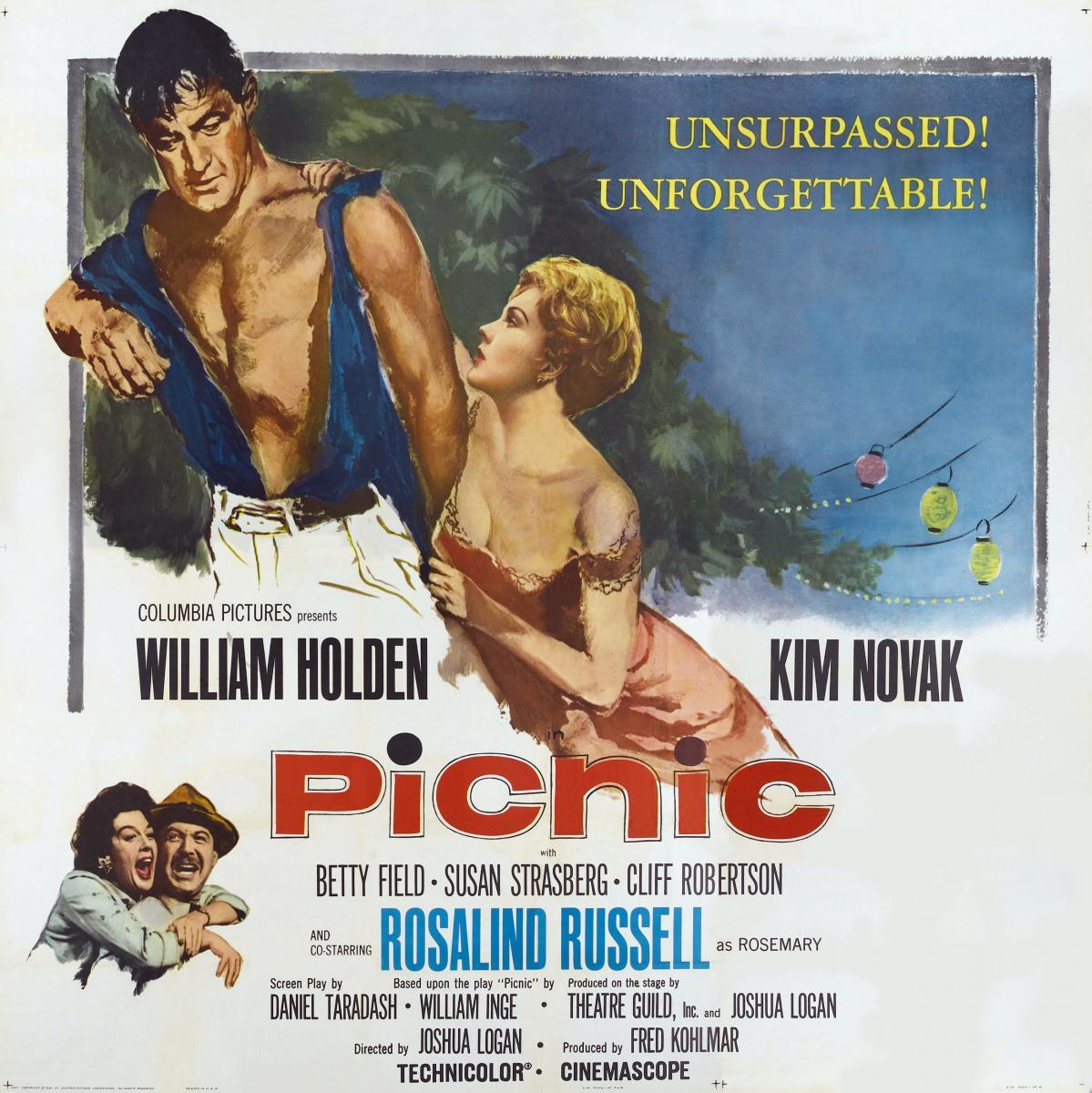
Oscar-ologist Kevin Jacobsen’s delightful “And the Runner-up Is” podcast looks back at the Academy Awards and considers which films that did not win have better stood the test of time than the ones that brought home the gold. Spoiler alert: We agreed that “Marty” is still at the top of the 1955 list, but we had a great time talking about the runner-up, Joshua Logan’s “Picnic,” starring William Holden and Kim Novak and based on the play by William Inge.
Tonight on TCM, “Cinemability: The Art of Inclusion” tells the story of disability representation in films, followed by some classic, if not consistent with current standards, examples, including “Freaks” (“You’re one of us now!”), “Hunchback of Notre Dame,” and “Johnny Belinda,” with Oscar-winner Jane Wyman as a young deaf woman.
For many years, it seemed that the most reliable way to get an Oscar was to play someone with disabilities. In addition to Wyman, actors who have won Oscars for portraying disabled or ill characters include Dustin Hoffman (“Rain Man”), Daniel Day-Lewis (“My Left Foot”), Colin Firth (“The King’s Speech”), Geoffrey Rush (“Shine”), Al Pacino (“Scent of a Woman”), Jamie Foxx (“Ray”), Tom Hanks (“Forrest Gump”), Tom Hanks again (“Philadelphia”), Matthew McConaughey (“Dallas Buyers Club”), Marlee Matlin (“Children of a Lesser God”), Jack Nicholson (“As Good as it Gets”), and Eddie Redmayne (“The Theory of Everything”). Of those, only Matlin had the real-life disability she was portraying. Increasingly, Hollywood is being urged to cast disabled actors to play disabled characters, which will open up opportunities to talented performers and provide more meaningful authenticity to the representation we see on screen.
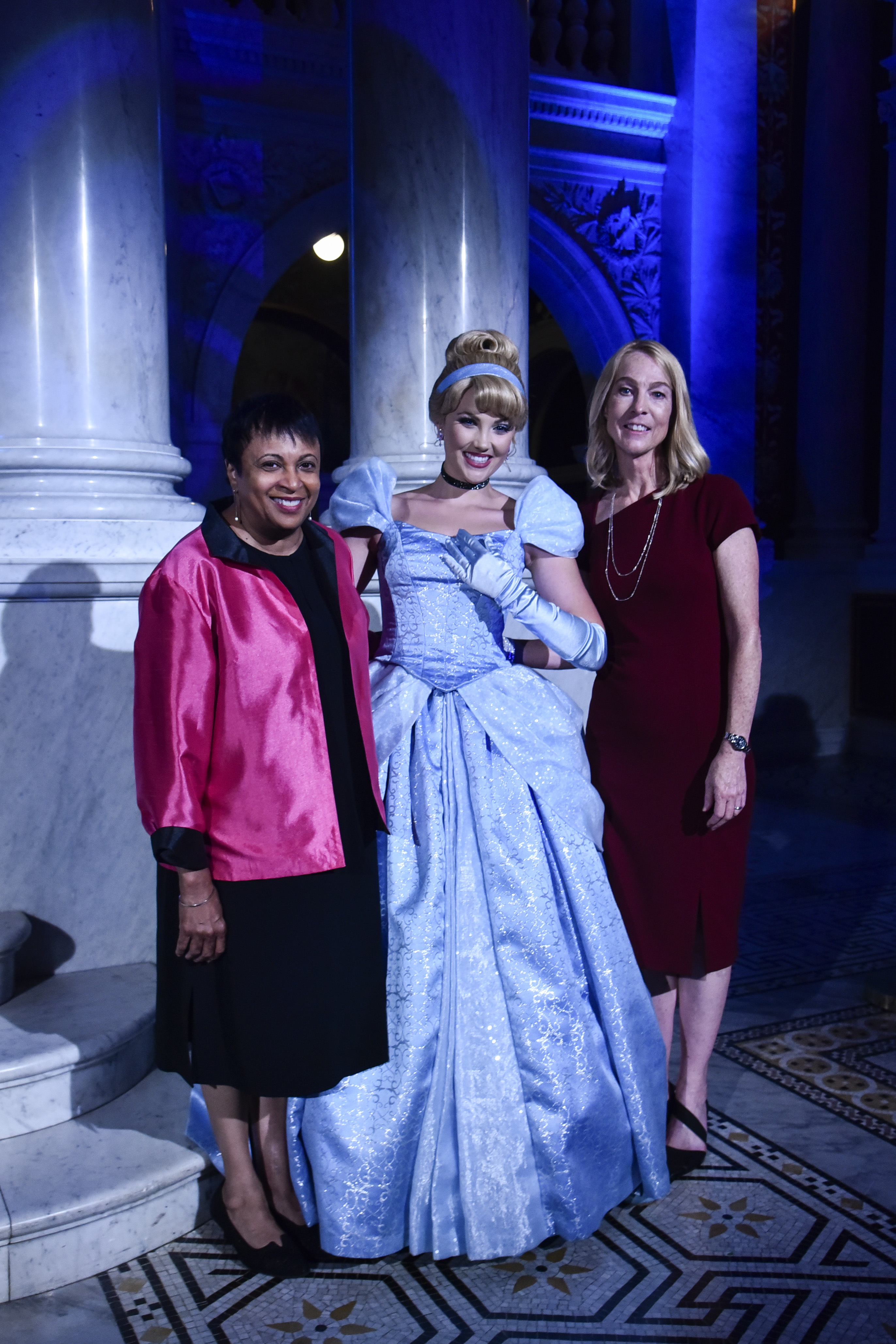
She told me that “Cinderella” was Disney’s first animated feature after WWII, where it was mostly working to support the war effort. So this return to classic fairy tales was very meaningful for them. An excerpt from the interview:
Cinderella’s blue gown has to be one of Disney’s most iconic dresses.
Yes, like the ultimate Christian Dior design from the 1950s. It’s really interesting for me because if you think about the time in which this story takes place in the 19th century, 1800 – 1840-ish, but yet it was made in the late 1940s and released in 1950, so the design aesthetic that they chose is influenced by that particular time period in France but also the reflections of the artist working in the late ’40s to early ’50s. So her hair, the style of her gown, reflect both eras.
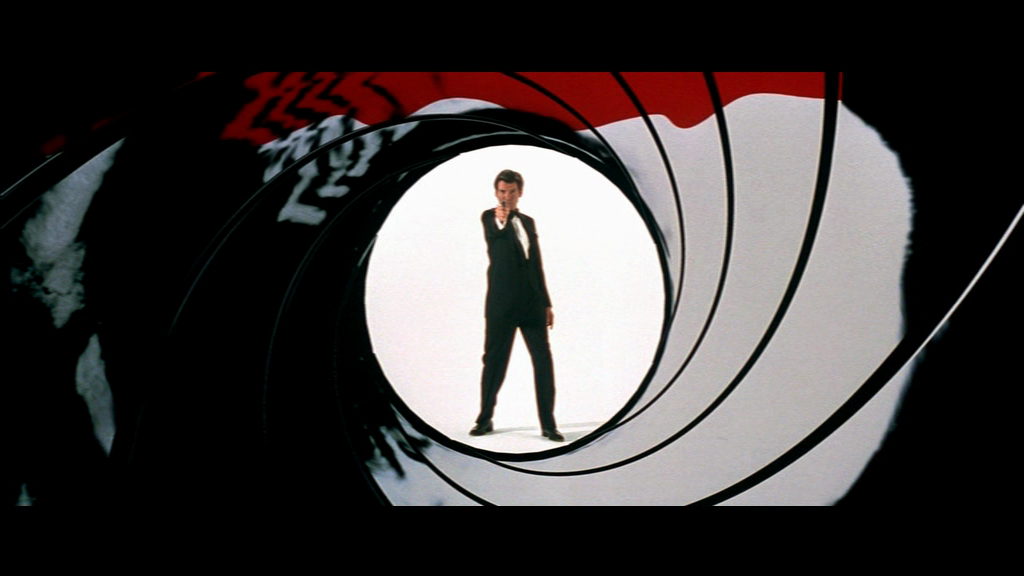
Barry’s cues were wholly representative of the music he was writing for the series at the time: dangerous and seductive, the pure essence of cool. Connery’s Bond was the same, a man who you would happily let romance you knowing you were unlikely to survive even the most fleeting of relationships, and Barry’s gun barrels personified that to a tee. By the time “On Her Majesty’s Secret Service” came around in 1969, Bob Moog’s Moog synthesizer had hit the music world with a bang, and as such Barry chose to utilize it to introduce George Lazenby. While the cue begins in the traditional way, the vamp is introduced over a credit for Albert R. Broccoli and Harry Saltzman, meaning that when Bond appears he’s scored by the main riff on Moog, which gives the cue a different mood that certainly represented Barry’s groundbreaking score, considered by many to be the franchise’s best.
And some background on the famous theme, with the guitar riff by Monty Norman.