Defamer revisits the first 40 years of MPAA ratings. In the first days of film there were no ratings or limits. After outcries over the spicy content of some of the early talkies, Hollywood adopted the Hays Code in 1930. The studios agreed to its voluntary but highly restrictive terms not just about sex and language (the only proviso for violence was that it had to be in good taste). But it prohibited portrayals of clergy that made them appear corrupt or foolish and depictions of inter-racial relationships. There are legendary stories of battles over whether Rhett Butler would be allowed to say “I don’t give a damn” in “Gone With the Wind” (he was) or whether Bette Davis could get away with murder in “The Letter” (she wasn’t). And writer-directors like Ernst Lubitsch and Preston Sturges prided themselves on getting past the censors with subtle double entendres.
In November of 1968, MPAA head Jack Valenti created the ratings code at a time of cultural upheaval. The studios wanted to be able to tell stories about and for adults. At first, the ratings were G, PG, R, and X. But when X was appropriated by the porn industry, the MPAA switched to NC-17 (no children under the age of 17). And the PG-13 rating was added after objections to some of the grisly images in the second Indiana Jones film, like the eyeball soup.
Defamer lists some of the ratings system’s worst and most absurd moments, including the R rating for the original “Thomas Crown Affair” based only on a sensual (and fully clothed,ending only with a kiss) chess game and the PG rating for “Facing the Giants” for evangelical themes.
The documentary This Film Is Not Yet Rated documented the failures of the rating system but mostly focused on its secrecy and favoritism in applying the ratings to studio films over independents. Under Valenti’s successor, Dan Glickman, there have been some small improvements.
For me, the most frustrating aspects of the rating system have been the inconsistency of the treatment of material based on whether it is in a comedy or a drama (permitting PG-13 ratings for the extremely raunchy “Austin Powers” films when the same material in a drama would get an “R”), the outright stupidity in the treatment of the f-word (permitted once or twice in a PG-13 as long as it does not refer to sex, a rule you’d need a PhD in semiotics to understand and interpret), and the continual ratcheting-down of the ratings so that what would have received a PG-13 a few years ago now gets a PG. Here’s hoping for many more improvements before its next anniversary.

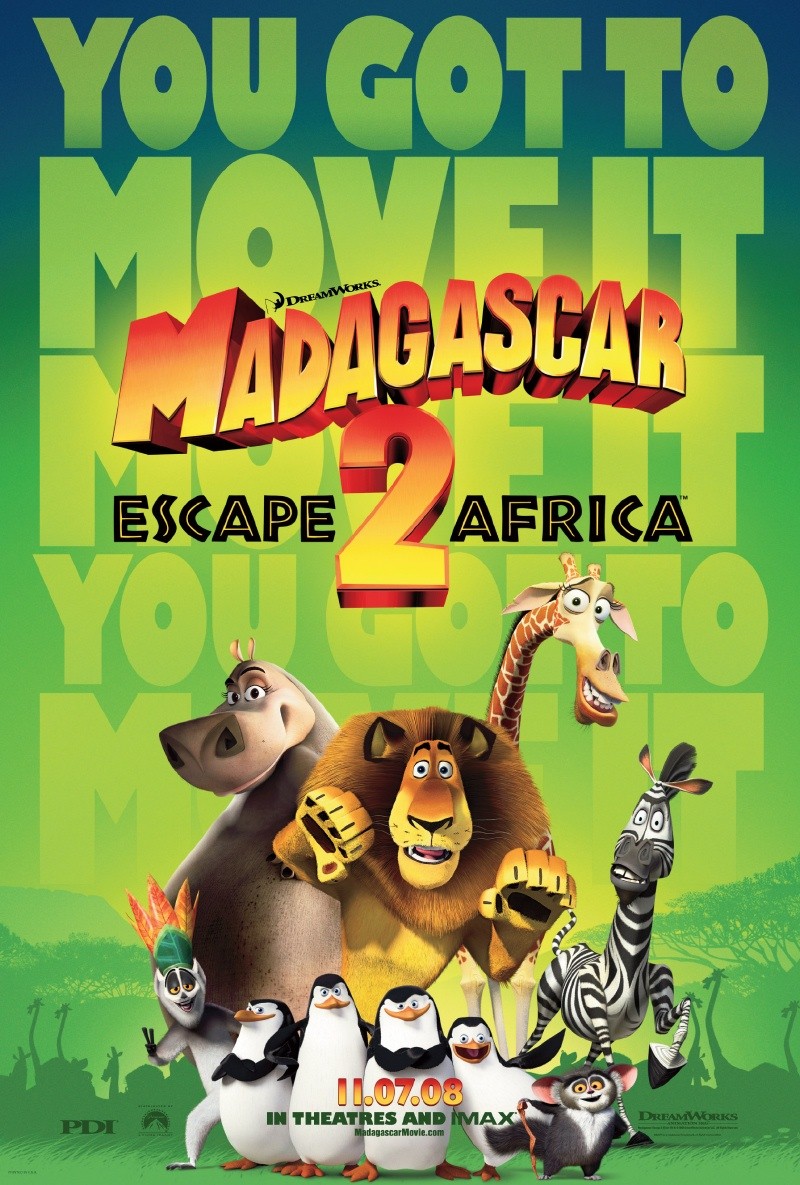 Madagascar 2 (PG) made more than $63 million in its opening weekend. Just to put it in perspective, number 2 was the R-rated Role Models, at $19 million, which under normal circumstances would have been enough to make it number one. But $63 million puts “Madagascar 2” in the top 50 opening weekends of all time, around the level of “Wall?E” and “Lord of the Rings.”
 is one of the dozen or so indispensable reference works every film fan needs.
  . He does not waste time trying to be too specific or consistent about his guidelines (okay, so “Monty Python” and “The Sopranos” are television programs, not movies, they’re still must watching) and thank goodness he does not try to rank anything. That does not mean you won’t find something to argue with. But it does mean that the arguments it sparks will be a lot of fun. Critics are cranky. But crankiness can be a lot of fun. Whether he included or dissed your favorites, it cannot be denied that every movie on his list is worth seeing and every entry in this book is worth reading.