A salute to three of Hollywood’s distinguished vets:
1. James Doohan of Star Trek landed in Normandy with the U.S. Army on D-Day.
2. George C. Scott of Patton was a decorated U.S. Marine.
3. James Stewart of “Strategic Air Command” entered the Army Air Force as a private and became a highly decorated Colonel. As a member of the reserves, he retired as a Brigadier General. He also appears in WWII: A Filmed History.
Thanks to Free Republic for the service record information. We honor all veterans for their sacrifice and commitment to protecting our freedom.
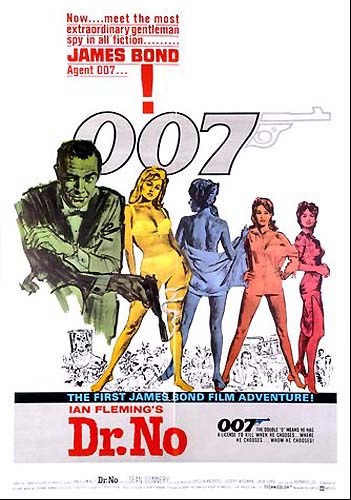
In honor of this week’s release of “Quantum of Solace,” here’s a James Bond quiz:
1. The latest James Bond film is missing three key items that have been included in most of the previous entries in the series. What are they?
2. What did James Bond study at Cambridge?
3. Name two articles of clothing bad guys in previous films have used as weapons.
4. What is 007’s preferred gun?
5. Which Bond villain had a beloved pet?
6. Which Bond character was played by a future television detective?
7. Which Bond villain had prosthetic hands?
8. Which Bond villain played poker?
9. Which Bond actor tweaked the role in an off-beat spy movie set in Panama?
10. Which Bond film had more than one actor playing the role, including an American comedian?
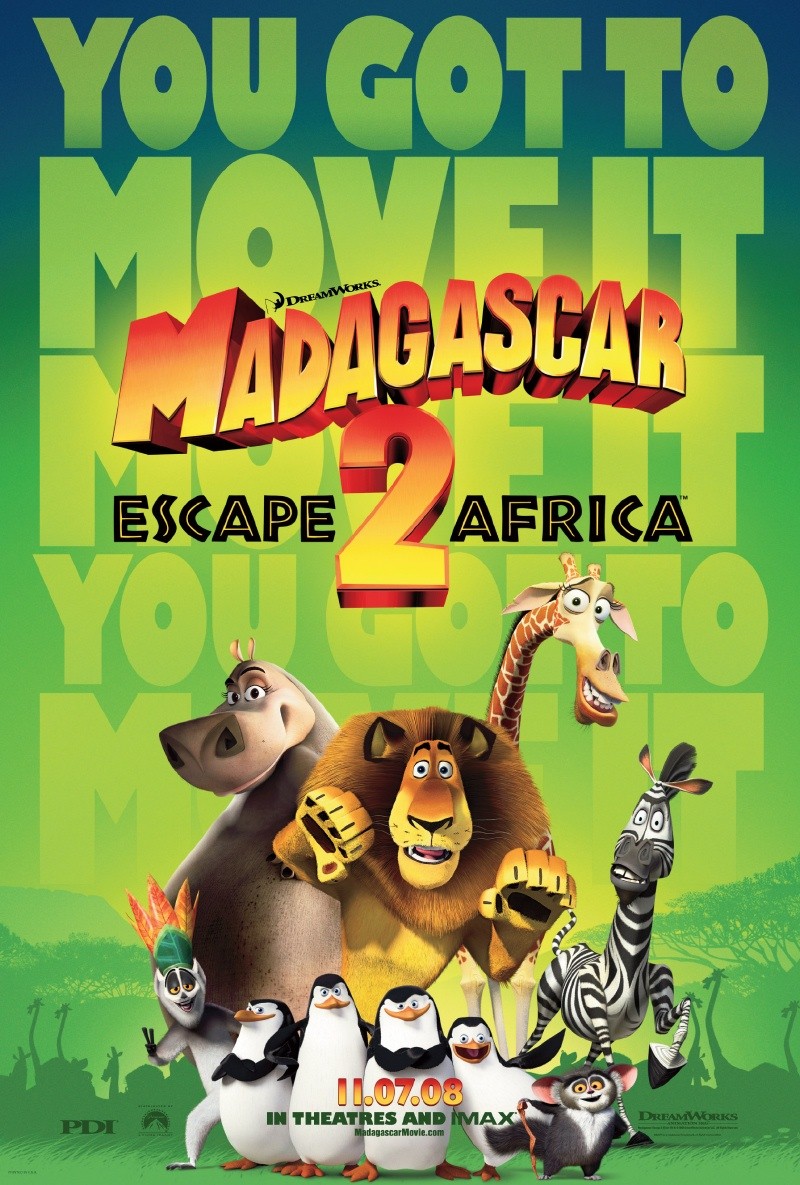
Madagascar 2 (PG) made more than $63 million in its opening weekend. Just to put it in perspective, number 2 was the R-rated Role Models, at $19 million, which under normal circumstances would have been enough to make it number one. But $63 million puts “Madagascar 2” in the top 50 opening weekends of all time, around the level of “Wall?E” and “Lord of the Rings.”
Last week’s number 1 was the G-rated High School Musical 3, for the second week in a row. This week, at number 3, it continued to do well, increasing its total to a domestic $75 million and over $160 million world-wide.
Why does Hollywood keep having to re-learn the lesson that there is an enormous and enthusiastic audience for family-friendly movies?
Chaplin: A Life is a splendid new biography of one of the most brilliant performers of the 20th century by psychiatrist and psychoanalyst Stephen M. Weissman.
It has received glowing reviews from both of the most prestigious publishing journals:
“A fresh entry in the evergreen field of works devoted to Charlie Chaplin. If ever an artist’s life lent itself to psychoanalysis, it’s Chaplin’s. . . . Weissman lends dimension to the classics . . . and demonstrates Chaplin’s ability to transform family heartbreak into film comedies. . . . With lean, energetic prose, Weissman brings this colorful theatrical period to life. . . . He offers vivid sketches . . .and carefully follows the confluence of several artists that lead to the creation of the Chaplin’s iconic Little Tramp. Throughout the book,the author caps exhaustive sourcing with an overlay of insightful observations about Chaplin’s creative process. Find space on the crowded Chaplin shelf for this perceptive, literate take on the great screen clown.”
-Kirkus Reviews
“Weissman uncovers the source for the “shabby gentility” of the Little Tramp, as well as the development of that extraordinary character. En route, he paints an engaging…portrait of how a cinema artist is created and how he practices his craft.”
-Publishers Weekly
But its most important review comes from Chaplin’s daughter Geraldine, who contributed an introduction that reads in part:
It is unlike anything that has ever been written about my father. Weissman weaves a psychologically astute narrative of Chaplin’s life and art, brilliantly exploring the relationships between experience and creativity….Weissman probes into the psychological explanation of the closest human bonds. It is uncanny how intuitively correct a trained outside investigator’s conclusions can turn out to be. This book, always provocative and at times heart-wrenching, is an enlightening read, an important addition to an understanding of my father’s genius and art, and a unique meditation on the mystery of creativity.
The book beautifully illuminates the sources and influences that inspired Chaplin’s unique combination of grace, humor, and poignancy. And Weissman has created a website about Chaplin that, like the book, is an extraordinary and insightful resource for fans and scholars. Its video clips, photo essays, and links enrich our understanding of an appreciation for this treasured icon.
Teach With Movies: Resource for Teachers and Parents
Posted on November 9, 2008 at 8:00 am
Teach With Movies is a subscription-based website with teaching materials for over 200 movies, to help teachers and parents use films to begin discussions with children and teenagers about everything from understanding emotions and improving communication to making choices and recognizing narrative themes and symbols.
Their free samples include a guide to October Sky, one of my favorite films, based on the real-life story of a young boy from a West Virginia mining town who dreams of becoming a rocket scientist. And their guide to Finding Nemo has some great ideas for talking to children about friendship and responsibility. It has good advice that applies to any movie or television show kids watch, a good reminder that media is most valuable when it is used to awaken ideas and start conversations. Just talking with your child fosters verbal, social and emotional learning. You can talk about a movie at any time: right after it is over, in the car on the way to school, during quiet time, or before bed. — Ask about the story, the characters, and the plot. Keep it light and fun. — Always encourage your child to form opinions and to share them. — Exercise memory skills by asking about plot details. — Open-ended questions will help get a discussion going.