
The End of the Tour
Posted on August 6, 2015 at 5:20 pm
B+| Lowest Recommended Age: | Mature High Schooler |
| MPAA Rating: | Rated R for language including some sexual references |
| Profanity: | Very strong and crude language |
| Alcohol/ Drugs: | Drinking and smoking |
| Violence/ Scariness: | Reference to suicide |
| Diversity Issues: | None |
| Date Released to Theaters: | August 7, 2015 |
| Date Released to DVD: | November 9, 2015 |
| Amazon.com ASIN: | B0153C71X8 |
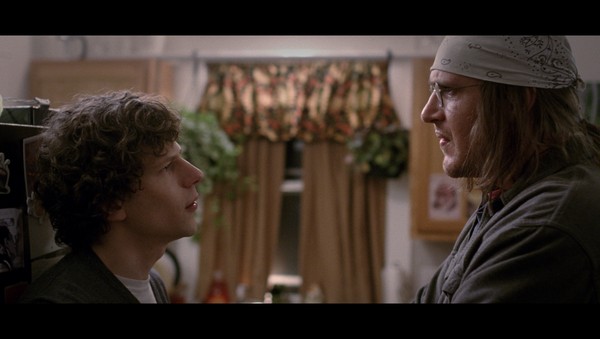
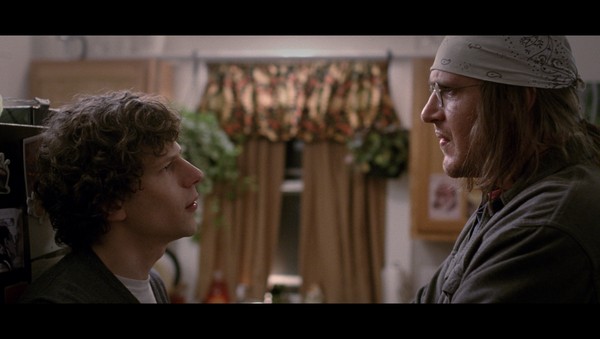
Form illuminates content in this imperfect but compelling film based on the real-life audiotapes of a four day interview of author David Foster Wallace in the final days of his book tour for Infinite Jest
The subject of the interview is David Foster Wallace (Jason Segel), whose writing was densely and intricately layered. The journalist doing the interview is David Lipsky (Jesse Eisenberg), also a recently published novelist, though his book attracted no attention.
Lipsky persuades his editor at Rolling Stone that Wallace, whose book is a critical and commercial hit, would be a good subject for the magazine. And Wallace, now in the final days of his book tour, agrees to let Lipsky come along. Their wide-ranging (in geography and subject matter) conversation over four days reflects a constantly shifting set of expectations, assumptions, and goals for a construct so essentially artificial it hardly makes sense to call it a relationship. And yet, Lipsky literally moves into Wallace’s man cave of a home and for that time there is a simulation of some kind of friendship between them, at times even a sense that they could be friends, which they both seem to find unsettling and appealing. Wallace’s writing had a fractured, self-referential quality, filled with asides and meta-commentary. So it makes sense that the film has some of those qualities as well. If there were such a thing as cinematic footnotes, they’d be here. Instead, the context itself provides the footnotes. Wallace, whose great subject was American consumer culture, ends up in Minnesota’s Mall of America, eating in the food court as the indoor roller coaster zooms by.
Janet Malcolm famously described a journalist as “a kind of confidence man, preying on people’s vanity, ignorance, or loneliness, gaining their trust and betraying them without remorse.” We see some evidence of that in “The End of the Tour” but there are several other layers as well. The two men are about the same age, both writers, one lauded as one of the great novelists of his generation, one who released a book that got no attention at all. So Lipsky wants more from Wallace than a story. He is looking for guidance, validation, understanding. He acknowledges that he wants what Wallace has. At the same time he wants to understand why Wallace does not seem to want it. The two men are both relentless, even obsessive, self-observers. As Lipsky is recognizing the gulf between the kind of superficial details that make up a celebrity profile and what it means to actually know someone, he tries to find some kind of foothold. He wants to prove himself to his editor (in real life, the article was never published). And he wants to prove to himself that he is somehow in the same species as Wallace. There is a Mozart/Salieri element here as Lipsky’s greatest talent may be his ability to appreciate Wallace’s genius.
The commitment to verisimilitude is claustrophobic at times because almost all of the dialogue is taken directly from the tapes. An opening scene where Lipsky first hears of Wallace’s suicide and digs out the tapes adds nothing to the story. And yet again this is a case of form following content, as the near-obsessive, even fetishishtic, constricted particularity of the conversation is the kind of thing one of Wallace’s characters might do. The most telling moment in the film is when Wallace admits that he does not mind being profiled in Rolling Stone. He just does not want the profile to make it appear that he wants to be profiled in Rolling Stone. That is exactly the kind of fractured, Schroedinger-ian attraction/repulsion Wallace felt to the themes of his work: the gulf between presentation and reality, between observing and being, between attention and distraction. As Lipsky knew, it is a privilege to be a part of that conversation, even as we must be aware that it is the kind of entertainment — even at this ambitious level — Wallace would both want and not want to see.
Parents should know that this film includes very strong and crude language, sexual references, drinking, and smoking.
Family discussion: Why did Wallace agree to the interview? Why did he get angry with Lipsky?
If you like this, try: the books by David Foster Wallace and “My Dinner with Andre” and listen to the excellent interview with David Lipsky on the podcast, “The Moment“
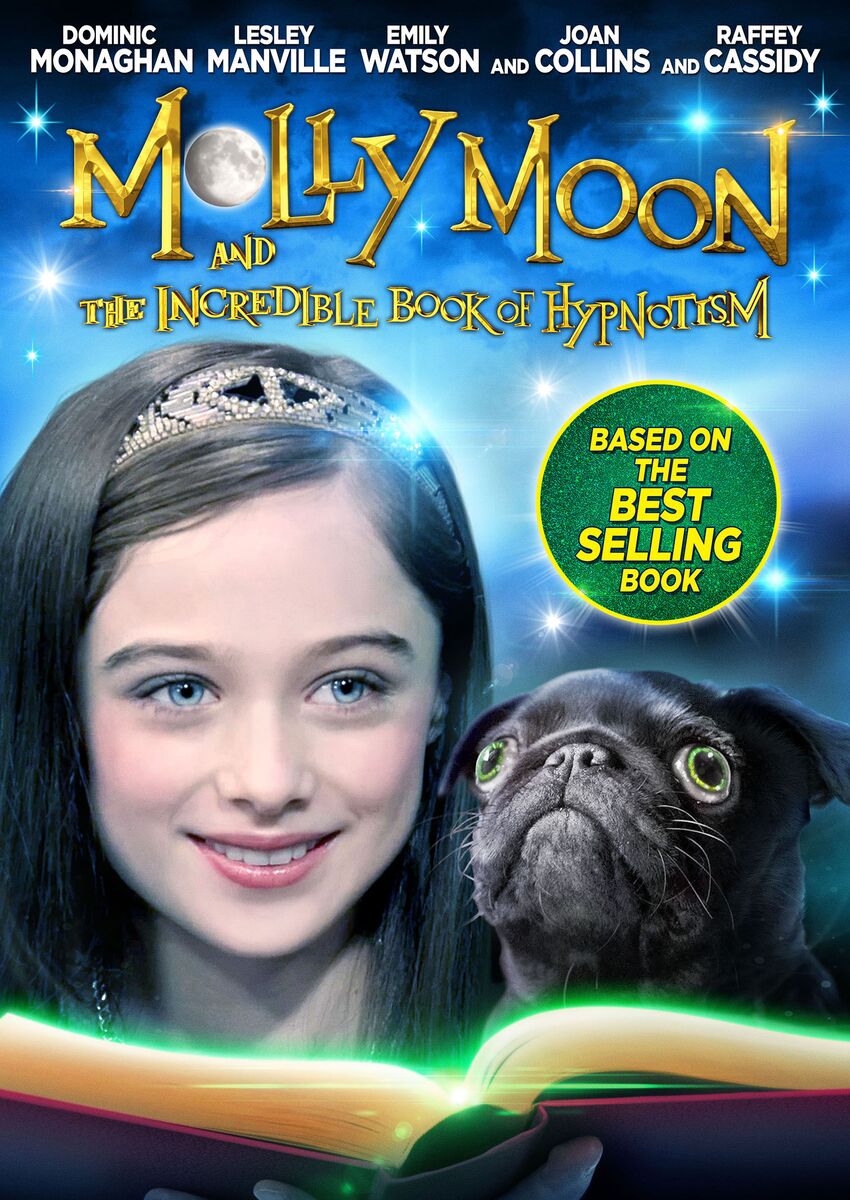
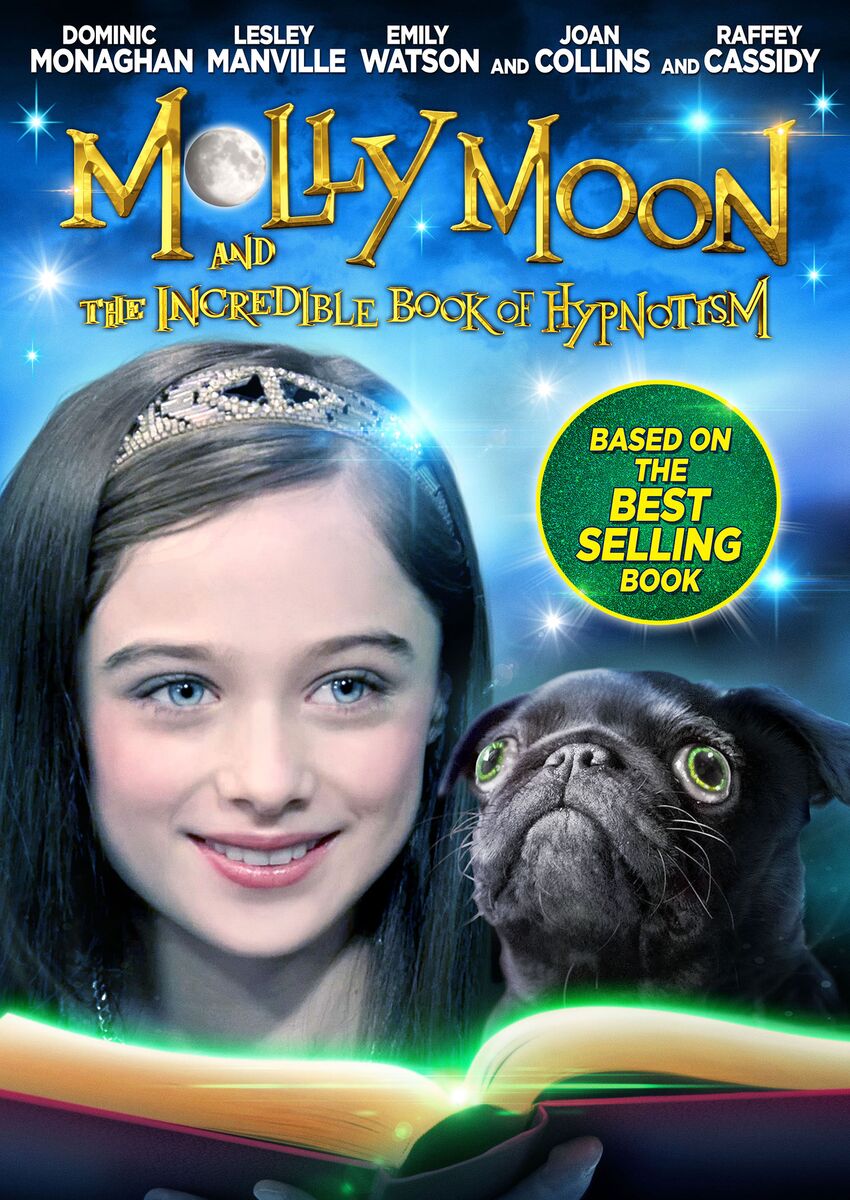
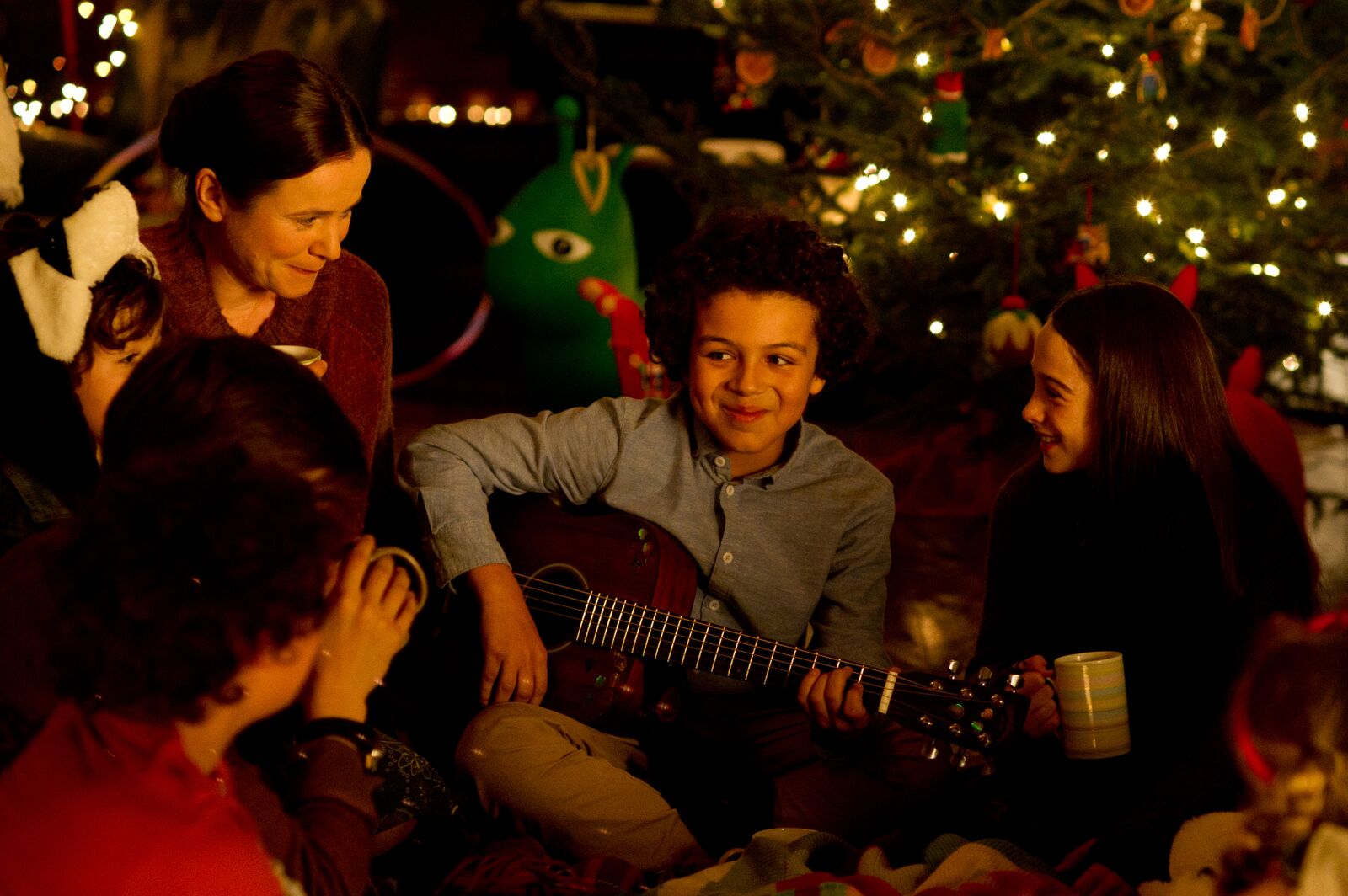
 is now a film starring Dominic Monaghan (“The Lord of the Rings: The Return of the King”), Lesley Manville (“Maleficent”), Emily Watson (“The Theory of Everything”) and Joan Collins (ABC’s “Dynasty”) and Raffey Cassidy, the breakthrough star of “Tomorrowland.” It will be available in theaters, on VOD, and iTunes on August 14, 2015.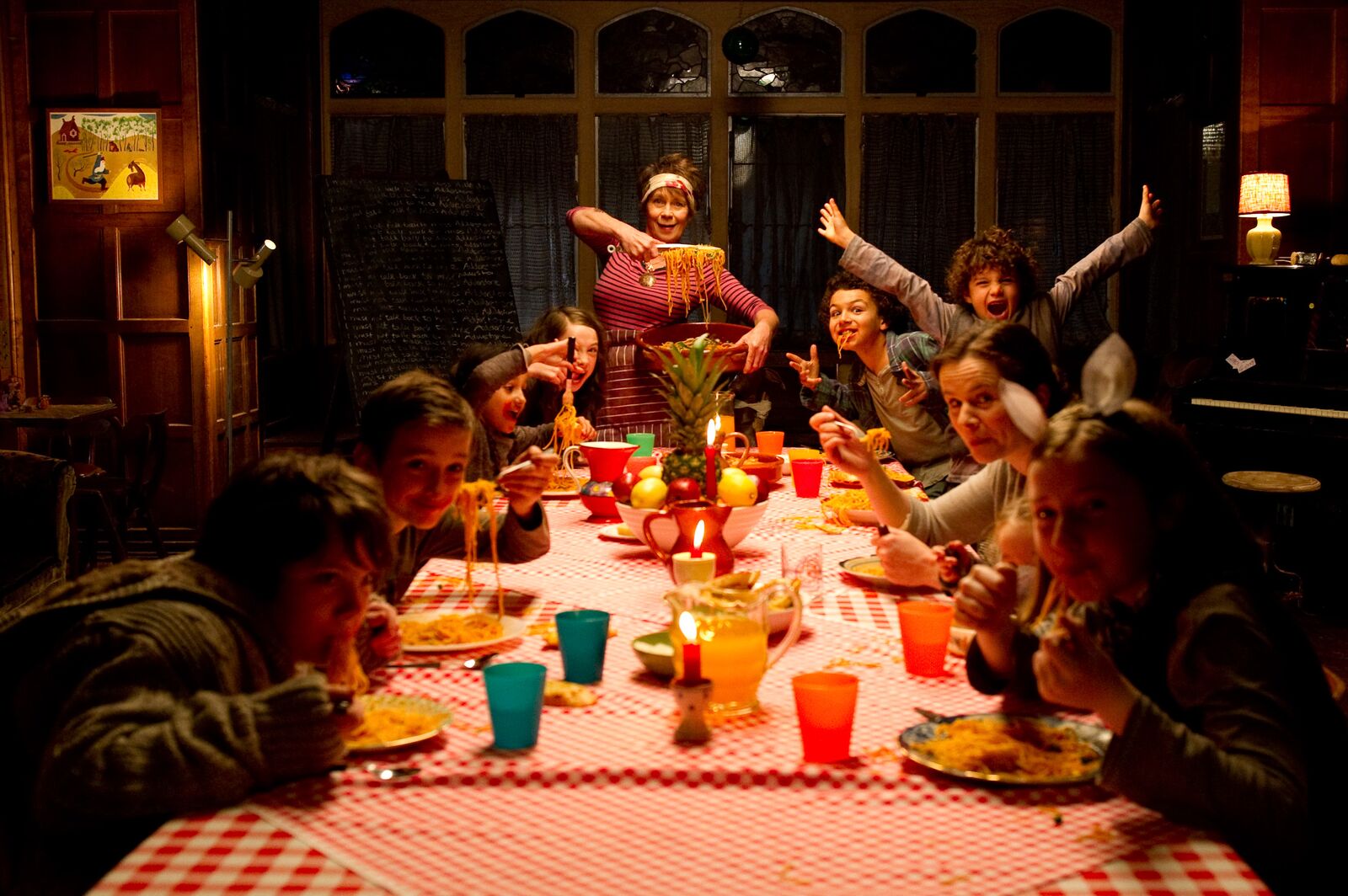
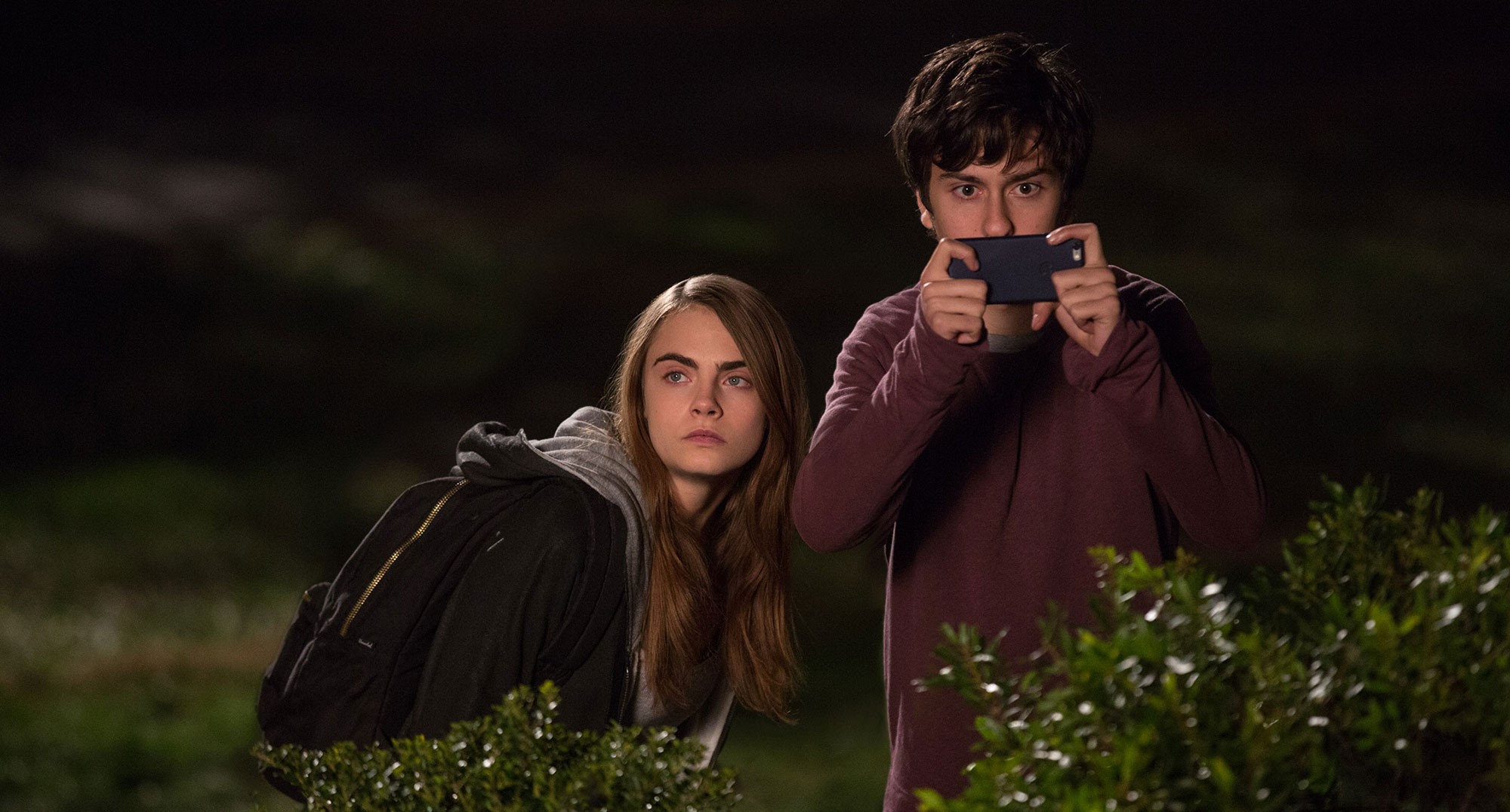


 is now a movie!