The Dinotrux have figured out a new building tool that helps Skya save the day. Watch Skya take on D-Structs head on when Dinotrux Season 2 comes to Netflix March 11, 2016 from Dreamworks Animation.
Ty and his best friend Revvit are back, building and battling in an all-new Season 2. The turf war escalates when D-Structs unveils a buzz-saw tail, battles with battering-ram Skya and kidnaps Revvit. Together the team saves the Ottos from a meteor crash, goes underground to escape the Desert Scraptors and builds a racetrack with Ton-Ton’s friends the Dumps. The fun never ends with the crew that’s half dinosaur, half truck.
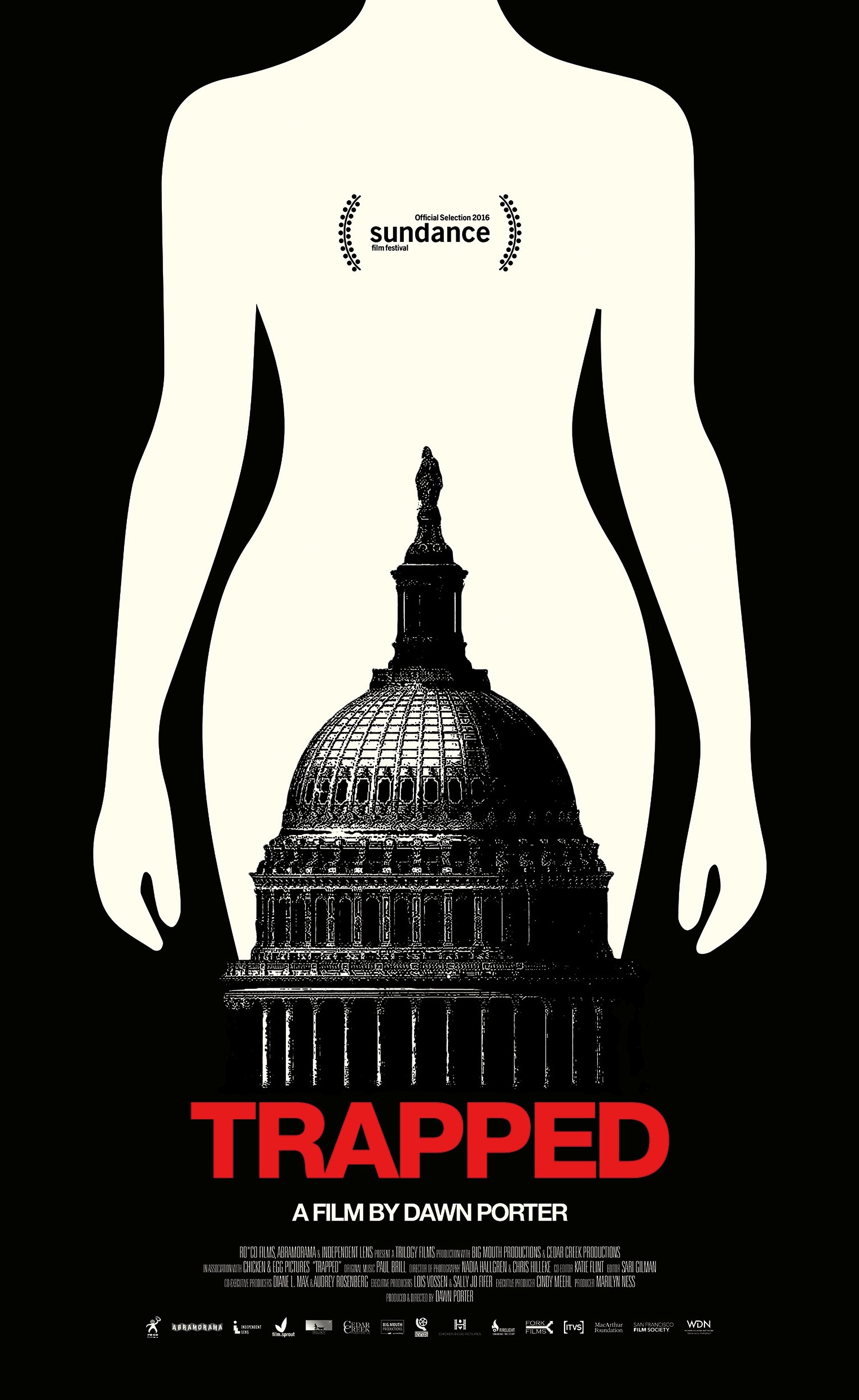
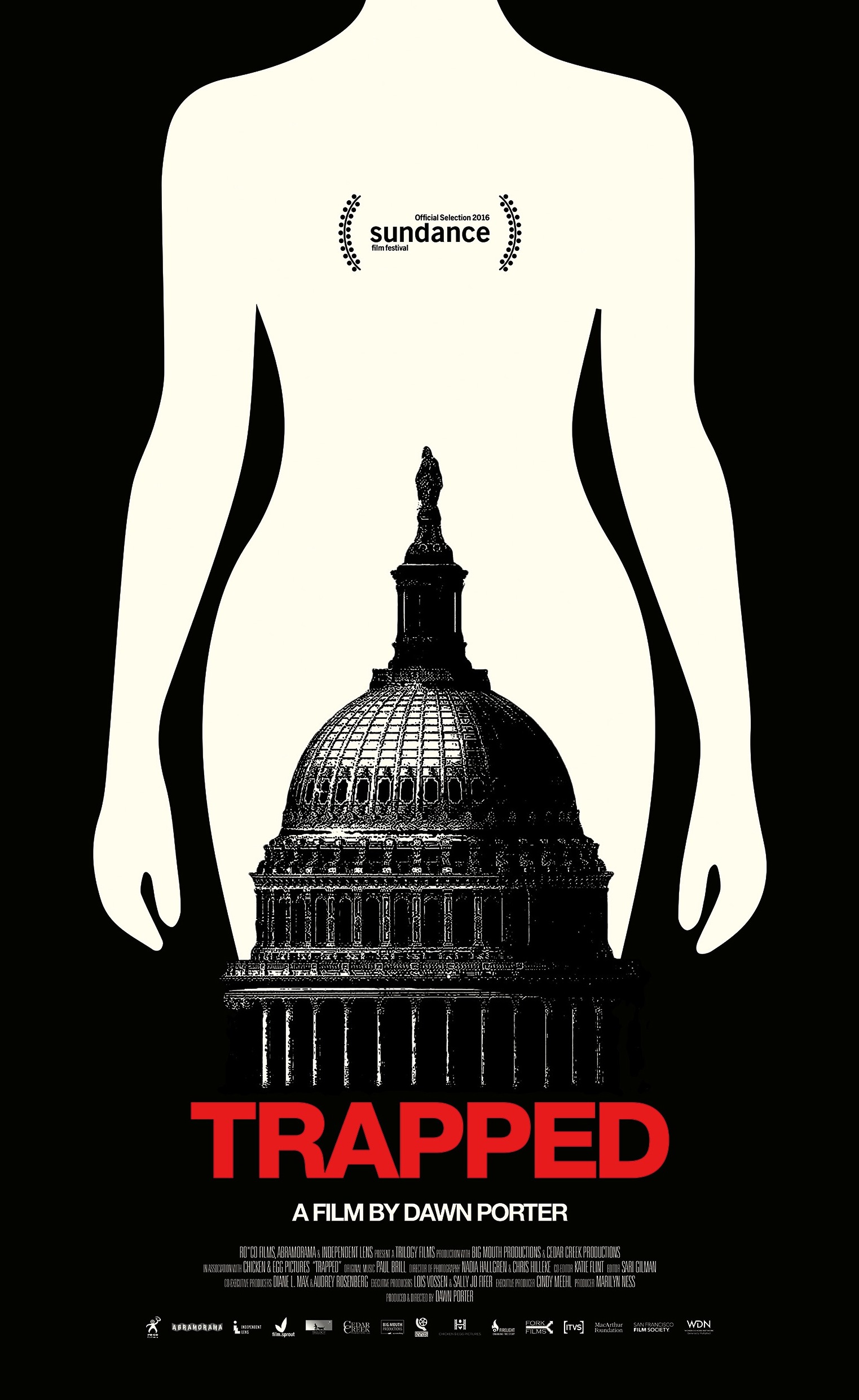
Interview: Dawn Porter on the Abortion Documentary “Trapped”
Posted on March 8, 2016 at 3:20 pm
Dawn Porter is the lawyer-turned-documentarian who directed and co-produced Trapped, a film about the new laws limiting access to abortion. Known as TRAP (Targeted Regulation of Abortion Providers) laws, they are described by legislators as protecting the health and safety of women by imposing requirements that normally apply to hospital settings, waiting periods, and distribution of misleading or inaccurate information. The release of the film is very timely, in theaters the same week that the challenge to these laws was argued in the Supreme Court. As the movie shows, and as the arguments before the Court made clear, medical authorities do not support these requirements, which are not imposed on similarly risky or risky medical procedure providers (liposuction, colonoscopies). They have no medical benefit to women and are intended to and have the effect of limiting women’s ability to make their own choice to have a Constitutionally protected medical decision.
In an interview, Porter spoke about the impact of these laws, her compassion for the women’s reproductive health care providers in the film, and her decision about the portrayal of anti-abortion voices in the film.
How does the death of Justice Scalia affect the prospects for the Court’s decision on the challenge to the Texas TRAP laws?
This film has taken so many twists and turns. A lot of court watchers believed he might have actually pushed to re-examine Roe v. Wade and its legal underpinnings. With him gone, most people think there isn’t anyone who would push the Court that far. It’s probably doesn’t impact the ultimate decision except that if the Court splits 4 to 4, the Texas decision upholding the law will stand with no precedential value which in itself would be a huge issue because the court likes to take cases that will have some precedents. They look for cases that can actually help govern the law. And if the decision in this case doesn’t provide any precedent it means states across the country will still be in this legal limbo; we will still be fighting about TRAP laws. If Justice Kennedy votes with the more liberal members of the court, then it will be a 5/3 to strike down the laws and then that would be the law of the land. So Justice Scalia’s death is quite significant and the final chapter in this is certainly not written.Copyright 2016 Abramorama
How can legislatures enact laws directing doctors and patients to do things that are not medically recommended?
That’s one of the things that makes me the angriest. I read a report this morning that examined the materials that doctors are compelled to distribute to abortion patients and it estimated to 40 percent of the information in some of these pamphlets is inaccurate. I spent times in six different clinics over two and a half years and saw a lot of the patient populations. 60 percent of people in a number of clinics were under the poverty level. A lot of people were not getting any medical information. I saw Dr. Parker just listening to people’s hearts, checking blood pressure, routine medical care. There is a healthcare crisis in this country and the idea that the health department that bears the imprimatur of the state would knowingly distribute false and misleading information to people who do not have resources to help them understand what is happening is so manipulative and such a waste. Most of the equipment in that room is never turned on. And as you see in the film, they are required to buy $1100 of medication every month that is never used but it expires and so has to be thrown away and replaced. We are in a situation where the conservatives are requiring waste and wasteful medicine; that’s not good medicine. While we have people who can’t access healthcare we have this facility that is unused.
What did you learn about the opponents to abortion? Why don’t we hear more from them in this film?
When I first started filming I wanted to talk to the protesters and just see if there was anyone who would present kind of a non-hysterical point of view. There was either just outright misinformation or people who would not present very well, put it that way. And so I kind of had to make this editorial decision about how to give any kind of voice to people who are anti-choice. So what I tried to do was, I included the voices of the anti-choice people. We see protesters and we see the Chief Justice of the Alabama Supreme Court appear at an anti-abortion event. But I tried to make the film from the perspective of the providers as they tried to comply with the laws and their day-to-day experiences. And I wanted to show their compassion and commitment to the women who come to to their facilities. When we filmed in that center the thing that kept coming to me was how beautiful it is.
I thought it was incredibly important to put Justice Moore in because he is a Chief Justice of the Supreme Court of the Alabama. He is charged with enforcing the laws. A really important law that the Alabama courts have to enforce are the consents for minors. So in Alabama the only way that you can get an abortion is if your parents’ consent in writing, both parents or if you have a judicial bypass. The minor has to appear and states her reasons for having an abortion and have an Alabama judge decide whether or not that that is ok. So it’s quite relevant and that the the chief judge of the Supreme Court in Alabama is the person who decides what the administrative rules are. So if you have somebody who is violently anti-choice who is part of the funding operation for anti-choice activist, I felt like that was relevant. I also think it speaks to the political climate. A number of people have remarked to me that the legislators are not hiding their true intent. And as a lawyer as a person who is a poli-sci person I find that horrifyingly fascinating that people are open about this tactic.
Why don’t the opponents to abortion pursue initiatives that actually are proven to decrease abortion, like providing birth control and support for pregnant women and babies?
I think is a great question and but I don’t think that there is a good answer. What the anti-choice people would say is that they support adoption, that children are a gift from God and that sex is for procreation. I mean that’s really what it comes down to. There is the protester in the film who says that men are here to adore women and take care of them. And the way that he shows that is by screaming at them and shaming them. And we did not include the names that he calls women. He screams in front of his own children. Women were supposed to be adored but not the woman who were there for an abortion.So I think if you think the same states that are passing laws that are shutting clinics also do not take federal funding for the Affordable Care Act, do not support sex education, and do not support birth control. So the logical conclusion is they are more anti-sex, they are anti-non-procreative sex than they are anti-abortion. So that’s really what this conversation is about.
The irony there is that a number of the women I saw were married, I saw a number of women who wanted to have the pregnancy continue but were literally saying they cannot afford to bring this child into the world. One of the most heartbreaking things I saw was this woman who cried through her procedures and she cried in the waiting room. She wanted to speak with me but she didn’t want to be on camera. I never pushed anybody once somebody who said no but she did say she wanted to talk about it and she said she had a two-year-old, she had just gotten out of welfare she had gotten into school and a part-time job and she was so excited about her life. She was on birth control that failed and she had an unplanned pregnancy and this woman said, “I love my husband, I love my child, we would love to have a second child but if I have that everything we’ve worked for over the last two years would go away. I’d go back on welfare and I don’t know if I’d ever get off.” And so it was not that she still thought it was the right thing to do but it was horrific time for her to terminate a healthy wanted baby with her partner that she loved. And so not only did I watch her go through it but I watched her being screamed at about how she was a slut and a baby killer as she was already so torn up about this and her husband was in the waiting room. It was just such a range of emotions but the biggest thing that I took away from that was as much as I wanted to hear her story, I didn’t want to be the position of judging anyone’s abortion.
I have two kids and I know what kind of a mother I try to be. Why would I want anything less for somebody else? We were able to wait till we could to have kids. And why wouldn’t I give that same dignity to someone else to make that decision for herself?
There is a disproportionate impact on poor women and their families, too.
There is a deep contempt for poor people in these laws. Watching people count off money that was the equivalent of a month’s rent and know that they were literally taking food off the table and making this choice between having another child or being able to pay their bills that month was also infuriating. Because of these extra requirements you have to make these separate visits and take off from work, which is hard because a lot of people are on hourly jobs or if you’re lucky to have a job, then you have to get child care because more than half of the women already have a child. And also because of shrinking number of clinics so many people are traveling so far so then you have to have overnight costs so you have like the people were sleeping in their cars in the parking lot. And so there’s all these obstacles but there’s also the question of dignity and it was really distressing to see people who were already in some level of crisis have these added burdens. I don’t have to go through any of those things, I have good health insurance and I call and make a doctor’s appointment for a time that’s convenient for me. So if I had to have an abortion I would go to a state where I could be seen within a couple of days I wouldn’t be racing the clock. And half the people who are racing the clock need procedures that are more complicated and it becomes more expensive and it completely gets out of reach for people. So none of it is good health care policy which is why it makes me just also crazy when people say this is for the health and safety of women because there is just nothing to support that.
What led you to make the film and who do you think the audience for the film is?
I was working on another film, Gideon’s Army, and I was shooting interviews in Jackson, Mississippi and I read in the local paper that there was one clinic in the entire state of Mississippi. To give you a comparison in New York metropolitan area there are about 80 clinics. I was so floored by that. So I did what all documentary filmmakers do. I called them up and I said, “Can I come over?”
I met Dr. Parker that day. He just started talking about abortion access in a way that it just hit me like a lightning bolt that this was such a politicized, such a brilliant way of stopping clinic access is to attack the providers and attack the doctors in the name of women’s health which makes it very difficult for the general public to understand. I thought if there’s a way to show that political story through this individual person that that would be a film that would be accessible to the widest possible audience. And it’s also the kind of film that I like to make. I like films about people. He introduced me to the clinic owners and so the film really kind of unfolded really naturally.
It was complicated and it was challenging logistically because so much was happening and they were actively involved in litigation and the lawyers didn’t always want them to talk or comment so I had to kind of work around those restrictions. I hope and I do think that it will add a different perspective to the abortion conversation. I think most people understand about crazy people who kill doctors, they understand about people who bomb with clinics what they don’t understand is the greatest threat to abortion clinics is the state political process and I think in this presidential year focusing on the mechanics of government is really important. The state and local elections are really important. I really wanted to kind of introduce that this is not an accident that half the abortion clinics in America has closed in the last five years.
I hope this is a wake-up call. Most people support some form of right to abortion, more than 80 percent of Americans. So if that’s the case then my sincere hope is that people will pay attention to the process by which these rights are being eliminated and stop feeling like it’s some private screaming match issue they think they don’t want to get involved in. We can’t sit by the sidelines and allow that to happen. And so I am I’m enough of an optimist and not like so much a cynic that I feel like if people like Dr. Parker can get up and go to work every day, the least I can do is to talk about it.
Of the Three Movies Released This Week, the One With the Most Racial and Gender Awareness is….Zootopia
Posted on March 5, 2016 at 12:27 pm
The two live-action releases this week, “Whiskey Tango Foxtrot” and “London Has Fallen,” featured stereotyping and white actors playing characters of color. So it was especially refreshing to watch “Zootopia,” a Disney animated movie with talking animals, and discover some genuinely thoughtful and sensitive portrayal of race and gender. It is dispiriting to see that in 2016 movies like “Gods of Egypt” and “Whisky Tango Foxtrot” are using American, Australian, and European actors to play Middle Eastern characters. As Ann Hornaday points out in a very perceptive essay for the Washington Post,
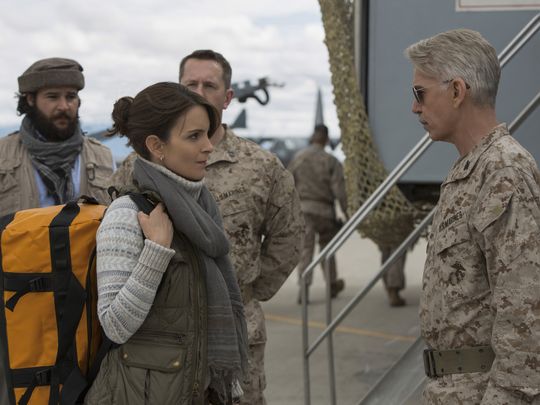
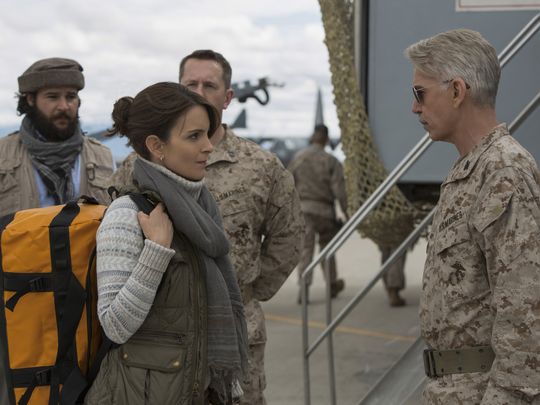
, starring Tina Fey as an intrepid, amusingly clumsy television reporter assigned to cover the war in Afghanistan, takes full advantage of its lead actress’s unforced warmth, in the service of a film that balances drama, romance and comedy with admirable skill. But in the midst of what could have been a thoroughly delightful mid-winter diversion, viewers are presented with the off-putting spectacle of two white actors — Christopher Abbott and Alfred Molina — portraying key Afghan figures in the story, one wearing layers of bronzing powder and a native pakol, the other leering from behind a bushy beard.
The problem goes behind misrepresentation, authenticity, and making it tougher for non-white performers to get jobs and tell their own stories. “It’s a matter of aesthetics,” she notes. “Rather than getting lost in the story up on the screen, viewers find themselves distracted by a bad makeup job or too-obvious prosthetics. Rather than becoming wrapped up in the emotional truth a performer is trying to convey, they remain at arm’s length from a character that can never be fully, seamlessly realized.” It sends messages that audiences of all races cannot help but absorb about standards of beauty and appropriation.Copyright Disney 2016
The movie gets laughs from some surprisingly touchy racial material: “A bunny can call another bunny cute, but you can’t,” Hopps scolds Wilde. Later, another character gets reprimanded for an impropriety that, famously, black men and women have to deal with all the time: “You can’t just touch a sheep’s wool!”
But as broad as the movie sometimes plays, it delivers a clear message that when individuals prejudge others based on their heritage—or when a police force cracks down on a certain kind of person based only on their own bias and fear—people get hurt and treated unfairly.
The lead character is a small female bunny who responds tartly to being called “cute” by explaining that bunnies can use that term about each other, but it is inappropriate from another species. And the focus on the story is on her challenges in overcoming stereotypes — and realizing that she has some of her own to overcome, too. This is a lesson the makers of films like “Gods of Egypt” and “Whiskey Tango Foxtrot” should learn as well.
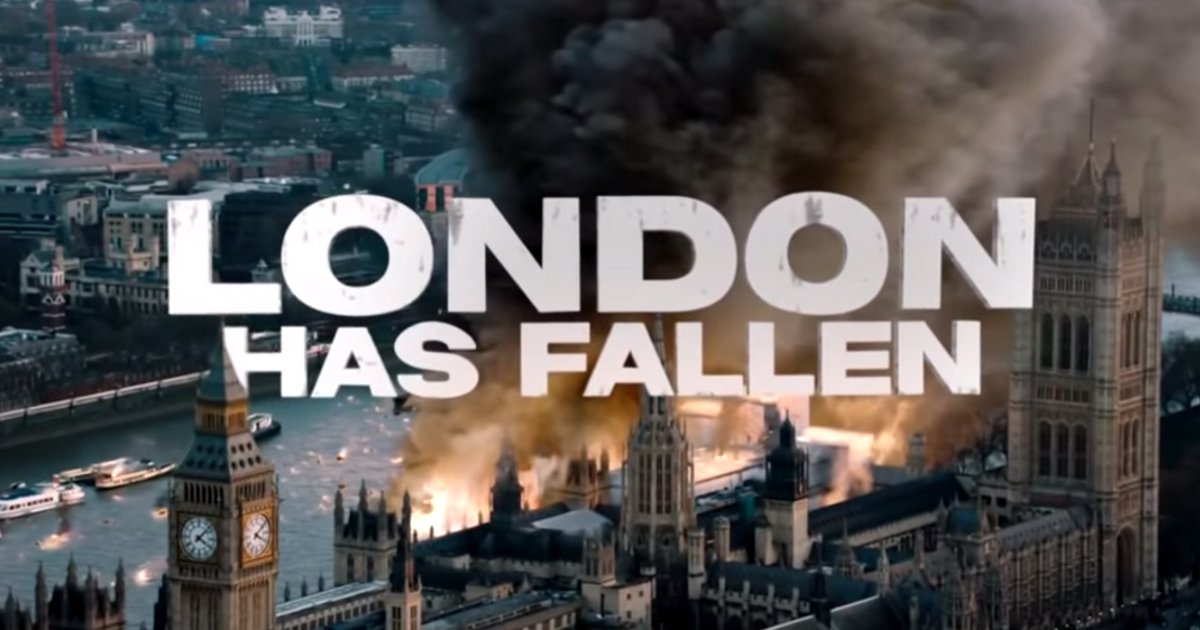
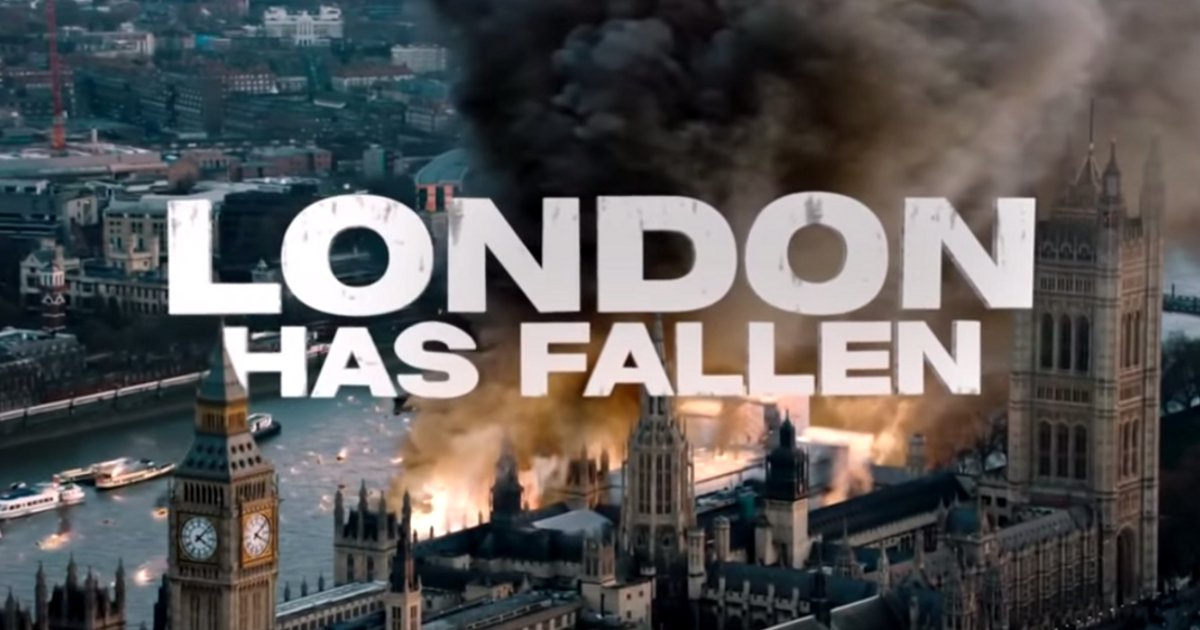
“London Has Fallen” is a love letter from producer-star Gerard Butler to himself and every bit as dumb and dreary as that sounds. This sequel to the more violent of the two attack on the White House movies of 2013 follows an opening scene of a drone attack on a terrorist group, establishing the revenge motive, with a re-introduction to our hero, manly showboat Secret Service hero Mike Banning (Butler), out jogging with (and out-jogging) President Benjamin Asher. “What are you made of?” the President asks with the same air of astonished admiration producer/star Butler clearly expects from the audience. “Bourbon and bad choices,” says Mike, letting us know that he is harder than nails and tougher than hell. All right, then!
Bad news from London. The Prime Minister has died. So that means all the world leaders will attend the funeral, creating a security problem of unprecedented proportions and a heck of a traffic jam, too. Meanwhile, just to amp up the emotion in the laziest possible way, manly Mike and his adoring wife Leah (Radha Mitchell) are expecting a child. Mike stops home to chat with her about paint samples for the new nursery (and whether six security cameras trained on the crib is overdoing it, “and a Kevlar mattress,” ha ha). He also composes a draft letter of resignation but has to leave when the President needs him for the trip to London.
The rest of the movie is just a lot of shooting and explosions as most of the world leaders are wiped out and Mike has to keep the President safe and get him back to Washington. Plus some totally predictable (especially if you saw the last one) scenes of officials back home in the situation room watching intently on screens and saying things like “I think you’d better see this,” and at least one highly predictable death of a major character and at least one “surprise” about a traitor who turns out to be someone previously trusted.
I’d say it was more FPS game than movie, but at least in a game there is some excitement in the challenge of skill and timing. This is just passively watching things and people getting blown up and blown away, with many squishy sounds to remind us that blood is spurting. It is porn-y and fetishistic in the loving depiction of so much carnage, with iconic locations destroyed and many characters killed.
Just as distasteful is the portrayal of producer/star Butler as super-smart, always right, always picking the right target to hit and the right corner to turn, and able to take out dozens of bad guys all by himself, every single time. Excesses of self-regard and self-promotion are dwarfed by a complete failure of self-awareness. Mike blows away yet another swarthy generic bad guy and someone says, “Was that necessary?” “No,” Mike answers casually and moves on to the next one.
Those bad guys are tough. Not only do they blow up the city and murder world leaders, they “are all over social media.” Try burning that down, Mike Banning!
Gerard, was this movie necessary?
No.
Parents should know that this movie has extensive, intense and graphic peril and violence with guns, explosions, terrorism, and many characters injured and killed, disturbing images, world leaders assassinated, massive destruction, and constant strong language.
Family discussion: How do Mike and the President see things differently? If you were running the Secret Service, what would you do to protect the President?
If you like this, try: “Olympus Has Fallen” and “G.I. Joe”
When Michiko Kakutani of the New York Times reviewed the book that inspired “Whiskey Tango Foxtrot,” the memoir of journalist Kim Barker about her days covering US military operations in Afghanistan and Pakistan, she wrote:
What’s remarkable about “The Taliban Shuffle” is that its author, Kim Barker — a reporter at ProPublica and the South Asia bureau chief for The Chicago Tribune from 2004 to 2009 — has written an account of her experiences covering Afghanistan and Pakistan that manages to be hilarious and harrowing, witty and illuminating, all at the same time.
It’s not just that Ms. Barker is adept at dramatizing her own adventures as a reporter — though she develops the chops of a veteran foreign correspondent, she depicts herself as a sort of Tina Fey character, who unexpectedly finds herself addicted to the adrenaline rush of war.
And now that book is a movie, and the role of Ms. Barker is being played by non-other than Tina Fey, who also co-produced. As always, her work is whip-smart and original. This is not Liz Lemon goes to war, it is an impressively sensitive dramatic performance.
But Barker’s story has been movie-ized, giving it the “inspired by” rather than “based on” designation, and removing the “r” from the character’s name to create some space. The real Barker was a print journalist, but making her a television correspondent to make it more cinematic. And the various love interests are fictional. It is disappointing that the movie makes the impetus for the assignment a combination of professional and romantic ennui. Barker was a dedicated journalist looking for a big story.
But much of the essence of it is the real deal, starting with Barker/Baker’s plan to spend three months in Afghanistan that turned into three years, and the ramped-up intensity of spending days embedded with the military, frantically editing the story, and then trying to obliterate memory and consciousness with some hard-core partying, only to start over again. Baker is inexperienced but dedicated and smart. She quickly impresses the cynical General (Billy Bob Thornton) who sees embedded journalists as a bother and a risk. And she quickly bonds with the other woman reporter (Margot Robbie), who shows her the ropes and asks very politely if she can sleep with Baker’s hunky security guy.
Alfred Molina is excellent, as always, as an Afghani official, though we should be past the time when European actors are cast as Middle Eastern characters. And maybe we do not need any more stories of Western characters discovering the mysteries of the other side of the world, with illuminating life lessons from exotic people. We don’t want this to be “Under the Tuscan Sun” but with war instead of sun-ripened Italian tomatoes, and it gets uncomfortably close at times. But the thoughtful script from longtime Fey collaborator Robert Carlock keeps the film from making war be just a growth experience for a reporter looking to shake up her life a bit, and the contrast between what the war does to the people trying to tell the story, knowing that the people back home just change the channel anyway give the story a sobering weight.
Parents should know that this movie has constant very strong, crude, and colorful language, drinking, drugs, smoking, wartime violence with some graphic images, characters injured and killed, sexual references and situations, and nudity.
Family discussion: What was the most important story Kim Baker reported? What did she mean when she said it “started to feel normal?”
If you like this, try: The book that inspired this film, The Taliban Shuffle, and the film “The Year of Living Dangerously”

 , and I was shooting interviews in Jackson, Mississippi and I read in the local paper that there was one clinic in the entire state of Mississippi. To give you a comparison in New York metropolitan area there are about 80 clinics. I was so floored by that. So I did what all documentary filmmakers do. I called them up and I said, “Can I come over?”