
Beowulf
Posted on February 26, 2008 at 6:00 am
One of the oldest surviving stories is retold through one of the most modern of technologies in a thrilling 3-D adventure from director Robert Zemeckis. 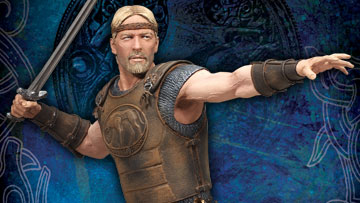
Posted on February 26, 2008 at 6:00 am
One of the oldest surviving stories is retold through one of the most modern of technologies in a thrilling 3-D adventure from director Robert Zemeckis.
Posted on February 21, 2008 at 6:00 pm
B-| Lowest Recommended Age: | Mature High Schooler |
| MPAA Rating: | Rated R for language, drug content and brief nudity. |
| Profanity: | Very strong language used by teenagers and adults |
| Alcohol/ Drugs: | Drinking and alcohol abuse, drug use and abuse of prescription drugs, smoking all by both teenagers and adults |
| Violence/ Scariness: | Gun, fistfights, bullies |
| Diversity Issues: | None |
| Date Released to Theaters: | February 22, 2008 |
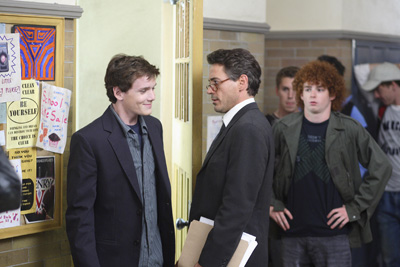 Charlie Bartlett (Anton Yelchin) has been kicked out of so many posh prep schools that the only thing left to try is the local public school. At first, he shows up wearing his prep school blazer and carrying an attaché case, but he soon learns — around the time that a Mohawk-haired bully gives him a swirly — that this is not the way to fit in. And it only takes him a little bit longer to discover that he has what it takes to become truly popular: the willingness to listen to kids and the access to a wide range of prescription psychotropic drugs.
Charlie’s popularity is a concern to the harried principal (Robert Downey, Jr.), especially after Charlie attracts the attention of the principal’s daughter (Kat Dennings). And Charlie has some issues of his own to resolve. He will not speak to his father and feels responsible for his mother (Hope Davis), whose devotion to him is is lost in a mist of pharmaceuticals and alcohol.
Posted on February 19, 2008 at 2:00 pm
B+| Lowest Recommended Age: | Middle School |
| Date Released to DVD: | February 19, 2008 |
 A 1940 film starring Joan Crawford and Clark Gable and set in a penal colony is an improbable candidate for Biblical allegory, but Strange Cargo
Posted on February 14, 2008 at 8:00 am
In 2008, I did a Valentine’s Day tribute to great movie couples, from Mickey and Minnie to The Princess Bride
1. Moonstruck
Love don’t make things nice – it ruins everything. It breaks your heart. It makes things a mess. We aren’t here to make things perfect. The snowflakes are perfect. The stars are perfect. Not us. Not us! We are here to ruin ourselves and to break our hearts and love the wrong people and *die*.
2. Eternal Sunshine Of The Spotless Mind
3. You’ve Got Mail
4. The Philadelphia Story
As tough guy Humphrey Bogart meets the even-tougher Lauren Bacall (only 19 years old when this was filmed), we get to see the real-life romantic sparks that gave the on-screen love story some extra sizzle. Watch her tell him how to whistle.
And be sure to check out Beliefnet’s other Valentine thoughts and recommendations.
