West Side Story (2021)

West Side Story (2021)

Posted on December 9, 2021 at 5:33 pm

A-
Lowest Recommended Age: Middle School
MPAA Rating: Rated PG-13 for some strong violence, strong language, thematic content, suggestive material and brief smoking
Profanity: Strong and racist language
Alcohol/ Drugs: Drinking, smoking, references to drugs
Violence/ Scariness: Gang violence, knives, gun, characters injured and killed
Diversity Issues: A theme of the movie
Date Released to Theaters: December 10, 2021
Date Released to DVD: March 21, 2022

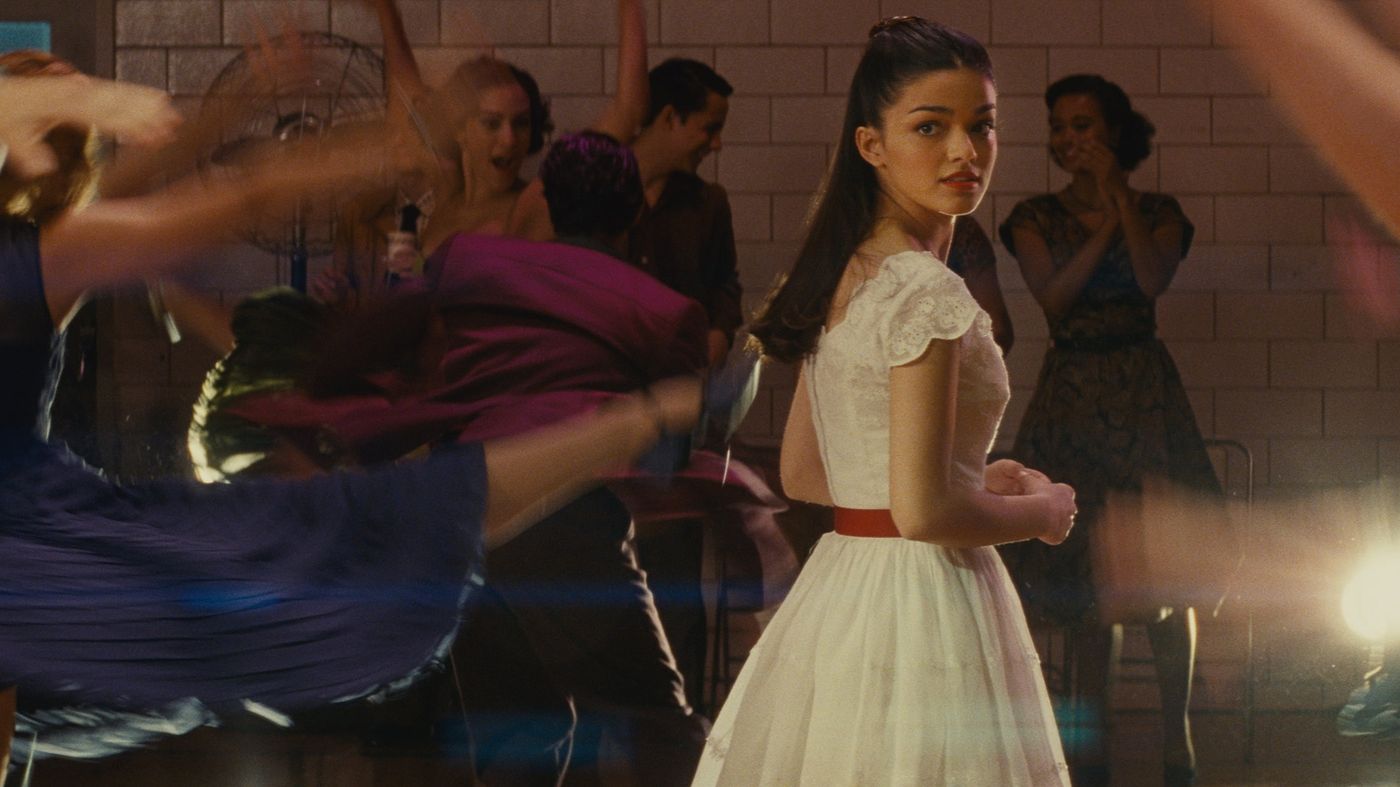
Why remake a 60-year-old movie that won ten Oscars and is still beloved, even while admitting its shortcomings and its being quaintly out of date on some of the issues it raises? Because Steven Spielberg and screenwriter Tony Kushner have taken the best from the original and made the essence of the story even more powerful and meaningful. “West Side Story,” the original itself a remake of Shakespeare’s “Romeo and Juliet,” itself a reworking of an Italian story that had at least three different versions before Romeo compared Juliet to the sun and Juliet asked what there was in a name. The themes of love, loss, fear, and anger will always inspire our stories, and the incomparable music by Leonard Bernstein, with lyrics by then then-25-year-old Stephen Sondheim, are as thrilling as ever in this new version.

Maybe there will be another remake 60 years from now, but it is hard to imagine it being better than this one. Spielberg’s gift for visual story-telling, with brilliant cinematography from Janusz Kaminski, production design from Adam Stockhausen, and editing by Sarah Broshar and Michael Kahn match and enhance the muscular electricity of the Bernstein score. There are star-making performances from the entire cast, especially Ariana DeBose as Anita, Mike Faist as Riff, and Rachel Zegler as Maria. Rita Moreno, who won an Oscar for her performance as Anita 60 years ago, all but steals the movie as Valentina, a new role, replacing Doc, the owner of the convenience store. In this version, she is his widow, their own marriage a symbol of what Tony and Maria aspire to.
Copyright 20th Century 2021

Kushner’s changes are subtle and judicious, making the story deeper and more urgent. The opening shots show us that the turf battle has already been lost. The wrecking ball is knocking everything down. The only home the Jets have ever known is being torn down “for slum clearance” to make way for a gentrification project that will include a high-end high-rise and the high-culture Lincoln Center for performing arts. When Anita sings in “America” about some day living in an apartment with a terrace, she is standing near a sign showing the glamorous building that will replace the town-down tenements.

The setting looks like a bombed-out war zone. This makes the the emotion more vivid and the stakes more concrete (in both senses of the word). When “West Side Story” was first written, juvenile delinquents were listed by a majority of Americans as one of their most important concerns, next to atomic weapons. In order to make the concerns of the gangs as visceral today, Kushner shows us why Riff and the Jets feel that everything is being taken from them. The detective tells them that all the white people in the community who were smart enough to get out are gone. They are, he says, “the last of the can’t make it out Caucasians.”

Everything that gave them a sense of power, belonging, and control (“little boy, you’re a man, little man, you’re a king”) is being reduced to rubble and replaced with spaces that would be alien to them even if they could afford them. There is dust everywhere, and everything is washed out, knocked down, and covered with grit. The Jets cannot fight City Hall. All they have left is their fury and what they use to assuage it — the feeling of brotherhood. They sing of the Jets as a family (“you’ve got brothers around; you’re a family man”) while Tony says he envies the Puerto Ricans’ strong, committed biological families. There is no one to take it out on but the newcomers who are even lower on the social hierarchy than they are, the Puerto Ricans. Riff says, “I wake up to everything I knew being sold or wrecked or being taken away by someone I don’t like.”

Their gang, the Sharks, is fueled by resentment at being treated like second-class Americans in their own country. And they, too, are worried about losing their sense of family. They want the opportunities available to white, native English-speaking Americans but they want to remain intact, insular, restricting their associations to those they can trust. Their internal conflict is shown in “America,” where the girls sing of what they can do and buy and the boys jeer at them for ignoring the bigotry they will face — while not being willing to go back to Puerto Rico.

Some changes reflect our more sensitive understanding of the very issues the original depicted. In this version, the Latinx characters are played by Latinx performers of different skin tones and no one wears brownface make-up. All of the performers do their own singing. In addition, the Spanish dialogue is not subtitled. Some gender/sexuality insults remain in the script but the character once derisively called “Anybody’s,” who we might now call non-binary, is portrayed with more depth. The dance numbers are less balletic, more a reflection of the energy of emotions the characters are feeling.

Kushner’s changes to the script are sometimes subtle but every one adds to the emotion and revelation of character. In this version, Tony has even more reason to be reconsidering his commitment to the Jets, and he has an example in Valentina, his employer and friend, of what is possible. The “Cool” song has much more of an impact here, sung by Tony to Riff when he discovers that Riff has bought a gun. “I Feel Pretty,” instead of a bridal shop, is sung in a department store, where Maria is an after-hours cleaner. The dance through the aspirational scenes of mannequins “enjoying” middle class life parallels the reference to the apartment with a terrace. And Tony takes Maria to see The Cloisters, a beautiful cathedral-like setting for “One Hand, One Heart” that evokes the timelessness of Romeo and Juliet.

This story is very much of its time but its themes, too, are timeless, and with this new version we can experience it with the deeper understanding of its themes, a new generation of performers making it as new to us as it is to them, and one nod to the past with Moreno reminding us that like the late Bernstein and Sondheim, brilliance is always forever renewing itself.

Parents should know that this movie includes strong language with some racist terms, sexual references and a non-explicit situation, drinking, smoking, references to drugs, and gang violence, with knives and a gun. Characters are injured and killed.

Family discussion: If the story took place today, who would be in the gangs and how would it be different? What do we learn from the “Office Krupke” song? Why do Riff and Tony see things differently? What advice would you give to Tony and Maria?

If you like this, try: the original 1961 film, “In the Heights,” the wonderful documentary about Rita Moreno, and “Romeo and Juliet”

Related Tags:


Classic DVD/Blu-Ray movie review Movies -- format Musical Remake Romance Tragedy
Dune

Dune

Posted on October 21, 2021 at 5:21 pm

B +
Lowest Recommended Age: High School
MPAA Rating: Rated PG-13 for some disturbing images, sequences of strong violence, and suggestive material
Profanity: Mild language
Alcohol/ Drugs: Sci-fi drug use
Violence/ Scariness: Extended peril and violence, monsters, guns, knives, many characters injured and killed including major characters and sad death of a parent, some scary and graphic images
Diversity Issues: Diverse characters
Date Released to Theaters: October 22, 2021
Date Released to DVD: January 10, 2022

Copyright Warner Brothers 2021
If some of the elements of “Dune” feel familiar to you, it is because the book series it is based on was published in the 1960s and epics have been drawing from it ever since, just as it drew on Hero With a Thousand Faces legends of young heroes up against impossible odds and evil villains with the help of wise counselors and beautiful romantic partners, and sociopolitical history. If it feels incomplete to you it is because it ends not in the middle of the story but at the end of the beginning; it is something of an origin story that just begins to set up the bigger story to come. If it feels confusing to you it is because you have not read the long, dense, intricate books, in which case I suggest this very helpful background from New York Magazine’s Vulture website. It might also be because you saw the cult-y earlier movie version from cult-y director David Lynch. The one with Sting.

But while you may be pondering those ifs, you will be stunned and amazed by the astonishing worlds on the screen (please see it on IMAX if you can do so safely), one of the most remarkable examples of cinematic world-building magic ever made, thanks to “Arrival” duo director Denis Villeneuve and art director Patrice Vermette.

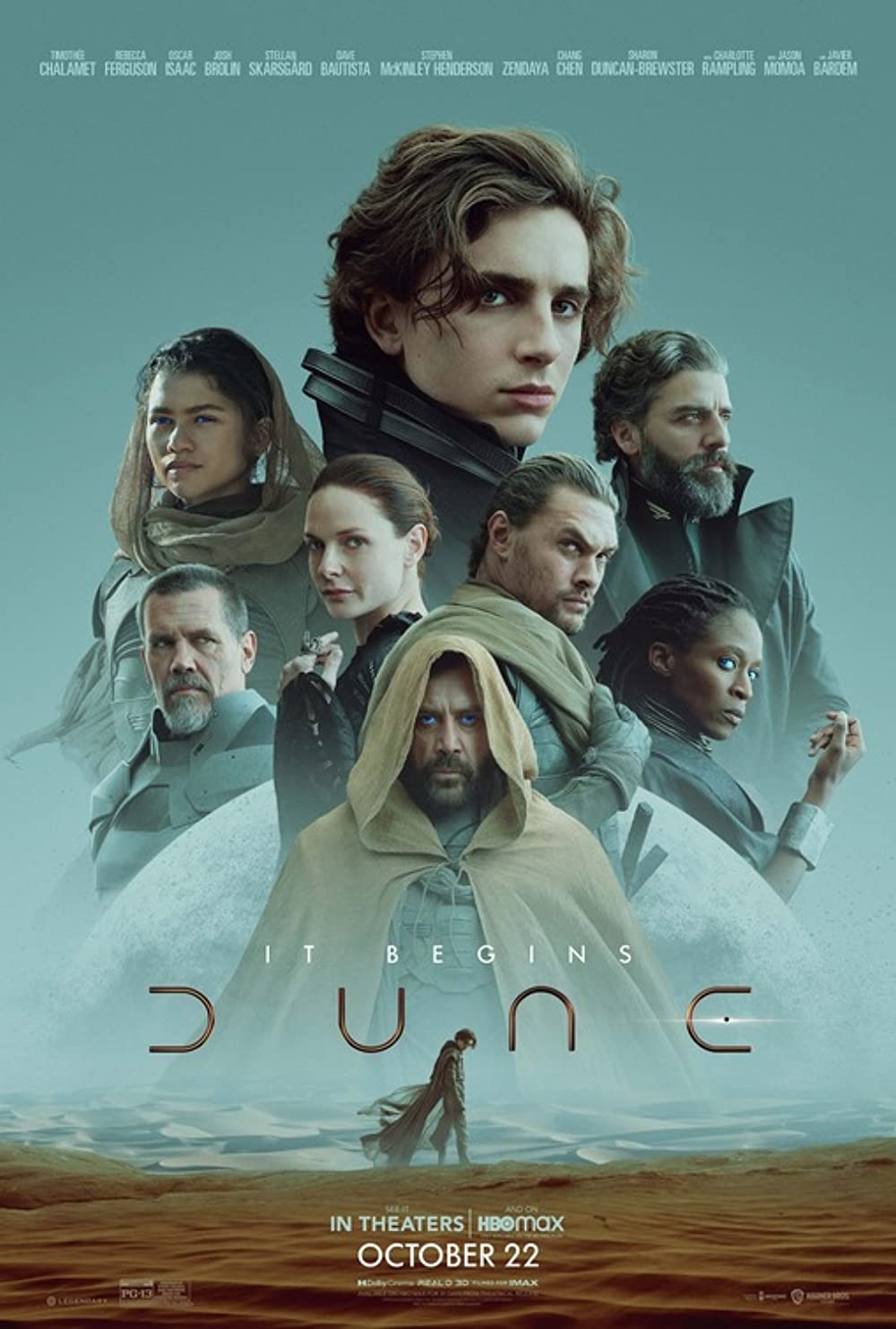
Timothée Chalamet plays Paul Atreides, the son of a powerful Duke (Oscar Isaac) who is loyal to the emperor and his beloved concubine, Lady Jessica (Rebecca Ferguson), who is a member of a group called Bene Gesserit. They are a secretive, nun-like group with magical powers. Remember how Obi-wan Kenobi told the imperial guard “These are not the droids you are looking for” and the guard bought it? The Bene Gesserit has powers like that only to do it they have to use a low-pitched growly voice.

So Paul comes from political and financial power on one side and mystical power on the other, quite a potent mix and as a teenager he is still sorting it all out, especially some weird and possibly predictive dreams he has been having.

The emperor makes a controversial decision to remove one of the Duke’s rival houses, House Harkonnen, from the extremely lucrative desert planet Arrakis, where they have accumulated incalculable wealth from the planet’s precious resource, called spice, by exploiting the environment and abusing the planet’s residents, the Fremen, who are now mostly hiding out literally underground. He orders the Duke to take over, and the Duke and his family dutifully obey. Needless to say, House Harkonnen and its leader the Baron (Stellan Skarsgård in Jabba the Hutt mode) is angry. This means Paul has to contend with all the usual teenage angst and identity issues plus the angry Fremen and possibly some traitorous insiders.

A couple of other points: Arrakis has some indigenous animal life, including a cute mouse creature and some gigantic and extremely scary and lethal sand worms, with mouth-like openings the size of a circus tent. They are attracted to — of all things — rhythmic sounds, like…footsteps. And spice is extremely valuable and can turn users’ eyes blue.

Even if you are confused, you can still be drawn into the story because it is clear who the good and bad and good/bad characters are and who we are supposed to root for. And the visuals are so compelling that the confusing parts make us more curious than frustrated. It is overlong for an origin story, but made with so much thought and story-telling mastery that I’m confident the next chapter will be even better.

Parents should know that this film includes some mild language, some sexual references, and extended sometimes bloody violence including weapons and poison. Major characters are injured and killed, including a parent.

Family discussion: What historic events may have inspired this story? What elements of the story inspired later classic movies?

If you like this, try: The books by Frank Herbert and others like Stranger in a Strange Land and The Foundation Trilogy

Related Tags:


Based on a book DVD/Blu-Ray Epic/Historical Fantasy IMAX movie review Movies -- format Remake Science-Fiction
Trailer: Cinderella — A New Musical With Idina Menzel and Camila Cabello

Trailer: Cinderella — A New Musical With Idina Menzel and Camila Cabello

Posted on August 3, 2021 at 7:35 pm

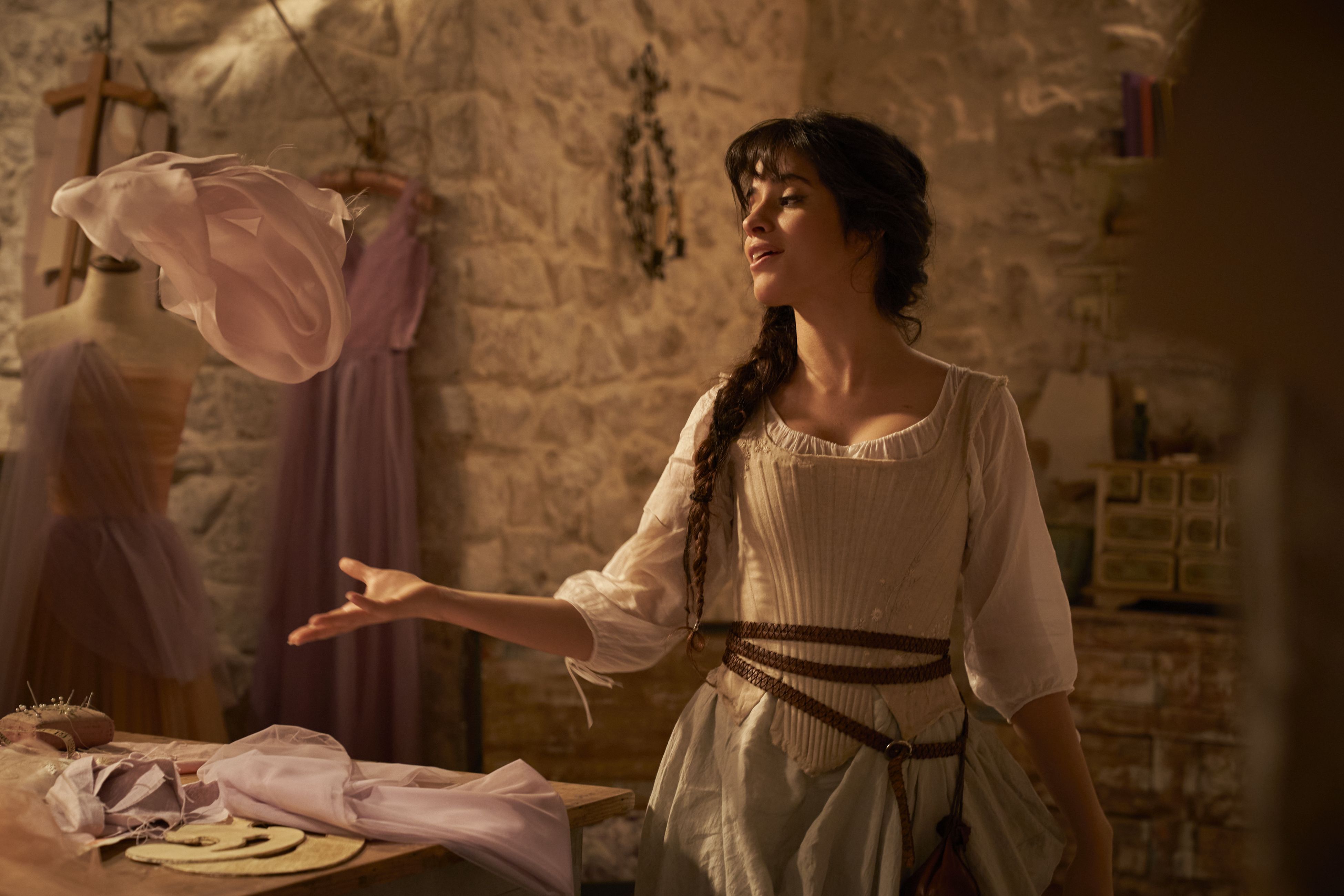
Amazon Prime has a new musical Cinderella story coming in September. Camila Cabello plays the girl with the evil stepmother (“Frozen’s” Idina Menzel) and Billy Porter is the fabulous fairy godmother. But this one has a different spin. Cinderella has ambitions that have nothing to do with marrying a prince. She is a talented dress designer who dreams of a career in fashion. Written and directed by “Pitch Perfect’s” Kay Cannon, it looks like a lot of fun. (Also, I bet there’s some romance as well as all the empowerment stuff.)

Related Tags:


Based on a book Fantasy Musical Remake Romance Trailers, Previews, and Clips
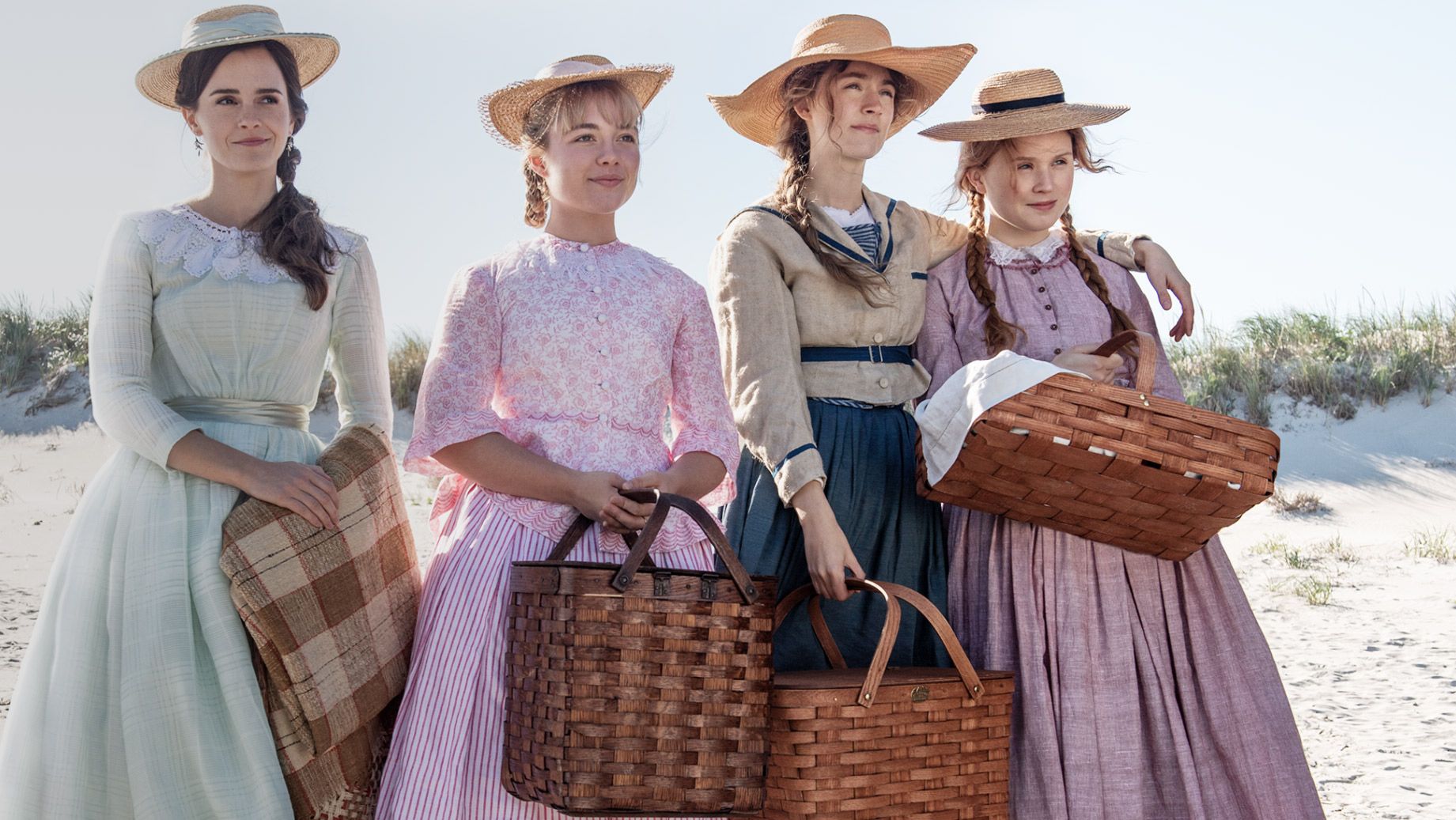
Comparing the American Movie Versions of Little Women

Comparing the American Movie Versions of Little Women

Posted on January 2, 2020 at 8:00 am

For more, see the BBC miniseries, the modern-day remake, the graphic novel and the terrific Meg, Jo, Beth, Amy: The Story of Little Women and Why It Still Matters.

And listen to the dream team of Dana Stevens and Rachel Syme talk about the film on Slate’s Spoiler Special.
Greta Gerwig’s Little Women: Come for the classic; stay for the costumes

Dana Stevens’ cool new word: Poioumenon

Related Tags:


Behind the Scenes Books Original Version Remake
Ferdinand

Ferdinand

Posted on December 14, 2017 at 9:22 pm

B-
Lowest Recommended Age: Kindergarten - 3rd Grade
MPAA Rating: Rated PG for rude humor, action and some thematic elements
Profanity: Some schoolyard language
Alcohol/ Drugs: None
Violence/ Scariness: Cartoon-style peril and violence including slaughterhouse and bullfights.
Diversity Issues: A theme of the movie
Date Released to Theaters: December 15, 2017
Date Released to DVD: March 12, 2018
Copyright BlueSky 2017

I warn you — a “however” is coming, maybe more than one.

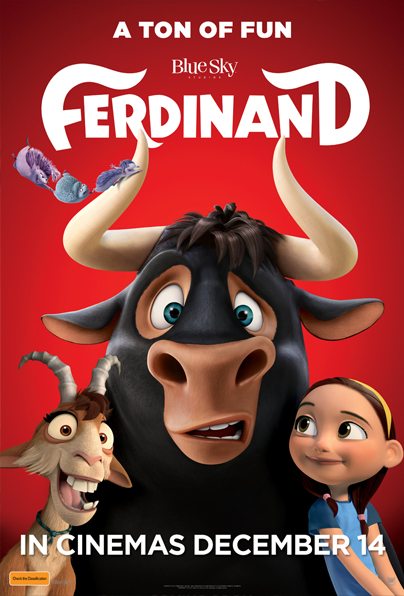
There’s a lot to like in “Ferdinand,” an affectionate version of the book by Munro Leaf about Ferdinand, the bull who did not want to fight; he just wanted to smell the flowers. WWE star John Cena provides a warm, inviting voice for the title character, and Kate McKinnon steals the show as his “calming goat.” The artwork is imaginative and colorful. However, the slight story of the book has been expanded to fill out a feature, and some of the choices are worse than just padding; they are misguided, distracting, even disturbing, especially for the youngest viewers.

Leaf’s original story and the lovely Oscar-winning 1938 Disney animated short are beautifully simple. While most bulls are ferocious and proud to fight matadors, Ferdinand is a gentle soul who just wants to sit under a cork tree and smell the flowers. The men who are looking for the fiercest bull of all arrive just as Ferdinand reacts to being stung by a bee. Mistakenly believing that he is a powerfully furious animal, they bring him to the bullring, where he refuses to fight.

The Disney film is eight minutes long and tells the entire story. This version, from Blue Sky, gives us a meandering tale about Ferdinand, bred in a facility that supplies bulls for bullfighters. As a young calf, he is bullied by the others, especially the alpha bull, Valiente, who suffers from what me might term bovine toxic masculinity.

Ferdinand adores his kind-hearted father (Jeremy Sisto), asking him, “Can I be a champ without fighting?” “I wish the world worked that way for you,” his father says before he leaves for the ring. He never returns home.

Ferdinand runs away and finds a perfect home, a flower farm.  He is adopted by Nina, who is so devoted to him that she has him cuddle on the sofa next to her and sleep in her bed, even after he grows to the size of an SUV.

After an adventure that includes a cleverly-constructed scene in yes, a china shop, Ferdinand ends up back at the ranch, where Lupe (McKinnon), his calming goat, declares that she will be his coach for outsmarting the matador.   Ferdinand learns that the only options for the bulls are the ring or the slaughterhouse. He must rescue two of the bulls who taunted him before they are turned into hamburger, and then find a way to survive the bullring.

McKinnon has the same lighting-fast fluidity of mood and character that made Robin Williams an ideal choice to provide the voice for the genie in “Aladdin.”  She is in constant conversation with her many selves, and it is hilarious.  However.  The palpable padding of the storyline would not be a serious problem except for the misjudgment about the presentation of the fatal options available to the bulls.  It is impossible, even for a child, to watch the rescue from the slaughterhouse without recognizing what all of those scary-awful machines are designed to do.  Parents who do not want to answer some tough questions about dinner — or reconcile themselves to a vegetarian menu — should stick with the Disney version.

Parents should know that this movie has peril and violence, including low-key depictions of a slaughterhouse and a bullfight, as well as some schoolyard language and potty humor.

Family discussion: Why were the other bulls mean to Ferdinand? Why were the horses mean? Why did Ferdinand want to rescue bulls who were mean to him?

If you like this, try: the book and the Disney animated version of this story and the “How to Train Your Dragon” series

Related Tags:


Animation Based on a book DVD/Blu-Ray movie review Remake
THE MOVIE MOM® is a registered trademark of Nell Minow. Use of the mark without express consent from Nell Minow constitutes trademark infringement and unfair competition in violation of federal and state laws. All material © Nell Minow 1995-2026, all rights reserved, and no use or republication is permitted without explicit permission. This site hosts Nell Minow’s Movie Mom® archive, with material that originally appeared on Yahoo! Movies, Beliefnet, and other sources. Much of her new material can be found at Rogerebert.com, Huffington Post, and WheretoWatch. Her books include The Movie Mom’s Guide to Family Movies and 101 Must-See Movie Moments, and she can be heard each week on radio stations across the country.

Website Designed by Max LaZebnik