Sully

Sully

Posted on September 7, 2016 at 2:00 pm

B+
Lowest Recommended Age: Middle School
MPAA Rating: Rated PG-13 for some peril and brief strong language
Profanity: Brief strong language
Alcohol/ Drugs: Acohol
Violence/ Scariness: Intense peril, dire and tense real-life situation, airplane near-crash
Diversity Issues: None
Date Released to Theaters: September 9, 2016
Date Released to DVD: December 19, 2016
Amazon.com ASIN: B01LBWHQRA
Copyright 2016 Warner Brothers

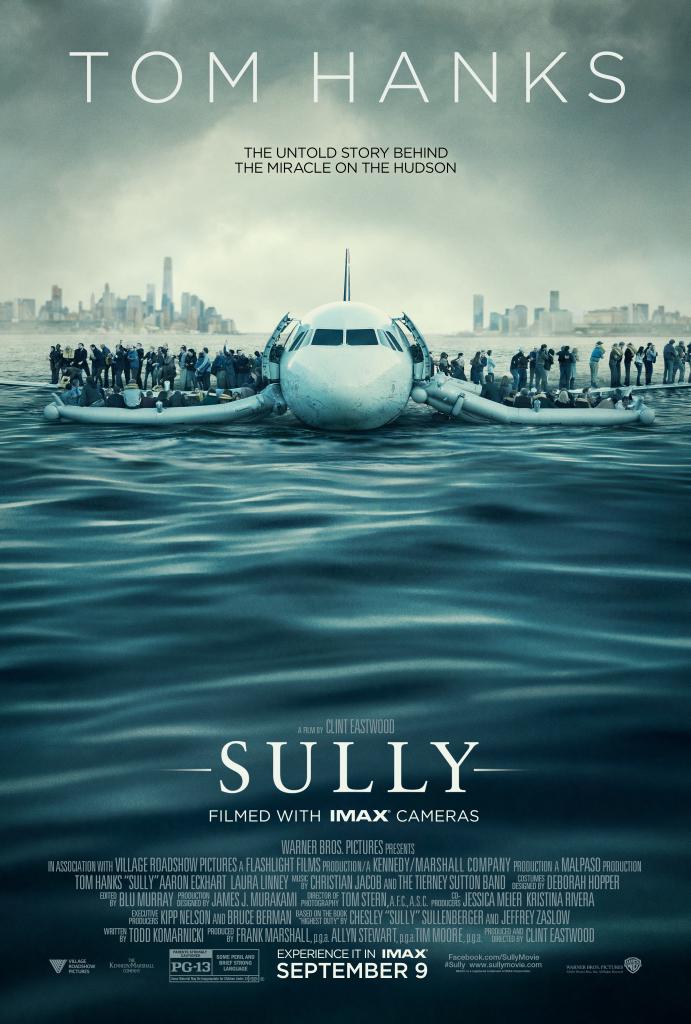
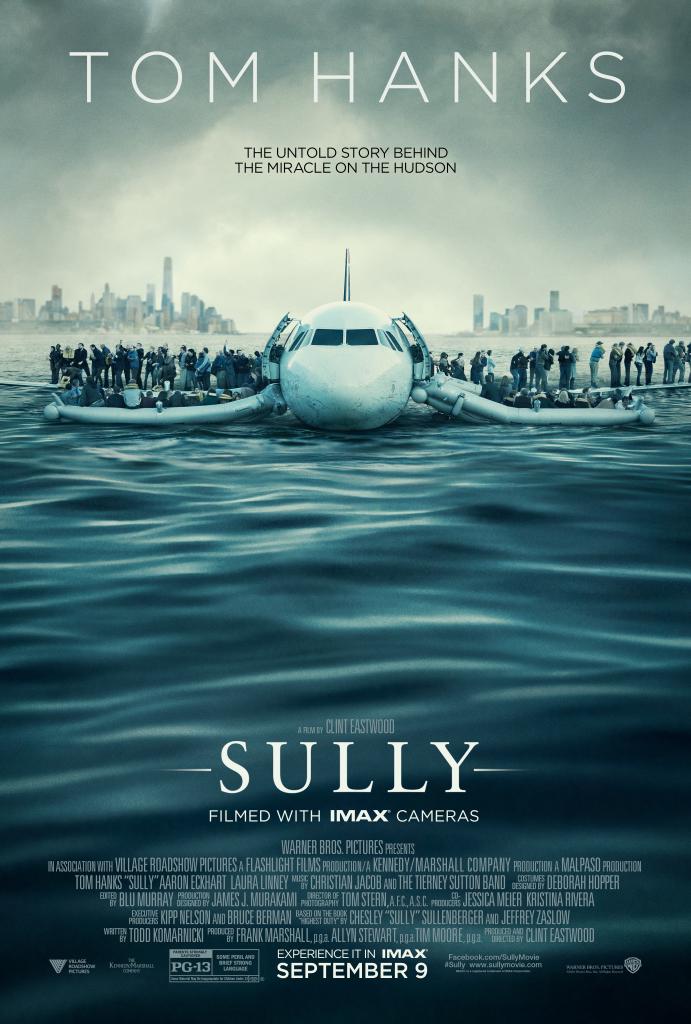
Pay attention to the numbers in “Sully,” the new movie from director Clint Eastwood, with Tom Hanks as “Sully” Sullenberger, the pilot who lost both engines and landed his plane safely on the Hudson River on January 15, 2009. 208 is the number of seconds that Sully and his co-pilot, Jeff Skiles (Aaron Eckhart) had from the time two “bird strikes” took out both of the plane’s engines. 1549 was the number of the United flight, an Airbus A320-214 flying from New York’s LaGuardia Airport to a stopover at Charlotte Douglas International Airport. 155 is the number of people whose lives were saved by Sully’s quick thinking. And 17 — I will let you find out for yourself why that number matters in one of the film’s key turning points.

We know what happened. No one can forget those images of the passengers standing on the wings of the plane on the river in freezing weather. And 208 seconds, no matter how tense and exciting, is not enough for a film. Screenwriter Todd Komarnicki sets the film in the days after the “controlled ditching” (that is the technical term), as Sully and Skiles are lauded as heroes by the media and cross-examined with skepticism by the investigating authorities, overseen by the National Transportation Safety Board. The facts were improbable, even unimaginable. The panel chair (“Glee’s” Mike O’Malley) notes dryly that they have never before listened to the “black box” recording in the presence of the people on the tape. Everyone in the room knows that is because they were all dead. When asked about “the crash,” Skiles interrupts to correct the choice of words: “It was not a crash. It was a ditching, a forced water landing.”

Even Sully, following the intensity of the emergency landing and his concern for what he refers to as the “155 souls” on board, including the crew, is in something of a daze. He is peppered with questions: “When did you last have a drink? Are you having trouble at home?” He is interviewed by Katie Couric and appears with the crew on David Letterman’s show. And yet, he is facing a challenge every bit as daunting and far more complex than losing two engines at a low altitude. There is the relentless, often hostile, dissection of every one of those 208 seconds through an extensive government investigation and the media spotlight, reviewing every decision, every risk assessment, every protocol. Was that second engine really out? Could they have made it to a runway in New Jersey? The only questions tougher and more suspicious than those of the investigators are those Sully asks himself. He is numb from the trauma of the forced landing and especially from the excruciation hours until he was told that all 155 souls were safe.

The script from screenwriter Todd Komarnicki, based in part on Sullenberger’s book, is one of the most well-crafted, tightly constructed screenplays of the year, efficient in providing us the information we need without getting us lost in technical jargon, and making each return to the seconds of crucial decision-making more revealing and more compelling. Hanks, as always, is superb in conveying the ultimate of decency and integrity. And I promise, after this, when they recite the safety details at the beginning of your flight, you will listen.

Parents should know that this movie has extreme, intense peril with some disturbing images. Characters drink and use some strong language.

Family discussion: What experience and character qualities made it possible for Sully to think through his options so quickly and figure out a way to save everyone on board? Were any of the questions they were asked unfair?

If you like this, try: “Apollo 13” and “Captain Phillips,” two other fact-based films with Tom Hanks in charge of a vessel in trouble.
Related Tags:


Based on a true story Drama DVD/Blu-Ray Pick of the Week IMAX
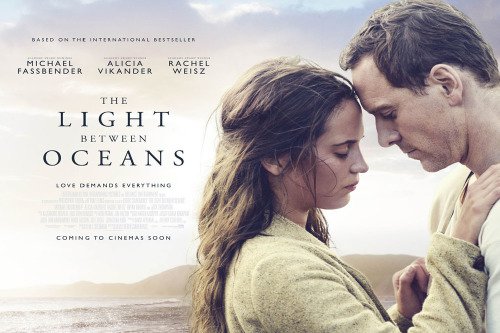
The Light Between Oceans

The Light Between Oceans

Posted on September 1, 2016 at 5:55 pm

B
Lowest Recommended Age: High School
MPAA Rating: Rated PG-13 for thematic material and some sexual content
Profanity: Mild language
Alcohol/ Drugs: None
Violence/ Scariness: Discussion of wartime violence and loss, miscarriages, dead body
Diversity Issues: None
Date Released to Theaters: September 2, 2016
Date Released to DVD: January 23, 2017
Amazon.com ASIN: B01LDWUQ4I

Copyright Disney 2016
The lighthouse is on an island called Janus, and the lighthouse keeper explains that it is named for the two-faced god who is memorialized in the first month of each year, January. One face looks to the past, the other to the future — “two ways of looking at things.”

The theme of duality and perspective resonates throughout this story of the lighthouse keeper, Tom Sherbourne (Michael Fassbender) and his wife Isabel (Alicia Vikander), we see how two ways of looking at things can balance or unbalance each other.

Tom is a WWI veteran who tells the man looking for a temporary lighthouse keeper that he is not worried about the isolation of the job. “I just want to get away from things for a little while.” His mother died and he had a father who was so dictatorial that the regimentation of the military was a relief. We do not learn much about his wartime experiences except that they were brutal. He is, as he later admits, numb. The solitude and order of the lighthouse suits him.

But he meets the lively and warm-hearted Isabel, who impetuously proposes marriage, and realizes how much he had been longing for connection. She tells him, “You still have a light inside you, and I have seen it.” And he writes back, “I’ve never known it was all right to talk about the things I feel.”

They marry and are blissfully happy in their tiny little island. But after two harrowing miscarriages, Isabel is devastated. When a boat washes up near the shore containing a dead man and a crying baby, it seems that providence has given them what they were missing. It seems that way to Isabel. Tom knows that he must put the truth into his log and return the baby to her family. But Isabel is desperately in love with the child and insists that they can give her what she needs. Tom, who has promised to do everything he can to make her happy, agrees.

They adore the baby, who they name Lucy. But when Tom sees a woman sobbing in a graveyard (Rachel Weisz) and realizes she is probably Lucy’s real mother, his conscience begins to torture him. They have inflicted on her the same agony that they suffered.

The story gets soapy, and the tinkly piano score from Alexandre Desplat and scenes of waves crashing on the shore suggest literary pretensions that may work better in the acclaimed novel than they do on screen. But Fassbender and Vikander, two of the most compelling actors ever to appear on film, give powerful performances, and their on-screen chemistry, which turned into real-life romance, holds the film together when the story wavers.

Parents should know that this film has discussion of wartime violence and loss, miscarriages, a dead body, and devastating grief.

Family discussion: Who should raise Lucy? Why did she want to see Tom again? Was Frank right about forgiveness?

If you like this, try: “The Widow of Saint-Pierre”

Related Tags:


Based on a book Drama DVD/Blu-Ray Pick of the Week
Max Rose

Max Rose

Posted on September 1, 2016 at 5:51 pm

B
Lowest Recommended Age: High School
MPAA Rating: Not rated
Profanity: Some strong language
Alcohol/ Drugs: Drinking, prescription drugs
Violence/ Scariness: Sad death
Diversity Issues: None
Date Released to Theaters: September 2, 2016
Copyright 2016 Paladin

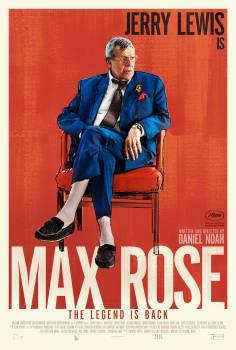
Jerry Lewis is back, playing the title character in “Max Rose,” a longtime jazz musician rocked to discover that his late wife might have been unfaithful. This 2013 film arrives in theaters in 2016, with Lewis giving a performance that is best described with a word not usually thought of for him: subdued. Lewis, then age 86, has learned to trust himself and the audience. He does not have to be big, loud, and needy. He can be quiet, subtle, and patient. The script is under-written, but it is a pleasure to watch Lewis in this mode, along with a bunch of other familiar octogenarian co-stars who bring their decades of experience to the under-written script.

Writer/director Daniel Noah locates us very quickly: some hospital paperwork, a clock ticking, a sympathetic voice asking, “Grandpa, can I get you anything?”

Max was married to Eva (Claire Bloom, lovely and warm in flashbacks), and he believed they were the great loves of each other’s lives. After a lifetime together, he does not know how to begin to live without her. Max has a tense relationship with his son, Christopher (Kevin Pollak). But he is very close to his granddaughter Annie (Kerry Bishé), who is spending much of her time with him, making sure that he eats and trying to make sure he takes his medicine. We see Max outsmarting her on that one. Max hands Annie Eva’s compact, and she smiles in recognition of one of her grandmother’s favorite treasures. But then Max shows Annie the inscription, and while she tries to reassure him that it might not be evidence that she had another relationship, they both know that is its implication.

Max is badly shaken. He questions everything he thought he knew about Eva, their relationship, and the choices he made. How can he reconcile the relationship he thought he had with the idea that Eva’s favorite compact reminded her of someone else every time she looked in the mirror to check her make-up? “I failed my wife, I failed my family, I failed myself.” And yet, he cannot forgive Christopher, now in the midst of his second divorce, for what Max considers Christopher’s own failures as a husband and father.

The story is thin and unconvincing, but it is a pleasure to see Lewis in the role. And in brief appearances, veterans Rance Howard, Dean Stockwell, and Fred Willard make us wish the whole movie was these guys sitting around talking.

Parents should know that the movie has mature material including strong language and sexual references.

Family discussion: What did Max want from his confrontation with the man who gave Eva the compact? Why was he so hard on Christopher?

If you like this, try: “The King of Comedy” and “45 Years”

Related Tags:


Drama Family Issues Movies -- format
Southside With You

Southside With You

Posted on August 25, 2016 at 5:22 pm

A-
Lowest Recommended Age: Middle School
MPAA Rating: Rated PG-13 for brief strong language, smoking, a violent image and a drug reference
Profanity: Brief strong language
Alcohol/ Drugs: Smoking, reference to drugs
Violence/ Scariness: None
Diversity Issues: A theme of the movie
Date Released to Theaters: August 26, 2016
Date Released to DVD: December 12, 2016
Amazon.com ASIN: B01LTHMFPK
Copyright 2016 Miramax

People who make movies know that we are eager to see couples falling in love. If they throw in a chirpy pop song over a montage of the highly attractive pair walking on the beach and laughing together at a street fair, we are happy to believe that they are in love and we can move on to the (short-term) complication before the happy ending.

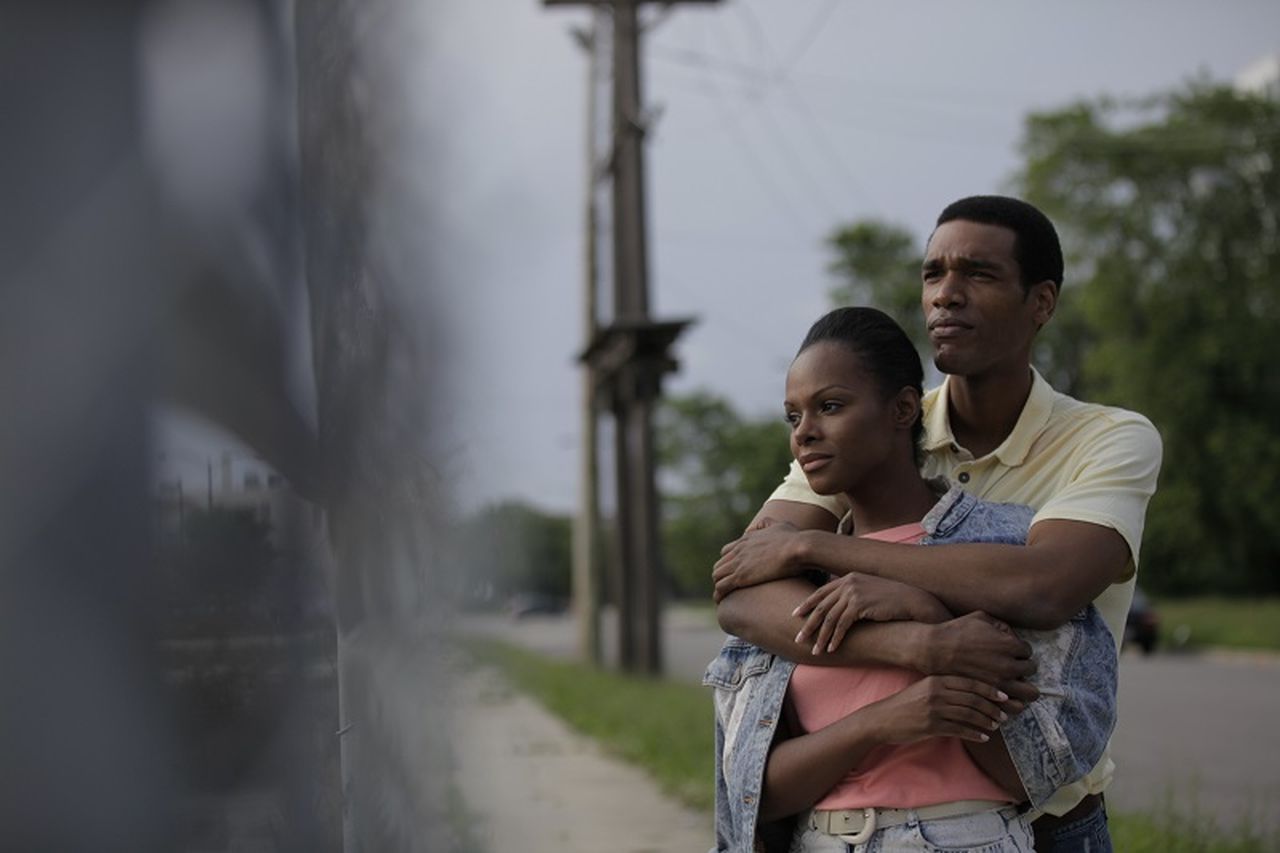
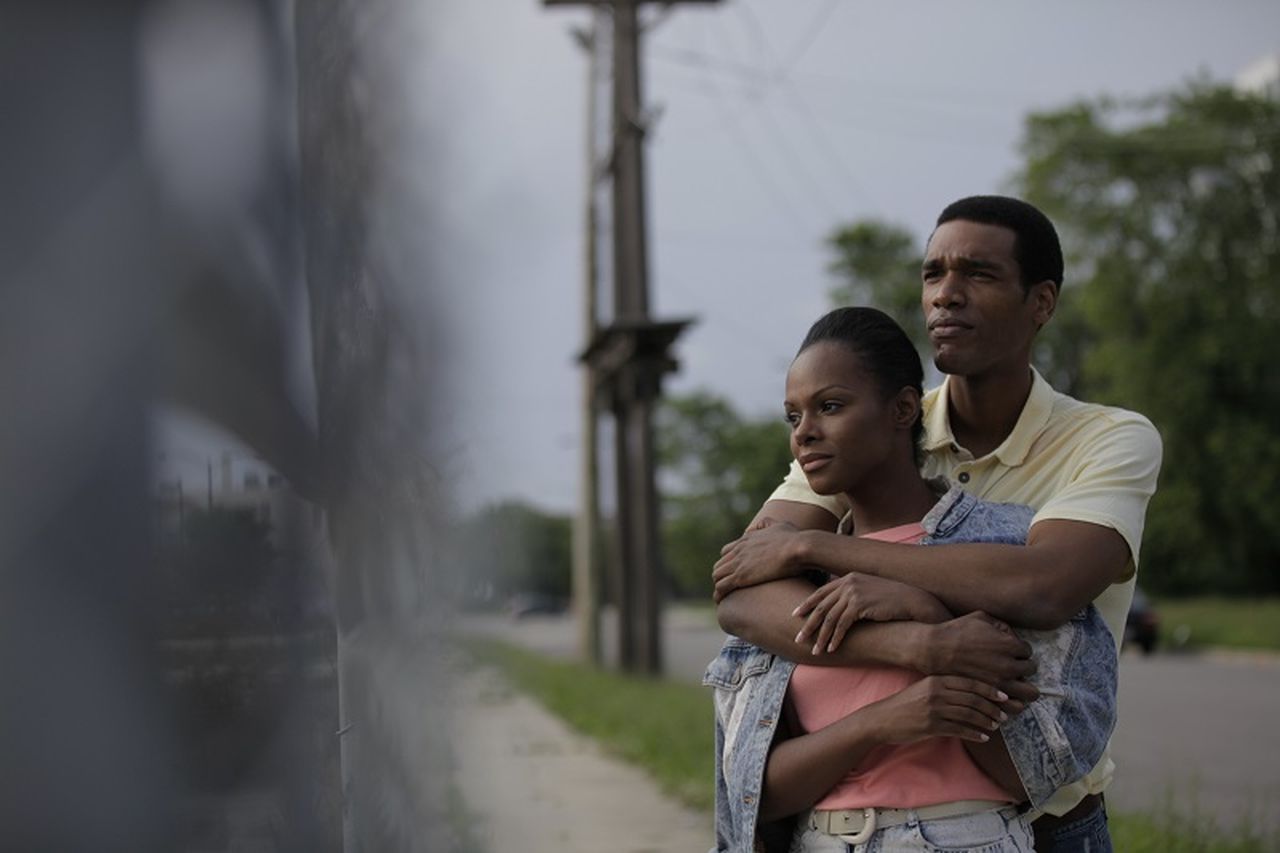
“Southside With You” is a rare movie that shows us what it is really like to fall in love, over the course of an all-day first date. It would still be utterly witty, charming, and captivating even if it was not based on the real-life beginning of the romance of Barack and Michelle Obama. The historical context is primarily significant because we start off with information the characters do not have. We know what they will do and who they will become. But it also is especially meaningful as we come to the end of the Obama administration, and only the most partisan opponents can fail to appreciate their graciousness, elegance, and family values — and the true partnership and romantic spark that is evident in their relationship.

We begin with the amusing contrast of their preparations for the date. Michelle Robinson (Tika Sumpter, who also co-produced) is put together so meticulously that her father (Phillip Edward Van Lear) teases her: “Can’t you at least run a comb through your hair?” She insists to her parents, as she will to Barack, that this is not a date. She is just accompanying the law student she has been assigned to supervise for the summer to a community meeting.

Then there is a glimpse of his “preparation” for the date — smoking and reading a book. And losing track of the time. “You’re late,” she says when he arrives at her home. “I was hoping you wouldn’t notice.” She points out that she is his supervisor and she has noticed his lateness at work as well. She also notices, but does not mention, that the floorboard of his car is rusted through. One of the pleasures of this film is listening in as two extremely intelligent people uncertain about where they are going but certain they want to improve the lives of the people in their communities, getting to know one another through a thoughtful, thought-provoking, and above all honest conversation, especially as we see the growing pleasure each of them feels in finding someone who can both understand and challenge them.

>


Their first stop is an art show. As they look at paintings by Ernie Barnes, Barack asks Michelle if she ever watched the television show, “Good Times.” She says the Robinsons were more of a “Dick van Dyke Show” family, and we can tell she is a bit defensive. Perhaps some of her Princeton classmates assumed that “Good Times,” set in the projects of Chicago, was based on families like hers. But then he tells her why he asked, and we can see her relax and start to appreciate his curiosity, depth, and knowledge. Despite all of her insistence that this is not a date, we can see her begin to get captivated. Each kindly, if not gently, pushes the other, she on his bitterness toward his father, he on her joining a corporate law firm rather than pursuing her goal of working for the community. Each bristles at first at being pushed, but then we see both of them genuinely grateful for being able to engage so honestly.

The talk is superbly written and performed. But some of the moments where nothing is said are just as moving, thanks to the performances of Sawyers and Sumpter, who do not impersonate the First Couple but give portrayals of great sensitivity and wisdom.

The POTUS and FLOTUS we see on television are more polished and self-assured than they were in their 20’s. Sawyers shows us a Barack Obama who was a long way from the understanding and forgiveness toward his absent father he would convey in his book. And yet, when he gets up in front of the community group, people who are disappointed after a setback and ready to give up, we see for the first time some of the cadences and mannerisms and ability to inspire that are so familiar to us now. Sumpter is lovely, with an exquisitely calibrated performance, first less, than more, then much less reserved. She is careful, and professional, and then we see her sense of fun and adventure when she gets up to dance with a group performing in a park. We we see how, despite her resolve, she cannot help being drawn to Barack.

This is a movie that understands that love is a conversation you never want to end, with someone who instinctively understands you and unreservedly supports you but who doesn’t let you get away with being less than you are capable of, someone who earns your absolute honesty. As we see them fall in love, dropping their defenses, allowing themselves to be hopeful, moving together toward a life of service, it renews our faith in love and purpose as well.

A PERSONAL NOTE: The First Couple met when they were both working in my dad’s office, and characters loosely inspired by my parents appear in this film. While I completely support the decision of writer/director Richard Tanne to create a scene with an interaction that is a bit awkward and uncomfortable, in real life my parents are far cooler (and more attractive!) than the characters in the film, and the interaction was warm and supportive. My parents and the Obamas became good friends.

Parents should know that this film includes smoking, brief strong language, drug reference, and some discussion of family dysfunction.

Family discussion: How did the difference in Barack’s and Michelle’s relationships to their parents affect their perspective? What did each of them say to change the other’s mind? What did Michelle learn about Barack at the community event?

If you like this, try: “Before Sunrise” and “Medicine for Melancholy”

Related Tags:


Based on a true story Date movie DVD/Blu-Ray Pick of the Week Race and Diversity Romance
Floyd Norman: An Animated Life

Floyd Norman: An Animated Life

Posted on August 25, 2016 at 12:37 pm

B+
Lowest Recommended Age: 4th - 6th Grades
MPAA Rating: Not rated
Profanity: A bleeped word
Alcohol/ Drugs: Reference to alcohol
Violence/ Scariness: Reference to divorce
Diversity Issues: A theme of the movie
Date Released to Theaters: August 26, 2016
Copyright Michael Fiore Films 2016

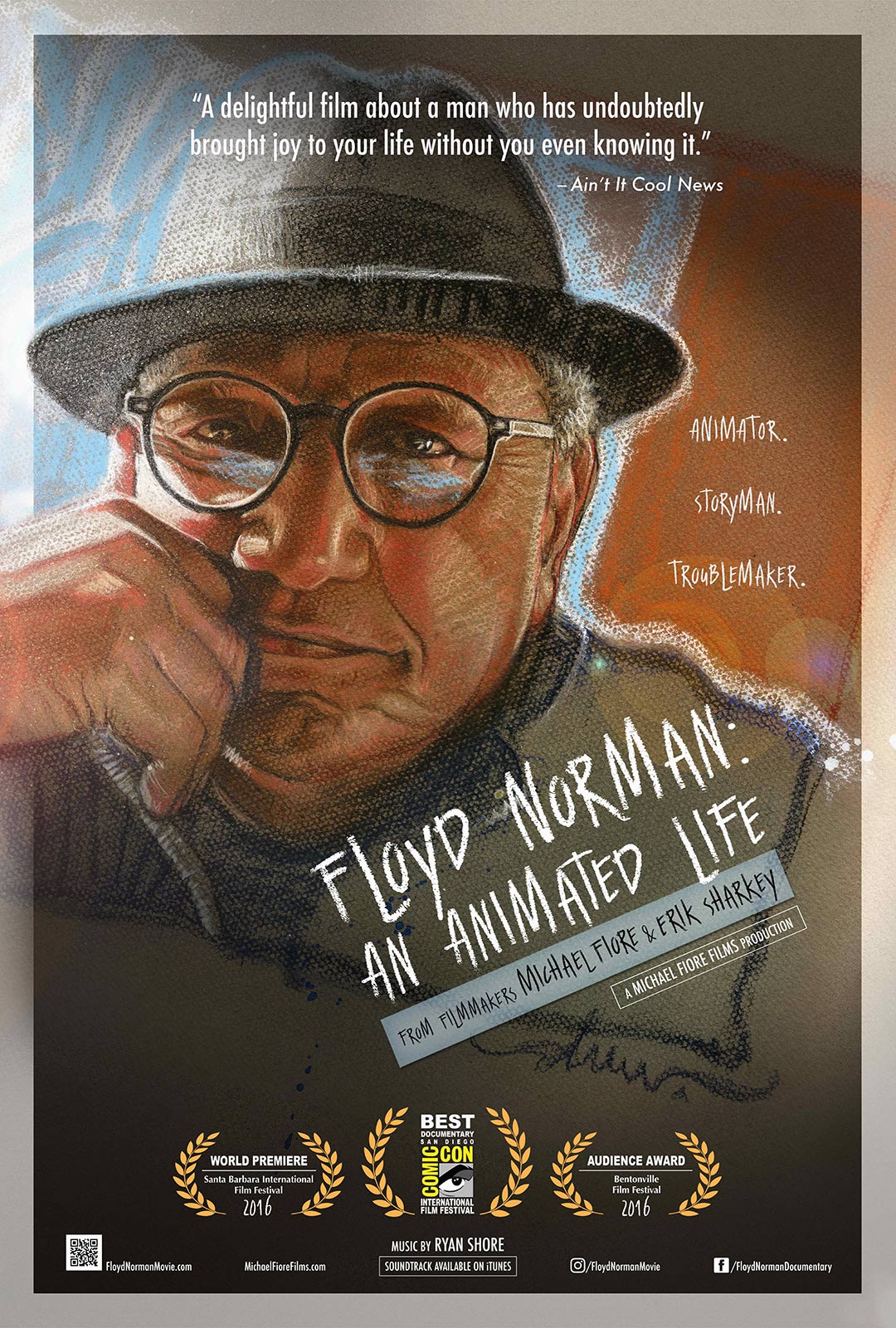
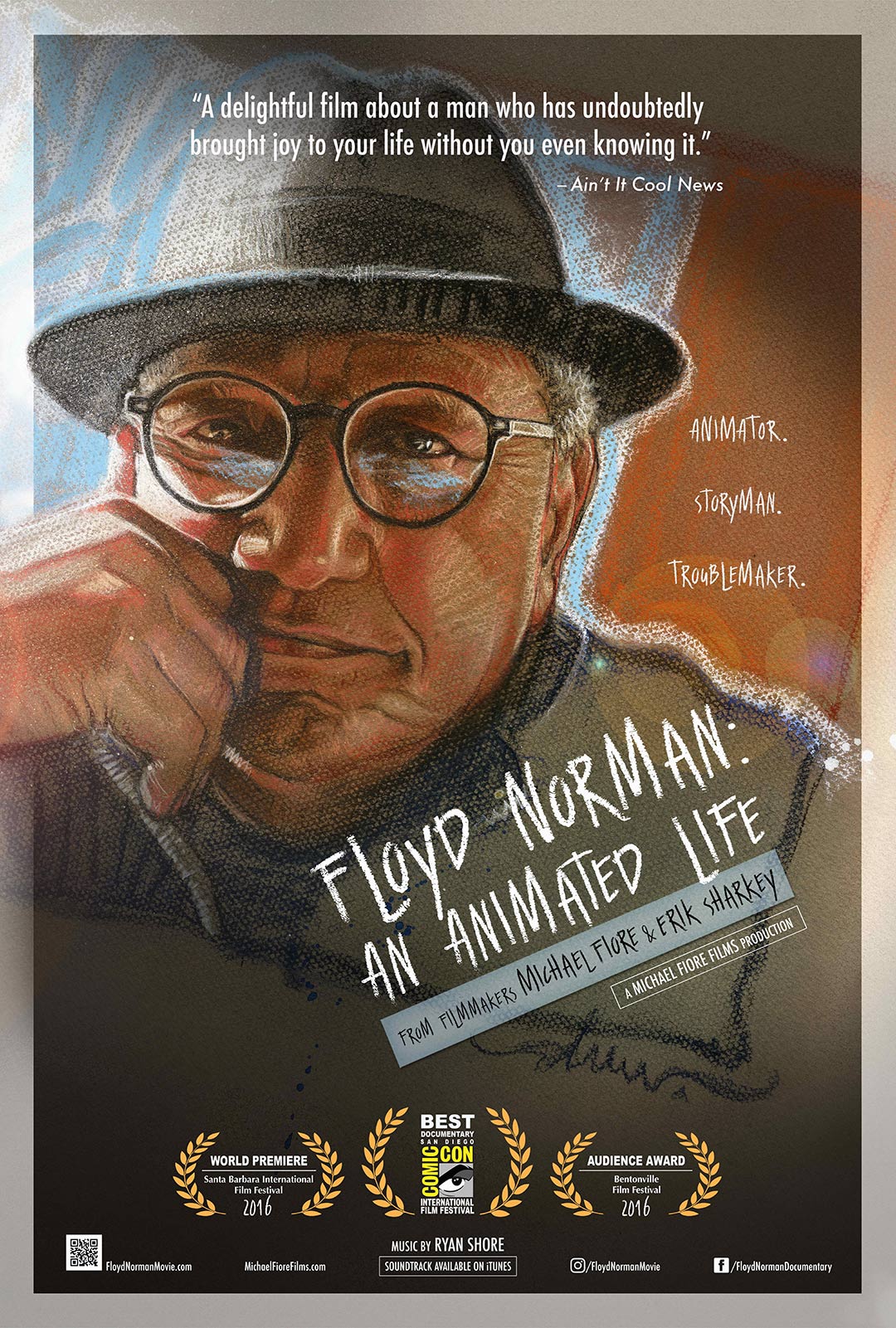
Disney foolishly forced legendary animator Floyd Norman to retire at age 65, but he was not foolish enough to stop coming to work. Every day, he brings his wife Adrienne to her job at Disney, and then he spends the day wandering around, asking questions, talking to people, and generally, to use the portmanteau word Adrienne came up with, “floitering.” “The whole Disney campus is Floyd’s office,” says one colleague. Eventually, Disney realized they could not do without him and they gave up and just hired him again.

This delightful documentary about the very “animated life” of Floyd Norman is a must-see for fans of animation, movie history, and stories of lives filled with creativity, courage, and a sense of adventure. His career extends from the classic “nine old men” era at Disney, where he worked for Walt Disney himself animating the prince, the horse, and the three fairy godmothers in “Cinderella” and Kaa the snake in “The Jungle Book” and the “Jolly Holiday” musical number in “Mary Poppins” to animating, writing, and directing for Hanna-Barbera, Pixar, and for his own company. He used Roy Disney’s camera to go into Watts and shoot footage of the riots that was broadcast on the NBC news, and he worked on iconic Saturday morning cartoon shows like “Fat Albert and the Cosby Kids,” “Johnny Quest,” and “Scooby-Doo.” (The only negative comment the sunny-tempered Norman makes in the whole documentary is a good-natured aside on Scooby — “I hate that dog!”) He even animated the opening logo for “Soul Train.”

Copyright Disney 1968

More characteristic is his description of his childhood in Santa Barbara as “incredibly pleasant.” It was there he saw his first Disney animated film — “Dumbo” and knew that making cartoons would be his life’s work. It didn’t matter that Disney had no black animators. He was “just another kid who wanted to work for Disney,” and when they saw what he could do, they hired him as an “assistant in-betweener” on “Sleeping Beauty,” where he was expected to turn out eight “dead-on precise” completed drawings a day.

One of the highlights of the film is seeing Floyd Norman at San Diego Comic-Con’s Quick Draw, with MAD Magazine artist Sergio Aragonés. But every moment is pure pleasure, as we see the man who is still “in touch with his inner 20-year-old” demonstrate the skill, imagination, and dedication that has been central to much of the most creative entertainment of the past 60 years.

Parents should know that this movie has a bleeped bad word, a sexual reference, and references to drinking and divorce.

Family discussion: Which is your favorite Floyd Norman animation and why? How did he show flexibility and “shape-shifting?”

If you like this, try: “Waking Sleeping Beauty,” “Walt and El Groupo,” and, of course, “The Jungle Book,” and Norman’s other animated classics

Related Tags:


Biography Documentary Film History Movie History Movies -- format Race and Diversity
THE MOVIE MOM® is a registered trademark of Nell Minow. Use of the mark without express consent from Nell Minow constitutes trademark infringement and unfair competition in violation of federal and state laws. All material © Nell Minow 1995-2026, all rights reserved, and no use or republication is permitted without explicit permission. This site hosts Nell Minow’s Movie Mom® archive, with material that originally appeared on Yahoo! Movies, Beliefnet, and other sources. Much of her new material can be found at Rogerebert.com, Huffington Post, and WheretoWatch. Her books include The Movie Mom’s Guide to Family Movies and 101 Must-See Movie Moments, and she can be heard each week on radio stations across the country.

Website Designed by Max LaZebnik