This adorable Nativity play is endearingly natural and the enjoyment we see in Bing Crosby and Ingrid Bergman seems entirely authentic. The play’s dialogue was indeed made up by the children themselves, with the lead played by the son of the film’s musical director, not an actor.
A Christmas Carol is my favorite Christmas story, and the Mr. Magoo version with songs by the team from “Funny Girl” is one of my favorite versions. Here the Cratchit family celebrates with joy.
Any scene from this classic is worth including on a list of best Christmas movie moments, but I’m going to go with the very sweet final scene, with the family finding itself in a Chinese restaurant after their dinner suffers a catastrophe.
A little girl who does not believe in Santa Claus learns he might be real when she sees Kris Kringle (Oscar winner Edmund Gwenn) with a war orphan who does not speak English.
The Alliance of Women Film Journalists has announced our awards nominees for 2018.
AWFJ BEST OF AWARDS
These awards are presented to women and/or men without gender consideration.
Best Film
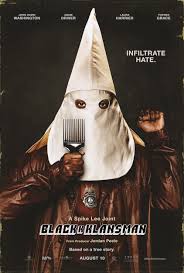
BLACKkKLANSMAN
THE FAVOURITE
GREEN BOOK
LEAVE NO TRACE
ROMA
VICE
Best Director
Alfonso Cuaron – ROMA
Debra Granik – LEAVE NO TRACE
Yorgos Lanthimos – THE FAVOURITE
Spike Lee – BLACKkKLANSMAN
Adam McKay – VICE
Best Screenplay, Original
EIGHTH GRADE – Bo Burnham
THE FAVOURITE – Deborah Davis, Tony McNamara
FIRST REFORMED – Paul Schrader
ROMA – Alfonso Cuaron
VICE – Adam McKay
Best Screenplay, Adapted
BLACK PANTHER – Ryan Coogler, Joe Robert
BLACKkKLANSMAN – Charlie Wachtel, David Rabinowitz, Spike Lee
CAN YOU EVER FORGIVE ME? – Nicole Holofcener, Jeff White
THE HATE U GIVE – Audrey Wells
IF BEALE STREET COULD TALK – Barry Jenkins
LEAVE NO TRACE – Debra Granik, Anne Rossellini
Best Documentary
FREE SOLO – Elizabeth Chai Vasarheliyi, Jimmy Chin
LIYANA – Amanda Kopp, Aaron Kopp
RBG – Julie Cohen, Betsy West
SHIRKERS – Sandi Tan
THREE IDENTICAL STRANGERS – Tim Wardle
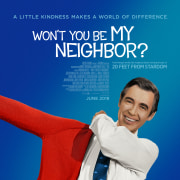
WON’T YOU BE MY NEIGHBOR? – Morgan Neville
Best Animated Film
INCREDIBLES 2 – Brad Bird
ISLE OF DOGS – Wes Anderson
MARY AND THE WITCH’S FLOWER – Hiromasa Yonebayashi, Giles New
RALPH BREAKS THE INTERNET – Phil Johnson, Rick Moore
SMALLFOOT – Karey Kirkpatrick, Jason Reisig
SPIDERMAN INTO SPIDER-VERSE – Bob Perischerri, Peter Ramsay, Rodney Rothman
Best Actress
Yalitza Aparacio – ROMA
Glenn Close – THE WIFE
Olivia Colman – THE FAVOURITE
Viola Davis – WIDOWS
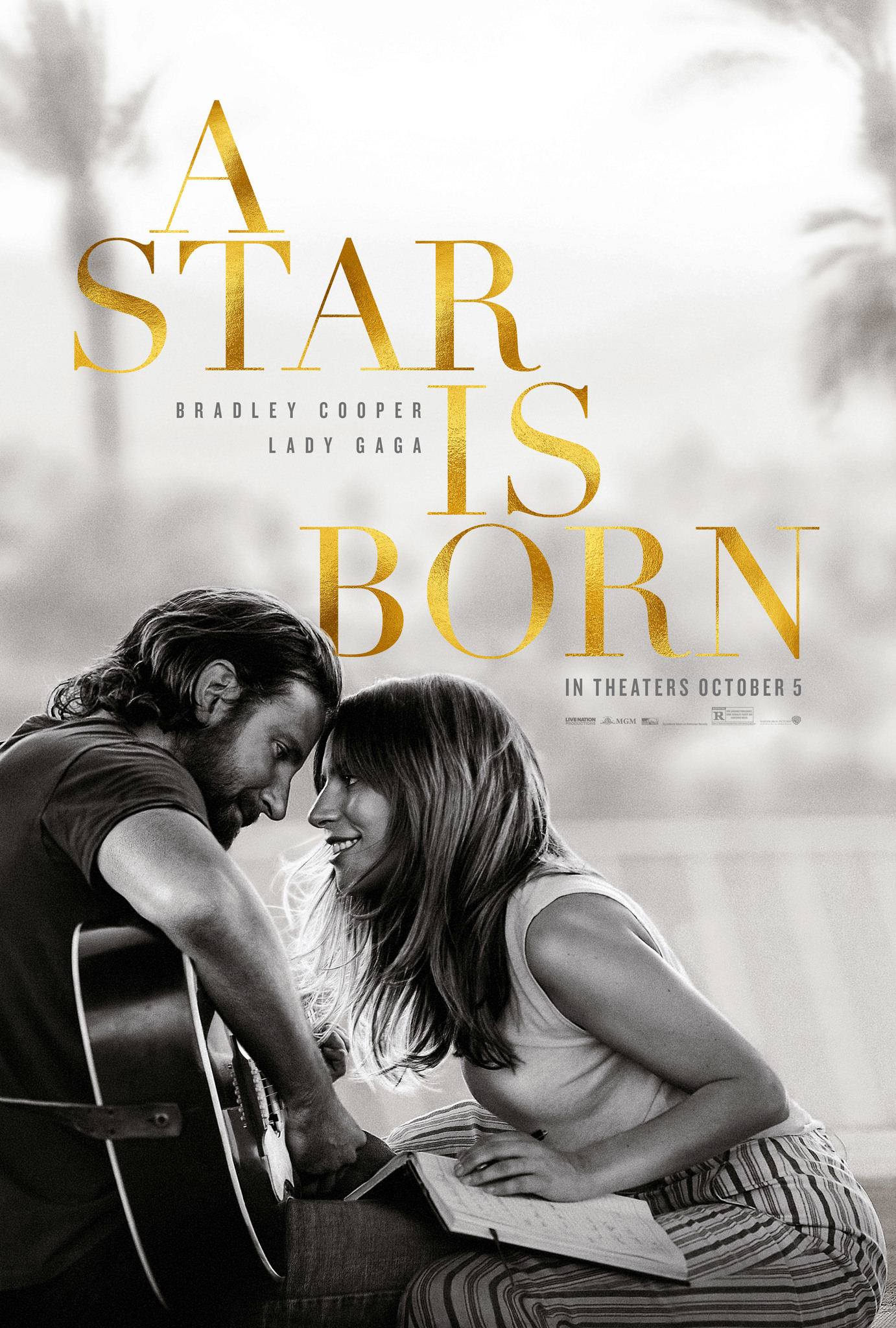
Lady Gaga – A STAR IS BORN
Melissa McCarthy – CAN YOU EVER FORGIVE ME?
Best Actress in a Supporting Role
Amy Adams – VICE
Claire Foy – FIRST MAN
Regina King – IF BEALE STREET COULD TALK
Thomasin McKenzie – LEAVE NO TRACE
Emma Stone – THE FAVOURITE
Rachel Weisz – THE FAVOURITE
Best Actor
Christian Bale – VICE
Willem Dafoe – AT ETERNITY’S GATE
Ben Foster – LEAVE NO TRACE
Ethan Hawke – FIRST REFORMED
Rami Malek – BOHEMIAN RHAPSODY
Viggo Mortensen – GREEN BOOK
Best Actor in a Supporting Role
Mahershala Ali – GREEN BOOK
Steve Carrell – VICE
Adam Driver – BLACKkKLANSMAN
Hugh Grant – Paddington
Richard E Grant – CAN YOU EVER FORGIVE ME?
Michael B Jordan – BLACK PANTHER
Best Ensemble Cast – Casting Director
BLACK PANTHER – Sarah Finn, Casting Director
BLACKkKLANSMAN – Kim Coleman, Casting Director
CRAZY RICH ASIANS – Terry Taylor, Casting Director
THE FAVOURITE – Dixie Chassay, Casting Director
IF BEALE STREET COULD TALK – Cindy Tolan
VICE – Francine Maisler
Best Cinematography
BLACK PANTHER – Rachel Morrison
THE FAVOURITE – Robbie Ryan
FIRST MAN – Linus Sandgren
IF BEALE STREET COULD TALK – James Laxton
ROMA – Alfonso Cuaron
Best Editing
BLACK PANTHER – Debbie Berman, Michael P Shawyer
THE FAVOURITE – Yorgos Mavropsaridis
ROMA – Alfonso Cuaron, Adam Gough
VICE – Hank Corwin
WIDOWS – Joe Walker
Best Non-English-Language Film
BURNING – Lee Chang-dong, Korea
CAPERNAUM – Nadine Labiki, Lebanon
COLD WAR – Pawel Pawlikowski, Poland
ROMA – Alfonso Cuaron, Mexico
SHOPLIFTERS – Hirokazu Kore-eda Japan
EDA FEMALE FOCUS AWARDS
These awards honor WOMEN only.
Best Woman Director
Elizabeth Chomko – WHAT THEY HAD
Debra Granik – LEAVE NO TRACE
Marielle Heller – CAN YOU EVER FORGIVE ME?
Tamara Jenkins – PRIVATE LIFE
Karyn Kusama – DESTROYER
Nadine Labiki – CAPERNAUM
Rungano Nyoni – I AM NOT A WITCH
Sally Potter – THE PARTY
Lynn Ramsay – YOU WERE NEVER REALLY HERE
Chloe Zhao – THE RIDER
Best Woman Screenwriter
Diablo Cody – TULLY
Deborah Davis – THE FAVOURITE (with Tony McNamara)
Debra Granik and Anne Rossellini – LEAVE NO TRACE
Nicole Holofcener – CAN YOU EVER FORGIVE ME? (with Jeff Whitty)
Tamara Jenkins – PRIVATE LIFE
Lynne Ramsay – YOU WERE NEVER REALLY HERE
Audrey Wells – THE HATE U GIVE
Chloe Zhao – THE RIDER
Best Animated Female
Elastagirl, INCREDIBLES 2, Holly Hunter
Gwen Stacy, SPIDER-MAN INTO THE SPIDER-VERSE, Hailee Steinfeld
Meechee, SMALLFOOT, Zendaya
Tracy Walker, ISLE OF DOGS, Greta Gerwig
Vanellope, RALPH BREAKS THE INTRNET, Sarah Silverman
Best Breakthrough Performance
Yalitza Aparacio – ROMA
Elsie Fisher – EIGHTH GRADE
KiKi Layne – IF BEALE STREET COULD TALK
Thomasin McKenzie – LEAVE NO TRACE
Letitia Wright – BLACK PANTHER
Outstanding Achievement by A Woman in The Film Industry
82 women who stood on the Palais des Festivals steps at the Cannes Film Festival to protest gender inequality in festival programming.
Ava DuVernay for hiring women filmmakers for QUEEN SUGAR and other projects.
Megan Ellison for challenging the status quo and producing projects by unique and diverse voices.
Nicole Kidman for a banner year of performances in DESTROYER, BOY ERASED and AQUAMAN, and for opening opportunity or women in production.
Rachel Morrison for paving the road for women cinematographers with her Oscar nomination for MUDBOUND and scoring as DP on BLACK PANTHER.
Shondra Rhimes, Reese Witherspoon and all the women speaking out in the #MeToo movement.
EDA SPECIAL MENTION AWARDS
Actress Defying Age and Ageism
Glenn Close – THE WIFE
Viola Davis – WIDOWS
Nicole Kidman – DESTROYER
Sissy Spacek –THE OLD MAN & THE GUN
TEA WITH THE DAMES – Eileen Atkins, Judi Dench, Joan Plowright, Maggie Smith
Bravest Performance
Toni Collette – HEREDITY
Olivia Colman – THE FAVOURITE
Viola Davis -WIDOWS
Nicole Kidman – DESTROYER
Melissa McCarthy – CAN YOU EVER FORGIVE ME?
Charlize Theron – TULLY
Mary Elizabeth Winstead – ALL ABOUT NINA
Actress Most in Need Of A New Agent
Anna Faris – OVERBOARD
Jennifer Garner – PEPPERMINT
Dakota Johnson – FIFTY SHADES FREED
Jennifer Lawrence – RED SPARROW
Melissa McCarthy – Everything except CAN YOU EVER FORGIVE ME?
Amy Schumer – I FEEL PRETTY
Most Egregious Age Difference Between The Lead and The Love Interest Award
MANDY – Andrea Riseborough and Nicholas Cage
MISSION IMPOSSIBLE FALLOUT – Rebecca Ferguson and Tom Cruise
OVERBOARD – Anna Faris and Eugenio Derbez
RED SPARROW – Jennifer Lawrence and Joel Edgerton
SIBERIA – Ana Ularu and Keanu Reeves
Remake or Sequel That Shouldn’t Have Been Made
DEATHWISH
FIFTY SHADES FREED
OVERBOARD
THE PREDATOR
ROBIN HOOD
AWFJ Hall of Shame Award
Abusers Weinstein, Moonves, CK, Rush, Franco, Singer, Rose, Lauer, et al
FIFTY SHADES FREED
THE HAPPYTIME MURDERS
RED SPARROW
According to findings from the Creative Artists Agency and shift7, a company started by the former United States chief technology officer Megan Smith, the top movies from 2014 to 2017 starring women earned more than male-led films, whether they were made for less than $10 million or for $100 million or more.
The research also found that films that passed the Bechdel test — which measures whether two female characters have a conversation about something other than a man — outperformed those that flunked it.
That may be, as one of the study’s authors notes, that it is harder to get financing for a woman-led film, so the extra hurdles mean that only the best get made. It may be that executives are willing to bet on a film with a popular male star, even if the script is weak, but not a female star. It will be interesting to see if this research leads to any changes in the way productions are greenlit.
National Film Registry Adds “Brokeback Mountain,” “My Fair Lady,” and More
Posted on December 12, 2018 at 12:42 pm
The Library of Congress announced Wednesday that the films Jurassic Park, Brokeback Mountain and My Fair Lady are among the 25 movies tapped for preservation this year.
“These cinematic treasures must be protected because they document our history, culture, hopes and dreams,” Carla Hayden, the Librarian of Congress, said in a statement.
A forbidden love affair, the ravages of alcoholism, an animated classic, a kiss that broke the color barrier and dinosaurs returned from extinction represent the diversity of the class of 2018. This year’s films span 107 years, from 1898 to 2005. They include blockbusters, documentaries, silent movies, animation and independent films. The 2018 selections bring the number of films in the registry to 750, which is a small fraction of the Library’s vast moving-image collection of 1.3 million.
The public can tune into Turner Classic Movies (TCM) at 8 p.m. E.T. tonight to view a selection of motion pictures named to the registry this year. The Librarian joins movie critic Leonard Maltin to discuss the films. Also, select titles from 30 years of the National Film Registry are also freely available online in the National Screening Room. Follow the conversation about the class of 2018 on Twitter at @librarycongress and #NatFilmRegistry.
Among this year’s selections are Alfred Hitchcock’s 1940 thriller “Rebecca”; film noir classics “Leave Her to Heaven” (1945) and “The Lady From Shanghai” (1947), which was directed by Orson Welles; Disney’s 1950 animation “Cinderella”; “Days of Wine and Roses,” Blake Edwards’ uncompromising commentary about alcoholism (1962); James L. Brooks’ 1987 treatise on the tumultuous world of television news, “Broadcast News” and Steven Spielberg’s groundbreaking 1993 tale about the rebirth of dinosaurs, “Jurassic Park.”
Two contemporary Western dramas headline this year’s list: the 1961 “One-Eyed Jacks,” Marlon Brando’s only directorial endeavor, and Ang Lee’s critically acclaimed “Brokeback Mountain.” Released in 2005, “Brokeback Mountain” also has the distinction of becoming the newest film on the registry while the 1891 “Newark Athlete” actuality is the oldest.
“I didn’t intend to make a statement with ‘Brokeback Mountain,’” Lee said. “I simply wanted to tell a purely Western love story between two cowboys. To my great surprise, the film ended up striking a deep chord with audiences; the movie became a part of the culture, a reflection of the darkness and light—of violent prejudice and enduring love—in the rocky landscape of the American heart. More than a decade has passed since ‘Brokeback Mountain’ was released, but I hope that this film, a small movie with wide open spaces, continues to express something both fresh and fundamental about my adopted country.”
Music is spotlighted in the popular 1949 musical “On the Town,” starring Gene Kelly, Frank Sinatra and Jules Munshin as three sailors on shore leave in New York City. Also included is the seminal music-festival film “Monterey Pop,” featuring some of the biggest names in music. It was directed by D.A. Pennebaker and produced by John Phillips and Lou Adler.
“I am extremely pleased and proud as I am sure John Phillips would be that ‘Monterey Pop’ has been selected for inclusion in the National Film Registry,” said Adler. “Pleased that the film brings recognition to the artists involved in a cultural explosion of music festivals and celebrates a generation in tune with music and love.
Proud to have collaborated with D.A. Pennebaker who crafted a film that perfectly documented the time, the music and introduced a genre of film making to be honored forever…long after June 16, 17 and 18, 1967 as proven by this selection.”
“It was for us a vast undertaking,” Pennebaker said. “We were using all five of our homemade cameras, some with twelve hundred foot reels we’d never tried before, praying they’d all work, and that it turned out as wonderful as it did I can still scarcely believe. But every camera was guided by an artist, some for the first time, looking for the poetry of the music and its artists as never before. It was an inspired crew and every member of it earned this selection into the National Film Registry. They were the best.”
Several films on the registry showcased the ethnic diversity of American cinema. Footage from the Dixon-Wanamaker expedition in 1908 provides glimpses into the lives and culture of various Native American tribes. This year’s list also includes a contemporary film showcasing Native Americans in “Smoke Signals” (1998). It was the first feature film to be written, directed and co-produced by American Indians.
The 1997 “Eve’s Bayou” was written and directed by black female director Kasi Lemmons and co-produced by Samuel L. Jackson, who stars in this family drama.
“It’s such an honor to return from production on my fifth film, ‘Harriet,’ to find that my first, ‘Eve’s Bayou,’ is being included in the National Film Registry,” Lemmons said. “As a Black woman filmmaker it is particularly meaningful to me, and to future generations of filmmakers, that the Library of Congress values diversity of culture, perspective and expression in American cinema and recognizes ‘Eve’s Bayou’ as worthy of preservation. I’m thrilled that ‘Eve’s Bayou’ is being included in the class of 2018!”
The short animated film, “Hair Piece: A Film for Nappy-Headed People,” was produced by one of the first black female animators, Ayoka Chenzira. “For my independently produced animated experimental film to be included in the National Film Registry is quite an honor,” said Chenzira. “I never imagined that ‘Hair Piece’ would be considered to have cultural significance outside of its original intent, which was a conversation and a love letter to Black women (and some men) about identity, beauty and self-acceptance in the face of tremendous odds.”
African-Americans are also shown kissing in a 29-second silent film. Shot in 1898, it is the earliest known footage of black intimacy on screen. Other silent film titles include the 1917 “The Girl Without a Soul” and Buster Keaton’s 1924 “The Navigator.” In 2013, the Library of Congress released a report that conclusively determined that 70 percent of the nation’s silent feature films have been lost forever and only 14 percent exist in their original 35 mm format.
“The Informer,” the 1935 drama that takes place during the Irish Rebellion of 1922, becomes the 11thfilm directed by John Ford to be named to the registry, the most of any other director. Other titles on the registry include the 1953 “Pickup on South Street,” the 1955 “Bad Day at Black Rock” and the Academy Award-winning Vietnam documentary “Hearts and Minds” (1974), directed by Peter Davis.
Under the terms of the National Film Preservation Act, each year the Librarian of Congress names to the National Film Registry 25 motion pictures that are “culturally, historically or aesthetically” significant. The films must be at least 10 years old. More information about the National Film Registry can be found at loc.gov/film.
The Librarian makes the annual registry selections after conferring with the distinguished members of the National Film Preservation Board (NFPB) and a cadre of Library specialists. Also considered were more than 6,300 titles nominated by the public. Nominations for next year will be accepted through the fall at loc.gov/programs/national-film-preservation-board/film-registry/nominate/.
In addition to advising the Librarian of Congress on the annual selection titles to the National Film Registry, the NFPB also provides counsel on national preservation planning policy. In that capacity, it issued the following statement: “In addition to its preservation message, the NFPB encourages colleges and universities to enhance their focus on the history of cinema as an original and integrated art. Visual storytelling has grown from its early 20th-century origins to become a literary medium that needs more recognition.”
Many titles named to the registry have already been preserved by the copyright holders, filmmakers or other archives. In cases where a selected title has not already been preserved, the Library of Congress Packard Campus for Audio Visual Conservation works to ensure that the film will be preserved by some entity and available for future generations, either through the Library’s motion picture preservation program or through collaborative ventures with other archives, motion picture studios and independent filmmakers.
The Packard Campus is a state-of-the-art facility where the nation’s library acquires, preserves and provides access to the world’s largest and most comprehensive collection of films, television programs, radio broadcasts and sound recordings (loc.gov/avconservation/). It is home to more than 7 million collection items.
The Library of Congress is the world’s largest library, offering access to the creative record of the United States — and extensive materials from around the world — both on-site and online. It is the main research arm of the U.S. Congress and the home of the U.S. Copyright Office. Explore collections, reference services and other programs and plan a visit at loc.gov; access the official site for U.S. federal legislative information at congress.gov; and register creative works of authorship at copyright.gov.
2018 National Film Registry (alphabetical order)
Bad Day at Black Rock (1955) Though only 81 minutes in length, “Bad Day” packs a punch. Spencer Tracy stars as Macreedy, a one-armed man who arrives unexpectedly one day at the sleepy desert town of Black Rock. He is just as tight-lipped at first about the reason for his visit as the residents of Black Rock are about the details of their town. However, when Macreedy announces that he is looking for a former Japanese-American Black Rock resident named Komoko, town skeletons suddenly burst into the open. In addition to Tracy, the standout cast includes Robert Ryan, Anne Francis, Lee Marvin, Ernest Borgnine and Dean Jagger. Director John Sturges displays the western landscape to great advantage in this CinemaScope production.
Broadcast News (1987) James L. Brooks wrote, produced and directed this comedy set in the fast-paced, tumultuous world of television news. Shot mostly in dozens of locations around the Washington, D.C. area, the film stars Holly Hunter, William Hurt and Albert Brooks. Brooks makes the most of his everyman persona serving as Holly Hunter’s romantic back-up plan while she pursues the handsome but vacuous Hurt. Against the backdrop of broadcast journalism (and various debates about journalist ethics), a grown-up romantic comedy plays out in a smart, savvy and fluff-free story whose humor is matched only by its honesty.
Brokeback Mountain (2005) “Brokeback Mountain,” a contemporary Western drama that won the Academy Award for best screenplay (by Larry McMurtry and Diana Ossana) and Golden Globe awards for best drama, director (Ang Lee) and screenplay, depicts a secret and tragic love affair between two closeted gay ranch hands. They furtively pursue a 20-year relationship despite marriages and parenthood until one of them dies violently, reportedly by accident, but possibly, as the surviving lover fears, in a brutal attack. Annie Proulx, the Pulitzer Prize-winning author of the short story upon which the film was based, described it as “a story of destructive rural homophobia.” Haunting in its unsentimental depiction of longing, lonesomeness, pretense, sexual repression and ultimately love, “Brokeback Mountain” features Heath Ledger’s remarkable performance that conveys a lifetime of self-torment through a pained demeanor, near inarticulate speech and constricted, lugubrious movements. In his review, Newsweek’s David Ansen wrotes that the film was “a watershed in mainstream movies, the first gay love story with A-list Hollywood stars.” “Brokeback Mountain” has become an enduring classic.
Cinderella (1950) It would take the enchanted magic of Walt Disney and his extraordinary team to revitalize a story as old as Cinderella. Yet, in 1950, Disney and his animators did just that with this version of the classic tale. Sparkling songs, high-production value and bright voice performances have made this film a classic from its premiere. Though often told and repeated across all types of media, Disney’s lovely take has become the definitive version of this classic story about a girl, a prince and a single glass slipper. Breathtaking animation fills every scene, including what was reportedly Walt Disney’s favorite of all Disney animation sequences: the fairy godmother transforming Cinderella’s “rags” into an exquisite gown and glass slippers.
Days of Wine and Roses (1962) “Days of Wine and Roses” marked another in a series of Hollywood classics on the touchy subject of alcoholism. Previous examples on the theme include “The Lost Weekend” and “Come Back, Little Sheba.” Though his career prior to “Days” had been noted for a deft touch in light comedy, in this Academy Award-nominated performance, Jack Lemmon plays a hard-drinking San Francisco public-relations man who drags his wife Lee Remick into the horrific descent into alcoholism. Director Blake Edwards pulls no punches in this uncompromisingly bleak film. Henry Mancini composed the moving score, best remembered for the title song he and Johnny Mercer wrote, which won an Academy Award for best original song.
Dixon-Wanamaker Expedition to Crow Agency (1908) The original nitrate footage that comprises the 1908 “Dixon-Wanamaker Expedition to Crow Agency” was discovered in a Montana antique store in 1982 and subsequently donated to the Human Studies Film Archives, Smithsonian Institution. It is the only known surviving film footage from the 1908 Rodman Wanamaker-sponsored expedition to record American Indian life in the west, filmed and produced both for an educational screening at Wanamaker’s department store in Philadelphia and to document what Wanamaker and photographer Joseph K. Dixon considered a “vanishing race.” Dixon and his son Roland shot motion picture film as well as thousands of photographs (most of the photographs are archived at Indiana University). This film captures life on Crow Agency, Crow Fair and a recreation of the Battle of Little Big Horn featuring four of Custer’s Crow scouts. Films from later Wanamaker expeditions are archived at the National Archives and the American Museum of Natural History. The original film was photochemically preserved at Cinema Arts in 1983.
Eve’s Bayou (1997) Written and directed by Kasi Lemmons and co-produced by co-star Samuel L. Jackson, “Eve’s Bayou” proved one of the indie surprises of the 1990s. The film tells a Southern gothic tale about a 10-year-old African-American girl who, during one long, hot Louisiana summer in 1962, discovers some harsh truths beneath her genteel family’s fragile façade. The film’s standout cast includes Jackson, Lynn Whitfield, Debbi Morgan, Diahann Carroll, Lisa Nicole Carson, Branford Marsalis and the remarkable Jurnee Smolett, who plays the lead. The tag line of this film was very apropos: “The secrets that hold us together can also tear us apart.”
The Girl Without a Soul (1917) George Eastman Museum founding film curator James Card was a passionate devotee of silent film director John H. Collins’ work. It is through his influence that the museum is the principal repository of the director’s few extant films. As the expert on Collins’ legacy, the museum said he is “one of the great ‘What if…?’ figures of American cinema—a brilliantly creative filmmaker who went from being a costume department assistant to a major director within four short years, before dying at the age of 31 in the 1918 influenza pandemic. Collins’ films show both a subtle understanding of human nature and often breathtakingly daring cinematography and editing. The ‘Girl Without a Soul’ stars Viola Dana (to whom Collins was married) in a dual role as twin sisters, one of whom is a gifted violinist, and the other, a deeply troubled girl jealous of her sister’s abilities and the love bestowed upon her by their violinmaker father. This jealousy and the violinist sister’s unworldliness lead both into turbulent moral conflict, which takes considerable fortitude from both to overcome.” “The Girl Without a Soul” has been preserved by George Eastman Museum.
Hair Piece: A Film for Nappy-Headed People (1984) “Hair Piece” is an insightful and funny short animated film examining the problems that African-American women have with their hair. Generally considered the first black woman animator, director Ayoka Chenzira was a key figure in the development of African-American filmmakers in the 1980s through her own films and work to expand opportunities for others. Writing in the New York Times, critic Janet Maslin lauded this eccentric yet jubilant film. She notes the narrator “tells of everything from the difficulty of keeping a wig on straight to the way in which Vaseline could make a woman’s hair ”sound like the man in ‘The Fly’ saying ‘Help me!’”
Hearts and Minds (1974) Director Peter Davis describes his Academy Award-winning documentary “Hearts and Minds” (1974) as “an attempt to examine why we went to Vietnam, what we did there and what the experience did to us.” Compared by critics at the time to Marcel Ophuls’ acclaimed documentary “The Sorrow and the Pity” (1971), “Hearts and Minds,” similarly addressed the wartime effects of national myths and prejudices by juxtaposing interviews of government officials, soldiers, peasants and parents, cinéma vérité scenes shot on the home front and in South Vietnam, clips from ideological Cold War movies, and horrific archival footage. Author Frances FitzGerald praised the documentary as “the most moving film I’ve ever seen on Vietnam, because, for the first time, the camera lingers on the faces of Vietnamese and one hears their voices.” Author David Halberstam said it “brilliantly catches … the hidden, unconscious racism of the war.” Others from both ends of the political spectrum chided it as manipulative propaganda that oversimplified complexities.
Hud (1963) Paul Newman received his third Oscar nomination for his portrayal of the title character, the handsome, surly and unscrupulous bad-boy son of a Texas rancher who locks horns with his father over business and family matters. Loosely based on Larry McMurtry’s debut novel, “Horseman, Pass By,” the film received seven Academy Award nominations, winning three: Patricia Neal (best actress), Melvyn Douglas (best supporting actor) and James Wong Howe (black-and-white cinematography). Motion Picture Academy President John Bailey in 2017 chronicled the production of the film and summed up some of his impressions of the film’s relevance 55 years after its release: “Naked and narcissistic self-interest have always been a dark undercurrent to the limpid surface stream of American optimism and justice, but it is not a reach to see the character of Hud as an avatar of the troubling cynicism of that other side of American Populism — the side that espouses a fake concern for one’s fellow man while lining one’s own pockets. Hud, a lothario at the wheel of his crashed convertible, raising a shroud of dust clouds in its trail, is nothing more than a flimflam 19th century snake-oil salesman and carnival barker. His type erupts over and over onto America’s psyche like a painful pustule.”
The Informer (1935) This marks the 11th film directed by John Ford to be named to the National Film Registry, the most of any director. “The Informer” depicts with brutal realism the life of an informant during the Irish Rebellion of 1922, who turns in his best friend and then sees the walls closing in on him in return. Critic Andre Sennwald, writing in the New York Times, praised Ford’s direction: “In his hands ‘The Informer’ becomes at the same time a striking psychological study of a gutter Judas and a raw impressive picture of the Dublin underworld during the Black and Tan terror.” Ford and cinematographer Joseph August borrowed from German expressionism to convey the Dublin atmosphere. To this point, Ford had compiled a solid workmanlike career as he learned his craft. “The Informer” placed him in the top echelon of American film directors and over the next 20 years he crafted numerous other classics, from the 1939 “Stagecoach” through the 1962 “The Man Who Shot Liberty Valance.”
Jurassic Park (1993) The concept of people somehow existing in the age of dinosaurs (or dinosaurs somehow existing in the age of people) has been explored in film and on television numerous times. No treatment, however, has ever been done with more skill, flair or popcorn-chomping excitement than this 1993 blockbuster. Set on a remote island where a man’s toying with evolution has run amok, this Steven Spielberg classic ranks as the epitome of the summer blockbuster. “Jurassic Park” was the top public vote-getter this year.
The Lady From Shanghai (1947) The camera is the star in this stylish film noir. “Lady From Shanghai” is renowned for its stunning set pieces, the “Aquarium” scene, “Hall of Mirrors” climax, baroque cinematography and convoluted plot. Director Orson Welles had burst on the scene with “Citizen Kane” in 1941 and “The Magnificent Ambersons” in 1942, but had increasingly become seen as difficult to work with by the studios. As a result, Welles spent most of his career outside the studio sphere. “The Lady From Shanghai” marked one of his last films under a major studio (Columbia) with Welles and the executives frequently clashing over the budget, final editing of the film and the release date.
Leave Her to Heaven (1945) Darkness and claustrophobia mark the visual style of many film noirs: the use of black-and-white or gloomy grays, low-key lighting, striking contrasts between light and dark, shadows, nighttime or interior settings and rain-soaked streets. “Leave Her to Heaven” proves the magnificent exception. Filmed in vibrant, three-strip Technicolor, many pivotal scenes occur in spectacular outdoor locations, shot by famed cinematographer Leon Shamroy in Arizona and California. A classic femme fatale, Gene Tierney stars as Ellen, whose charisma and stunning visage mask a possessive, sociopathic soul triggered by “loving too much.” Anyone who stands between her and those she obsessively loves tend to meet “accidental” deaths, most famously a teen boy who drowns in a chilling scene. Martin Scorsese has labeled “Heaven” as among his all-time favorite films and Tierney one of film’s most underrated actresses. “Leave Her to Heaven” makes a supremely compelling case for these sentiments.
Monterey Pop (1968) This seminal music-festival film captures the culture of the time and performances from iconic musical talent. “Monterey Pop” also established the template for multi-camera documentary productions of this kind, predating both “Woodstock” and “Gimme Shelter.” In addition to director D. A. Pennebaker, Richard Leacock, Albert Maysles and others provided the superb camerawork. Performers include Janis Joplin, Jimi Hendrix, Otis Redding, Hugh Masekela, The Who, Jefferson Airplane, Simon and Garfunkel, and Ravi Shankar. As he recalled in a 2006 Washington Post article, Pennebaker decided to shoot and record the film using five portable 16mm cameras equipped with synchronized sound recording devices, while producers Lou Adler and John Phillips (Mamas and Papas) sagely had the whole concert filmed and recorded, and further enhanced the sound by hiring Wally Heider and his state-of-the-art mobile recording studio.
My Fair Lady (1964) In the 1950s and 1960s, besieged by shifts in demographics and having much of its audience syphoned off by television, film studios knew they had to go big in their entertainment in order to lure people back to the theater. This film version of the musical “My Fair Lady” epitomized this approach with use of wide-screen technologies. Based on the sparkling stage musical (inspired by George Bernard Shaw’s play “Pygmalion”), “My Fair Lady” came to the big screen via the expert handling of director George Cukor. Cecil Beaton’s costume designs provided further panache, along with his, Gene Allen’s and George James Hopkins’ art and set direction. The film starred Rex Harrison, repeating his career-defining stage role as Professor Henry Higgins, and Audrey Hepburn (whose singing voice was dubbed by frequent “ghoster” Marni Nixon), as the Cockney girl, Eliza Doolittle. Though opulent in the extreme, all these elements blend perfectly to make “My Fair Lady” the enchanting entertainment that it remains today.
The Navigator (1924) Buster Keaton burst onto the scene in 1920 with the dazzling two-reeler “One Week.” His feature “The Navigator” proved a huge commercial success and put Keaton in the company of Harold Lloyd and Charlie Chaplin in terms of audience popularity and films eagerly awaited by critics. Decades after release, Pauline Kael reviewed the film: “Arguably, Buster Keaton’s finest — but amongst the Keaton riches can one be sure?” Keaton plays an inept, foppish millionaire whose idea of a marriage proposal involves crossing the street in a chauffeured car, handing flowers to his girlfriend and popping the question. Later the two accidentally become stranded at sea on an abandoned boat and Keaton proves his worth by conceiving ingenious work-arounds to ensure they survive. The silent era rarely saw films rife with more creativity and imaginative gags.
On the Town (1949) Three sailors with 24 hours of shore leave in New York doesn’t sound like much to build a film around, but when Gene Kelly, Frank Sinatra and Jules Munshin portray them under the sparkling direction of Stanley Donen (and Kelly), movie magic occurs. “On the Town” was based upon the Comden and Green Broadway musical of the same name. Shot on location all over New York City, the film carries over such splendid songs as “New York, New York,” the close-to-opening iconic scene with the sailor trio performing while still in their navy togs. Female song-and-dance pros Vera-Ellen, Betty Garrett and Ann Miller match the guys step for step in the numerous musical numbers. “On the Town” represents the upbeat, post war musicals of the era, which summed up the national optimism of the period.
One-Eyed Jacks (1961) Based on the 1956 Charles Neider novel, “The Authentic Death of Hendry Jones” (a loose retelling of the story of Pat Garrett and Billy the Kid), this Western marks Marlon Brando’s sole directorial effort. “One-Eyed Jacks” displays his trademark introspection and offbeat quirkiness. Brando’s novel approach to updating the Western film genre marks it as a key work in the transition period from Classic Hollywood (1930s through 1950s) to the new era that began in the 1960s and continues to the present day. As director Martin Scorsese and others have said, this evolution from “Old Hollywood” to “New Hollywood” involved a change from filmmaking primarily being about profit-making to a period when many directors create motion pictures as personal artistic expression.
Pickup on South Street (1953) Samuel Fuller’s films are sometimes compared to the pulp novels of Mickey Spillane, though Fuller’s dynamic style dwarfs Spillane. With films often crass but always provocative, Fuller described his mantra of filmmaking: “Film is like a battleground, with love, hate, action, violence, death … in one word, emotion.” Considered by some as the archetypal Sam Fuller film and a nice summary of the main themes in his work, “Pickup on South Street” is a taut, Cold War thriller. The fast-paced plot follows a professional pickpocket who accidently lifts some secret microfilm from his mark. Patriotism or profit? Soon, the thief is being pursued not only by the woman he stole from, but also by Communist spies and U.S. government agents. The film culminates in a landmark brutal subway-based fight scene. It is arguably the classic anti-Communist film of the 1950s and a dazzling display of the seedy New York underlife. In particular, Thelma Ritter’s excellent tough-yet-nuanced performance as Moe Williams stands out and earned her an Academy Award nomination for best supporting actress, which was highly unusual for what was considered at the time a lurid and violent B-movie.
Rebecca (1940) “Rebecca,” Daphne du Maurier’s most famous book (“Last night I dreamt I went to Manderley again…”), found its perfect cinematic interpreter in Alfred Hitchcock, here directing his first American motion picture. Powerhouse producer David O. Selznick had just imported the “master of suspense” from his native England. Laurence Olivier stars as Maxim de Winter and Joan Fontaine in her breakthrough role co-stars as Maxim’s new (and never given a first name) wife. However, it is two other women who dominate the film—the intimidating housekeeper Mrs. Danvers (played by Judith Anderson) and the film’s title woman, the deceased first Mrs. de Winter whose powerful shadow still hangs heavily over this great estate and all its inhabitants. Winner of the Oscar for best picture that year, “Rebecca” is stylish, suspenseful and a classic.
The Shining (1980) Director Stanley Kubrick’s take on Stephen King’s terrifying novel has only grown in esteem through the years. The film is inventive in visual style, symbolism and narrative as only a Kubrick film can be. Long but multi-layered, “The Shining” contains stunning visuals — rivers of blood cascading down deserted hotel hallways, disturbing snowy mazes and a mysterious set of appearing and disappearing twins — with iconic performances by Jack Nicholson and Shelley Duvall.
Smoke Signals (1998) Native American directors are a rarity in Hollywood. After the early silent film pioneers James Young Deer and Edwin Carewe, the portrayal of Native Americans in cinema turned dark and stereotypical. These social trends started changing with motion pictures like the groundbreaking “Smoke Signals,” generally considered to be the first feature film written, directed and produced by Native Americans. Director Chris Eyre uses the relaxed road-movie concept to create a funny and unpretentious look at Native Americans in the nation’s cinema and culture. The mostly Native American cast features Adam Beach and Evan Adams as the two road warriors who find themselves on a hilarious adventure. Beneath the highly entertaining façade, the film acquainted non-Native American audiences with real insights into the indigenous Americans’ culture. Sherman Alexie penned the witty, droll script based his book “The Lone Ranger and Tonto Fistfight in Heaven.” This Miramax release was a big hit on the independent film circuit and won numerous awards, including a Sundance award.
Something Good – Negro Kiss (1898) According to scholars and archivists, this recently discovered 29-second film may represent the earliest example of African-American intimacy on-screen. American cinema was a few years old by 1898 and distributors struggled to entice audiences to this new medium. Among their gambits to find acceptable “risqué” fare, the era had a brief run of “kissing” films. Most famous is the 1896 Edison film “The Kiss,” which spawned a rash of mostly inferior imitators. However, in “Something Good,” the chemistry between vaudeville actors Saint Suttle and Gertie Brown was palpable. Also noteworthy is this film’s status as the earliest known surviving Selig Polyscope Company film. The Selig Company had a good run as a major American film producer from its founding in 1896 until its ending around 1918. “Something Good” exists in a 19th-century nitrate print from the University of Southern California Hugh Hefner Moving Image Archive. USC Archivist Dino Everett and Dr. Allyson Nadia Field of the University of Chicago discovered and brought this important film to the attention of scholars and the public. Field notes, “What makes this film so remarkable is the non-caricatured representation and naturalistic performance of the couple. As they playfully and repeatedly kiss, in a seemingly improvised performance, Suttle and Brown constitute a significant counter to the racist portrayal of African Americans otherwise seen in the cinema of its time. This film stands as a moving and powerful image of genuine affection, and is a landmark of early film history.”