I Play Rocky

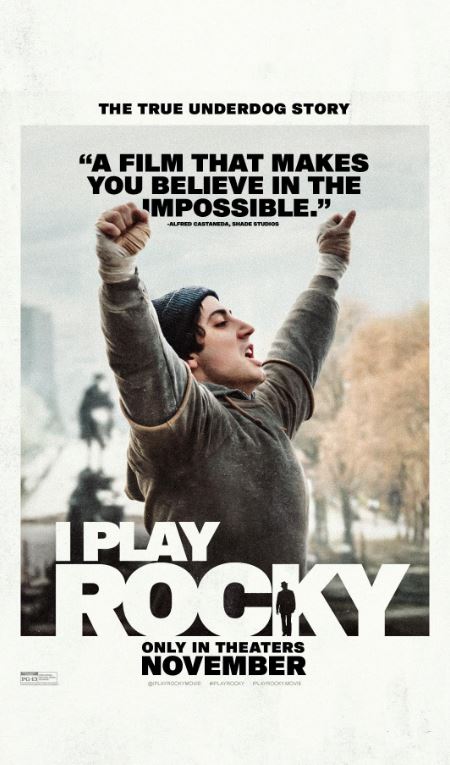
I Play Rocky

Posted on November 20, 2026 at 5:12 pm

B +
Lowest Recommended Age: Middle School
MPAA Rating: Rated PG-13 for PG-13 for brief sexual material, strong language, and smoking
Profanity: Strong language
Alcohol/ Drugs: Alcohol and smoking
Violence/ Scariness: Boxing
Diversity Issues: Diverse characters
Date Released to Theaters: November 20, 2026
I Play Rocky
Copyright 2026 FilmNation

If you stay through the credits of “I Play Rocky,” you will see an archival clip from Sylvester Stallone’s first appearance on The Tonight Show with host Johnny Carson, not long after the release of “Rocky.” At the time, before it became the beginning of a decades-long franchise, with six Rocky movies followed by three (so far) Creed films, it was just a small-budget film with no stars in the cast that was on its way to becoming the highest-grossing film of the year and winning the Best Picture Oscar. As he introduces Stallone, screenwritere and star of the film, Carson says that the story behind the making of “Rocky” could be a movie of its own and half a century later, that movie has finally arrived.

“Rocky,” of course, is the classic underdog story, a small time enforcer for a loan shark who wants to be a boxer. He thinks he is called in to spar with the heavyweight champ, Apollo Creed. But, thanks to a Cinderella-style marketing ploy, he is being offered a title shot.

Stallone’s own story was, as Carson said, even more improbable. He was broke, even sleeping on the street at one point. But he was determined to be an actor, in spite of being told by his father and others he was not handsome enough. His wife Sasha (Annasophia Robb) encouraged him to write a story to star in and, after several other scripts (see if you can catch the titles as he writes them out in longhand on a legal pad; many were eventually made). Then one night, he sees the fight between heavyweight champ Muhammad Ali and 40-1 underdog Chuck Wepner. Less than four days later, he had written the “Rocky” screenplay. (The first draft; while this movie glosses over all of the drafts before it was final, apparently it was something like 24.)

Anthony Ippolito doesn’t so much play Stallone as channel him. In one of the best performances of the year, Ippolito seemlessly captures the iconic actor’s voice, his physicality, and the contrast between appearing laconic or shy — with his disapproving father and the girl he is hoping to date, in an audition — and the steely determination that keeps him committed to becoming an actor. Like Rocky, this version of Stallone is an underdog we warm to immediately. We know the ending, but we love seeing him stick to his insistence that only he will play the lead role, turning down more and more money from producers who think Ryan O’Neal or Charles Bronson would be perfect for the role.

And we love even more seeing the film come together. As the producers hear the unforgettable Bill Conti score for the first time, it is heartwarming and very funny to see that one of them loves it right away but the other one isn’t sure. We see how the invention of a wearable Steadicam made possible the inconic scenes of Rocky running through the streets of Philadelphia and the triumphal race up the steps at the Philadelphia Museum of Art. Especially endearing is learning that the sweet scene with Adrian at the ice rink almost did not get filmed because they ran out of money. It was originally supposed to have 150 extras, but the producers mortgaged their houses to raise just enough money to shoot the scene after closing so it was just Rocky and Adrian on the ice.

It won’t create a franchise; no one wants to see a movie about the making of “Stop! Or My Mom Will Shoot” or “Rambo.” But it is impossible not to be captivated by the underdog story that inspired the underdog story.

Parents should know that this film has some strong language, drinking and smoking. Stallone accepts an acting job in a soft-core porn film (nothing explicit shown). The film within the film has some brutal boxing scenes and Stallone has some actual injuries during filming.

Family discussion: Why was the “Rocky” script the one the producers wanted to make? Why wouldn’t Stallone give in? What movie would you like tho write to star in?
If you like this, try: the Rocky and Creed movies

Related Tags:


Based on a true story Biography movie review Movies -- format Movies -- Reviews Scene After the Credits
The Hunger Games: Sunrise on the Reaping

The Hunger Games: Sunrise on the Reaping

Posted on November 19, 2026 at 9:55 pm

B-
Lowest Recommended Age: High School
Profanity: None
Alcohol/ Drugs: None
Violence/ Scariness: Extended and very graphic violence, children murdered, poison, fire, axes, knives, explosions, poison, many disturbing images
Diversity Issues: Divers characters, class differences
Date Released to Theaters: November 20, 2026

The problem that has hung over the “Hunger Games” series from the beginning has reached the point where it makes it difficult for anyone who is not already a fan and avid to see more of the origin stories of the secondary characters to appreciate.

Copyright 2026 Lionsgate

This is a dystopic satire fantasy about a future totalitarian society where an annual “reaping” selects teenagers from each part of the country of Panem for a fight to the death until just one remains. This is broadcast throughout the country for entertainment, and though we don’t see it, we are told that the population loves the games so much it keeps them loyal to the ruthless leader, President Snow (Donald Sutherland in the original films, Ralph Fiennes in this prequel). Though the ostensible theme of the film is that this grotesque spectacle is a horrific, immoral atrocity, the constant and very graphic depiction of each murder, some of young children is undercut by…its constant and very graphic depiction. It feels like a more garish version of dead teenager horror films.

The last prequel gave us the backstory of President Snow. This one gives us the story of Haimish Abernathy (Woody Harrelson in the original films, here played by “East of Eden’s” Joseph Zada). We met him as a middle-aged mentor to Katniss Everdeen, the original series’ heroine, when she competes in the games, (Jennifer Lawrence, who appears briefly in this film). The mentors are all former game champions. Haimish is a damaged and complicated person and this is the movie where we get to see how he got that way.

We meet Haimish on his birthday, which happens to be the day of the Reaping, the selection of the teenagers and tweens who will be competing in the Hunger Games. Even though his community is very poor, he seems to have a happy life, loving his mother and brother and deeply in love with the goose girl, Lenore (Whitney Peak). Everyone in town not only knows him; they all love and rely on him and remember to wish him a happy birthday. So we know right away all of that will have to be taken from him to establish the story’s stakes.

In a brutal televised program hosted by the drastically plastic surgeried Drusilla Sickle (Glenn Close), filmed by Plutarch Heavensbee (Jesse Plemons as the character originally played by Philip Seymour Hoffman). Haimish is picked because he tried to help another teen. Also picked is Louella (Molly McCann) a young girl who is very close to Haimish. Once they get to the capital she is quickly killed and replaced with another girl who has been altered and drugged. “I guess you’re mine, now,” Haimish says as the games begin, putting his own life at risk to care for the dazed girl. Haimish also meets another young competitor who has a plan to bring down the system by exploding the power grid and agrees to help.

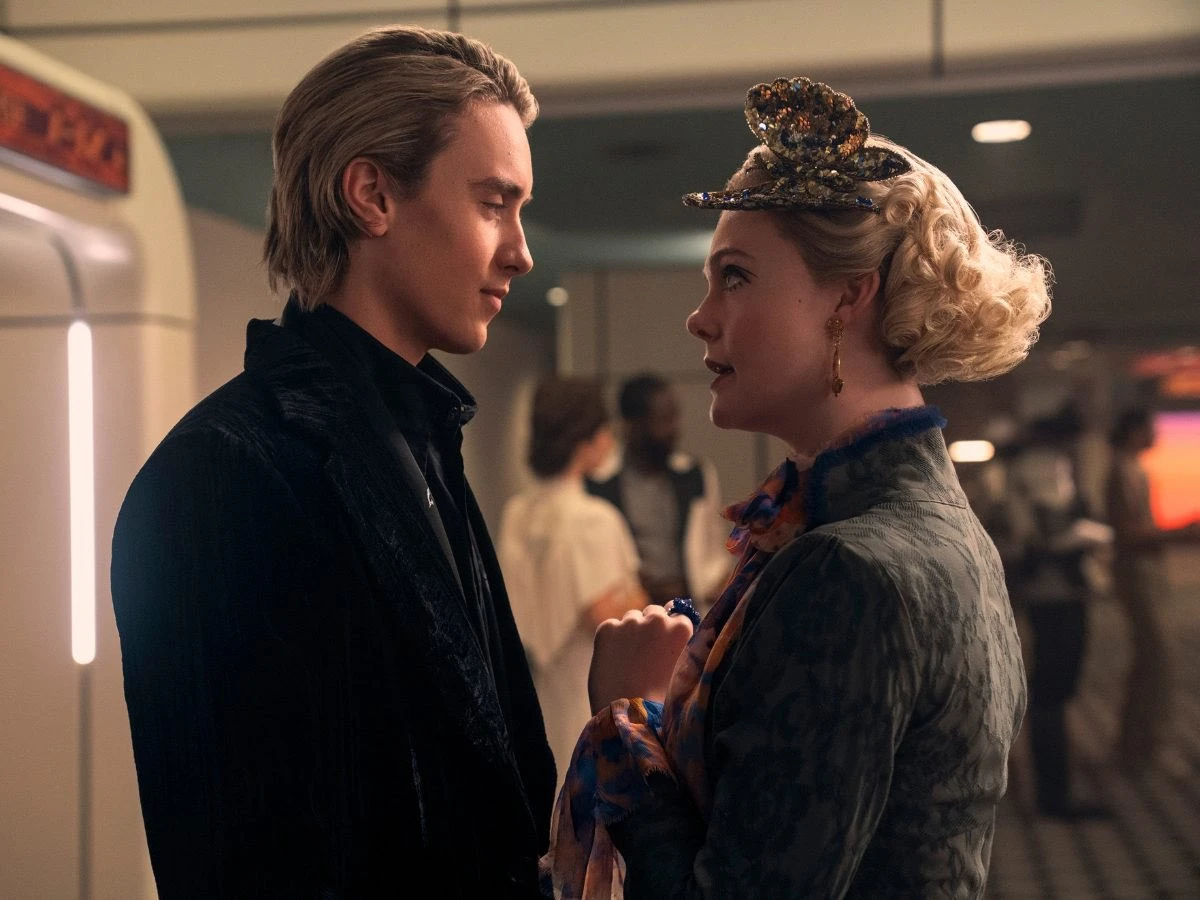
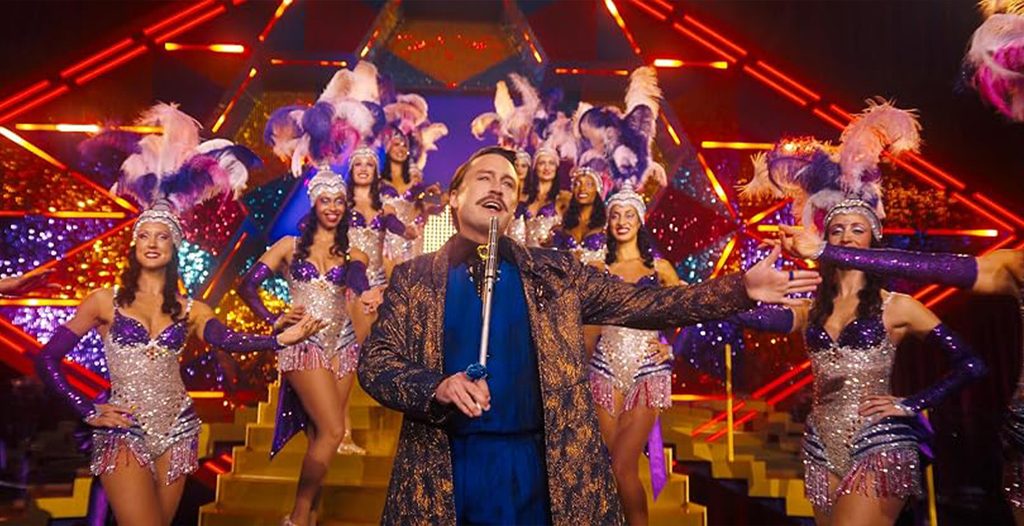
Throughout, the movie’s two modes are showing us young versions of the characters we know, like Elle Fanning as the stylist character played by Elizabeth Banks in the original, and, for me the movie’s highlight, Kieran Culkin as the oleaginous master of ceremonies formerly played by Stanley Tucci. Culkin’s pure showmanship creates the livliest moments. The imaginative and vibrant production (Uli Hanisch) and costume design (Bina Daigeler, Aino Laberenz, and Thomas Oláh) is also excellent.

There are people working to bring down Snow, moral dilemmas, some exciting action, and many many tragic deaths. But it does not deepen or expand the story or the characters. Unlike the young Snow in the last film, the young Haimish is not especially complicated; he’s just beaten down by the horrors he experienced. So are we.

Parents should know that this is a movie about children who kill other children and the killings are graphic and gruesome, including poison, animals, an axe-thrower, and many other horrible deaths including murders of a mother, sister, love interest. and young girl. The movie takes place in a dystiopian, highly stratified, fascistic society. There are class issues and many insults. A character becomes an alcoholic.

Family discussion: Why did the residents of Panem put up with and even support this system? Why did President Snow think it would keep the society from rebelling? What do you have that’s “pretty with a purpose?” What does “Presentation is everything” mean?

If you like this, try: the books and the other films in this series and the poem “The Raven” by Edgar Allen Poe

Related Tags:


Action/Adventure Based on a book Drama Fantasy movie review Movies -- format Movies -- Reviews Science-Fiction Series/Sequel Stories about Teens
Ebenezer

Ebenezer

Posted on November 12, 2026 at 4:36 pm

B
Lowest Recommended Age: Middle School
MPAA Rating: Rated PG-13 for frightening material
Profanity: None
Alcohol/ Drugs: None
Violence/ Scariness: Scary ghosts, child abuse, sad deaths
Diversity Issues: Class and economic diversity
Date Released to Theaters: November 13, 2026
Ebenezer
Copyright 2026 Paramount

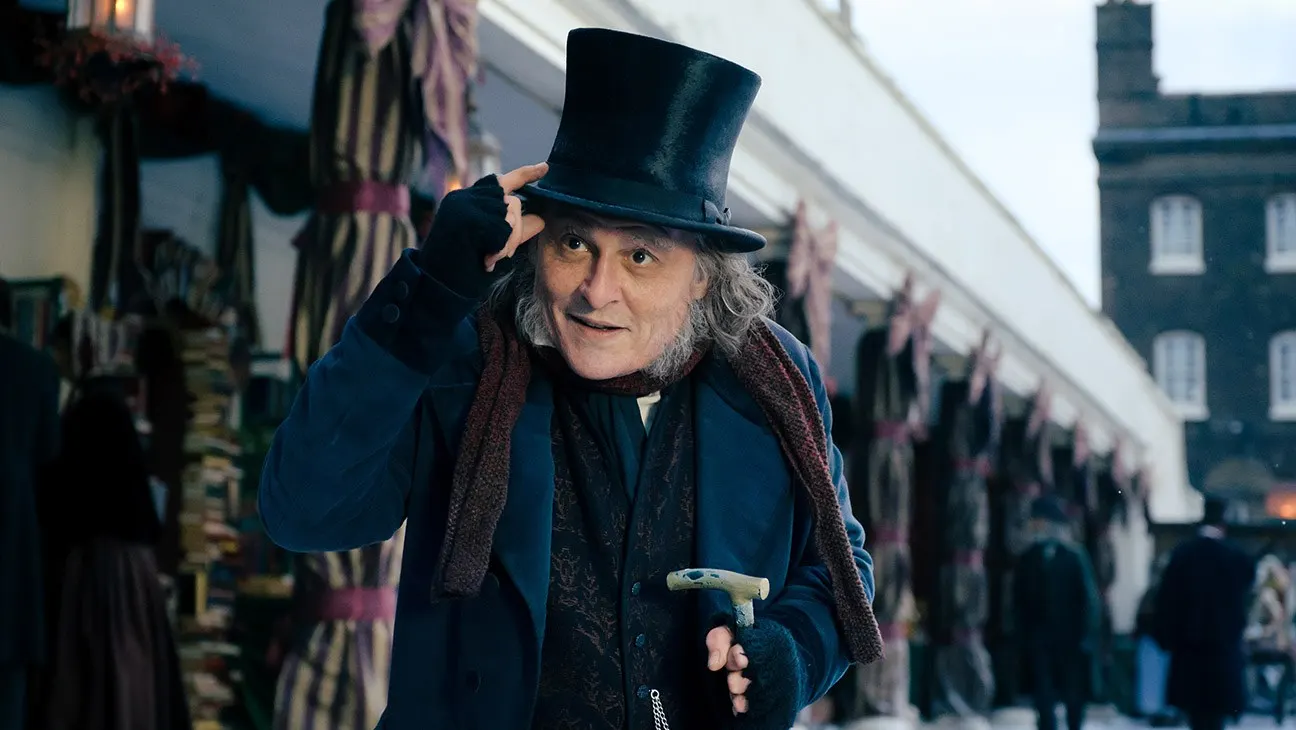
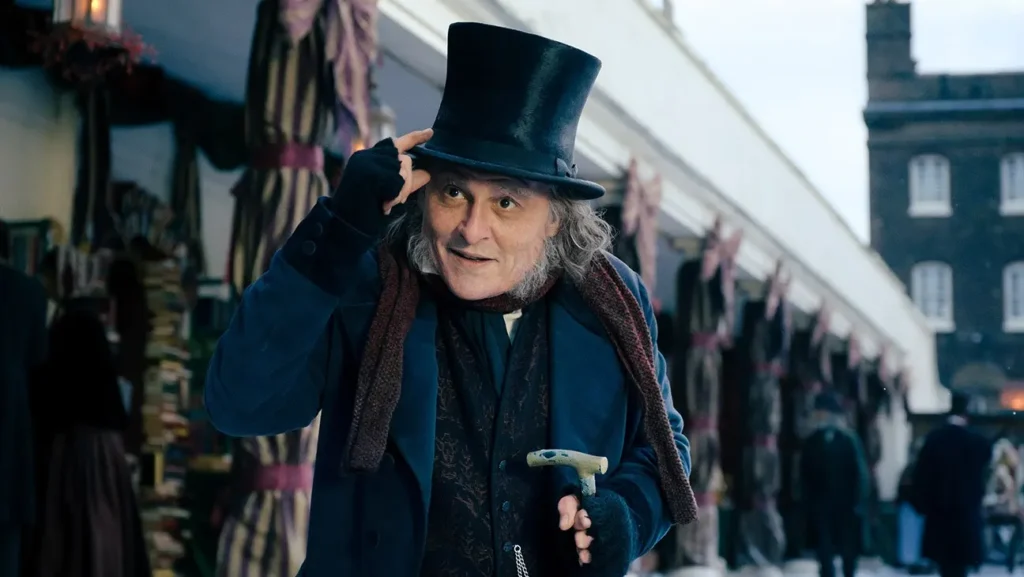
“Ebenezer” is the lastest of more than a dozen version of Charles Dickens’ A Christmas Carol. It is easy to understand the appeal of adapting the classic story of the cruel miser who is visited by three spirits on Christmas Eve and discovers the Christmas spirit for the screen. It is short, it is colorful and heartwarming, and the it is impossible not to warm to the idea of showing a man his own life to bring him to understanding and humanity. This version would be fine if not for so many that are better. My own favorites are the Alistair Sim version, the MGM version, and the Mr. Magoo musical. There are lesser versions as well. This latest, starring Johnny Depp, comes somewhere in the middle.

The setting is beautifully realized. Production design by Eve Stewart and cinematography by Checco Varese invite us into a chilly winter in Dickens-era London. It is Christmas Eve and Ebenezer Scrooge (Depp) and his partner, Jacob Marley (Sir Ian McKellen) are working on the books of their office, their clerk, Bob Cratchit (“Harry Potter’s” Rupert Grint) trying to ignore the cold and finish up so he can get home. Then Marley suddenly dies.

Seven years later, Scrooge has not spent the money to change the Scrooge and Marley sign outside the office and he is still threatening to make Cratchit come to the office on Christmas Day. Visitors arrive. First s Scrooge’s nephew, Fred (Sam Claflin), who wishes his uncle a merry Christmas and invites him to dinner. Scrooge rudely declines both. Then a pair of businessmen arrive to ask Scrooge to contribute to a charity providing food for the poor. Scrooge rudely declines them as well, accusing them of skimming the funds for themselves.

That night, Scrooge is visited by Marley’s ghost, who tells him that he will be visited by three spirits so he may avoid his partner’s fate of haunting the world bearing the chains his cruelty and selfishness forged to weigh him down after death. The first is the Spirit of Christmas Past (Andrea Riseborough), a sadder and scarier ghost than in most versions, who shows Scrooge some painful moments when he was a boy and a young man. Then is the near-gluttonous Spirit of Christmas Present (Trammell Tillman) who shows him the Cratchit family and Fred’s dinner with his wife and friends. And then there is the spooky, hooded Spirit of Christmas Yet to Come.

Scrooge is constantly peering through windows. It reminds us that he separates himself from others but it gets heavy-handed and repetitive. When he wakes on Christmas morning and wants to speak to the boy outside, instead of raising the window as in other versions, he smashes the glass. The eyes of the Spirit of Christmas Past have no iris, and her mention of her own regrets that doomed her to help others change their ways again communicate distancing and unwillingness to see others.

The images of crows throughout are also overdone. Much of what we know of the story is left out, including the merry and loving celebrations of the Cratchits and Fred. While those who are familiar with the story will miss seeing favorite moments, the bigger problem is that it removes the balance from what is presented to Scrooge, so his change of heart is not as meaningful.

Director Ti West (“V/H/S,” “Pearl’) leans into the horror of Scrooge’s literal and metaphoric haunting, and Depp shows us the way the miser’s past history of abuse, grief, and regret are turned outward to distance any possibility of warmth or generosity. In the book, the Spirit of Christmas Present lifts his robe to show Scrooge two starving waifs called Ignorance and Want. In this version, they gruesomely appear inside the dying spirit’s rib cage. Like some of the other changes, it is possibly more cinematic, but not particularly significant in telling the story.

The movie is fine. Parts of it are better than fine. But it never comes close to the far better films.

Parents should know that this film includes many supernatural characters and settings, some very disturbing. The story features child abuse, bullying, greed, and a sad offscreen death.

Family discussion: What does Scrooge learn from reviewing his past? Why does he reject Fred? If you were visited by three spirits, what would you want to see?

If you like this, try: the book and the other versions of the story as well as other Dickens books and films like David Copperfield and Great Expectations.

Related Tags:


Based on a book Drama Epic/Historical Fantasy movie review Movies -- format Movies -- Reviews Remake
Critics Choice Documentary Awards: You Can See Everything, Musk, Once Upon a Time in Harlem, and More

Critics Choice Documentary Awards: You Can See Everything, Musk, Once Upon a Time in Harlem, and More

Posted on November 9, 2026 at 2:49 pm

One of my favorite activities each year is serving on the Critics Choice Association Documentary Committee. The big winner this year was the Elizabeth Holmes documentary from Nathan Fielder, but every one of the films on this list is well worth watching.

BEST DOCUMENTARY FEATURE
“14th” (Netflix)
“Everest: The Other Side” (National Geographic Documentary Films)
“Everybody to Kenmure Street” (Icarus Films)
“The History of Concrete” (Magnolia Pictures)
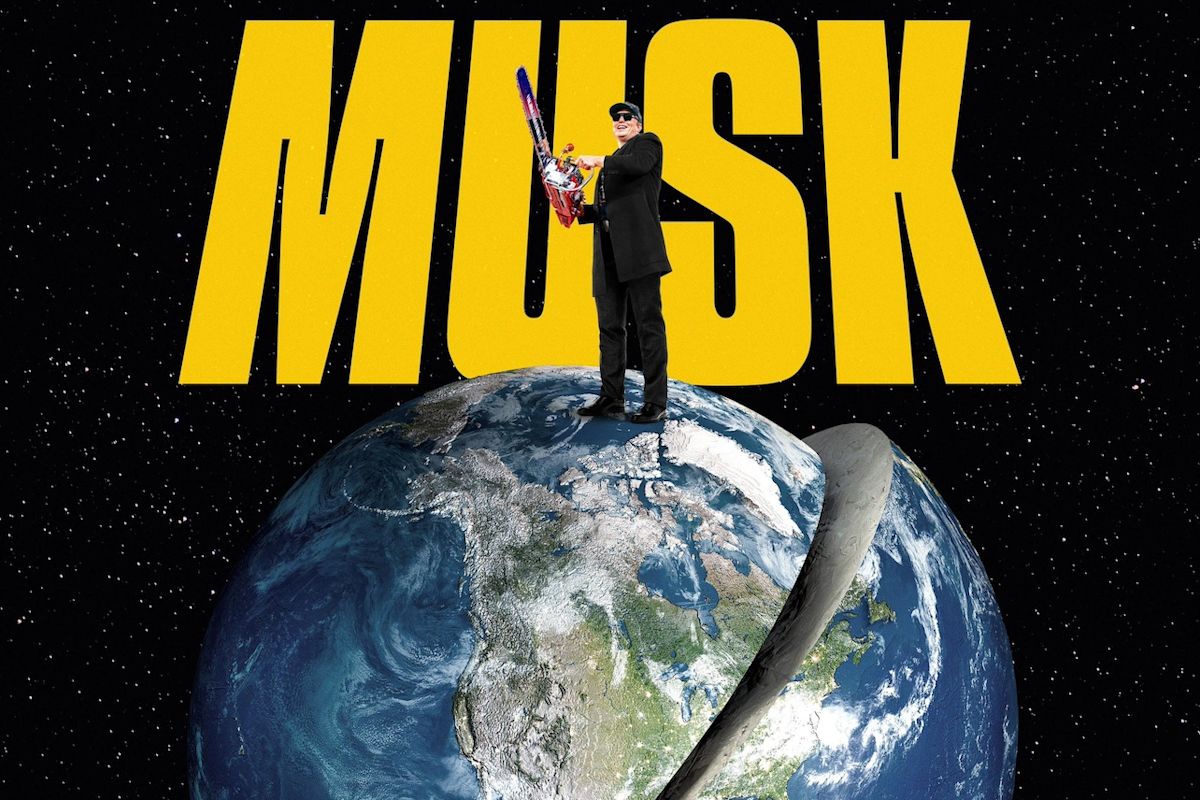
“Musk” (Bleecker Street)
“NAZA” (The Guardian / mk2 films)
“Once Upon a Time in Harlem” (Neon)
“Rehearsals for a Revolution” (Sony Pictures Classics)
“Remake” (Music Box Films)
“You Can See Everything” (A24) **WINNER

BEST DIRECTOR
Yuval Abraham & Rachel Szor – “NAZA” (The Guardian / mk2 films)
Felipe Bustos Sierra – “Everybody to Kenmure Street” (Icarus Films)
Ava DuVernay – “14th” (Netflix)
Nathan Fielder & Lance Oppenheim – “You Can See Everything” (A24) **WINNER
Ross McElwee – “Remake” (Music Box Films)
Orlando von Einsiedel – “The Cycle of Love” (Variance Films)

BEST FIRST DOCUMENTARY FEATURE
David Greaves – “Once Upon a Time in Harlem” (Neon) **WINNER
Baz Luhrmann – “EPiC: Elvis Presley in Concert” (Neon)
Gabriela Osio Vanden & Jack Weisman – “Nuisance Bear” (Mubi)
Xander Robin – “The Python Hunt” (Oscilloscope Laboratories)
Poh Si Teng – “American Doctor” (Watermelon Pictures)
John Wilson – “The History of Concrete” (Magnolia Pictures)

BEST CINEMATOGRAPHY
David Bolen – “You Can See Everything” (A24) **WINNER
David Bolen & Matt Clegg – “The Python Hunt” (Oscilloscope Laboratories)
Sophie Darlington – “Lion” (National Geographic)
Franklin Dow – “The Cycle of Love” (Variance Films)
Gabriela Osio Vanden & Jack Weisman – “Nuisance Bear” (Mubi)
Clair Popkin, Jimmy Chin, Christopher Murphy – “Everest: The Other Side” (National Geographic Documentary Films)

BEST EDITING
Spencer Averick – “14th” (Netflix)
Anne de Mare & Lynn True – “Once Upon a Time in Harlem” (Neon)
Adam Locke-Norton – “You Can See Everything” (A24) **WINNER
Colin Monie – “Everybody to Kenmure Street” (Icarus Films)
Jonathan Redmond – “EPiC: Elvis Presley in Concert” (Neon)
Cori Wapnowska – “The History of Concrete” (Magnolia Pictures)

BEST NARRATION
“The AI Doc: Or How I Became an Apocaloptimist” (Focus Features)
Written by Daniel Roher & Caroline Lindy
Performed by Daniel Roher & Caroline Lindy

“The History of Concrete” (Magnolia Pictures) **WINNER
Written by John Wilson
Performed by John Wilson

“Lorne” (Focus Features)
Written by Morgan Neville, Alan Lowe, Jake Hostetter
Performed by Chris Parnell

“Nuisance Bear” (Mubi)
Written by Mike Tunalaaq Gibbons
Performed by Mike Tunalaaq Gibbons

“Rehearsals for a Revolution” (Sony Pictures Classics)
Written by Pegah Ahangarani
Performed by Pegah Ahangarani

“Remake” (Music Box Films)
Written by Ross McElwee
Performed by Ross McElwee

BEST MUSIC SCORE
Ari Balouzian – “You Can See Everything” (A24) **WINNER
Dan Deacon – “Time and Water” (National Geographic Documentary Films)
Caroline Ho – “Everest: The Other Side” (National Geographic Documentary Films)
Jason Moran – “14th” (Netflix)
Cristóbal Tapia de Veer – “Nuisance Bear” (Mubi)
Hans Zimmer, Niccolò Pacella, George Hutson Warren – “Lion” (National Geographic)

BEST MUSIC DOCUMENTARY
“Earth, Wind & Fire (To Be Celestial vs. That’s the Weight of the World)” (HBO Max)
“EPiC: Elvis Presley in Concert” (Neon) **WINNER
“Man on the Run” (Amazon MGM Studios)
“Oasis: Don’t Look Back in Anger” (Walt Disney Studios Motion Pictures)
“Peter Asher: Everywhere Man” (Greenwich Entertainment)
“Sara Bareilles: Good Grief” (Group Effort Films / Naked Edge Films)

BEST POLITICAL DOCUMENTARY
“14th” (Netflix)
“American Doctor” (Watermelon Pictures)
“Ask E. Jean” (Abramorama)
“Everybody to Kenmure Street” (Icarus Films)
“Musk” (Bleecker Street)
“NAZA” (The Guardian / mk2 films) **WINNER
“Union Town” (Cabin Creek Films)

BEST HISTORICAL DOCUMENTARY
“14th” (Netflix)
“Once Upon a Time in Harlem” (Neon) **WINNER
“Rehearsals for a Revolution” (Sony Pictures Classics)
“SCTV: The Greatest Show You’ve Never Heard Of” (Netflix)
“Soul Patrol” (Kino Lorber)
“Turning Point: Generation 9/11” (Netflix)

BEST BIOGRAPHICAL DOCUMENTARY
“Avedon” (Netflix)
“Jean-Michel Basquiat” (Netflix)
“Lorne” (Focus Features)
“Marty, Life Is Short” (Netflix)
“Mel Brooks: The 99 Year Old Man!” (HBO Max)
“Musk” (Bleecker Street) **WINNER

BEST ARCHIVAL DOCUMENTARY
“EPiC: Elvis Presley in Concert” (Neon)
“Making Marie Antoinette” (Mubi)
“Man on the Run” (Amazon MGM Studios)
“Once Upon a Time in Harlem” (Neon) **WINNER
“Rehearsals for a Revolution” (Sony Pictures Classics)
“Remake” (Music Box Films)

BEST SCIENCE/NATURE DOCUMENTARY
“The AI Doc: Or How I Became an Apocaloptimist” (Focus Features)
“Ghost Elephants” (National Geographic Documentary Films)
“Lion” (National Geographic)
“Nuisance Bear” (Mubi) **WINNER
“Secrets of the Bees” (National Geographic)
“Time and Water” (National Geographic Documentary Films)

BEST SPORTS DOCUMENTARY
“The Dynasty: UConn Huskies” (Apple TV)
“Everest: The Other Side” (National Geographic Documentary Films) **WINNER
“Give Me the Ball!” (ESPN)
“Rafa” (Netflix)
“Standout: The Ben Kjar Story” (Samuel Goldwyn Films)
“Tyson” (Netflix)

BEST TRUE CRIME DOCUMENTARY (TIE)
“Baby Doe” (Narrative Distribution)
“Funny Money: The Dane Cook Story” (Dark Star Pictures)
“The Idaho Murders: College Nightmare” (Netflix) **WINNER
“A Killer Story” (HBO Max)
“Lost Women of Alaska” (Investigation Discovery) **WINNER
“Murder in Glitterball City” (HBO Max)

BEST SHORT DOCUMENTARY
“The Baddest Speechwriter of All” (Netflix) **WINNER
“A Derailment” (POV)
“Escalation” (Bonfire Films)
“Miller Night Football” (HBO Max)
“Oh Whale” (The New Yorker / Switchboard Magazine)
“The Second Life of Freddie Nole” (Sweet World Films)
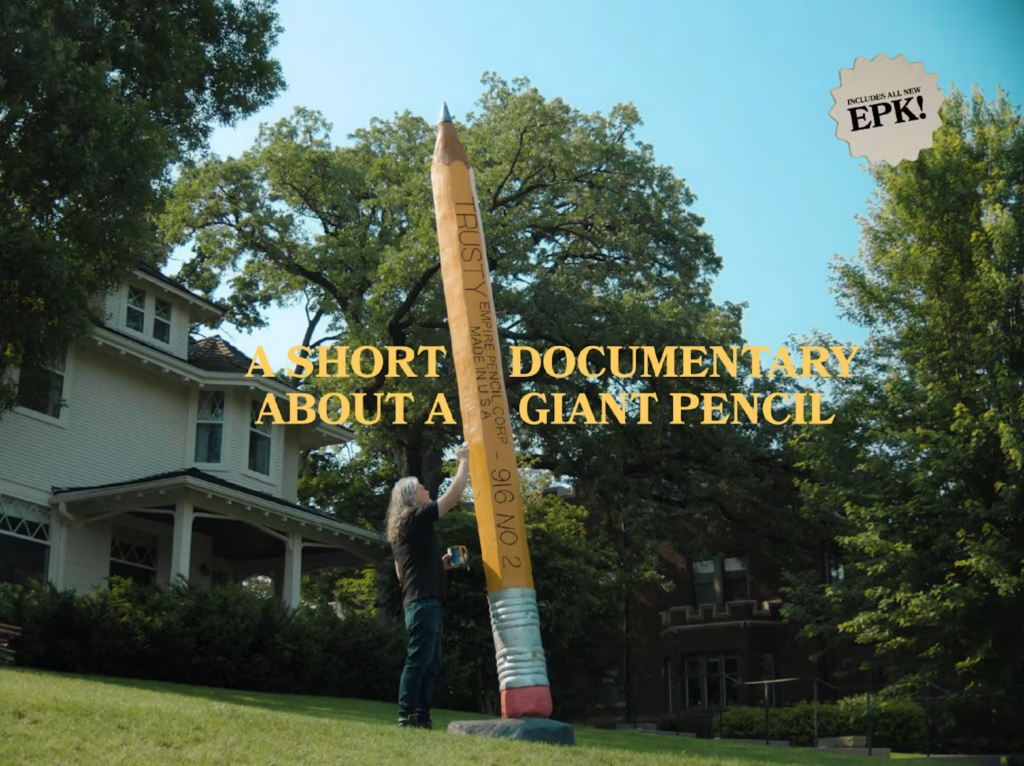
“A Short Documentary About a Giant Pencil” (archilux)
“They’re Here” (Praxis Films)

BEST LIMITED DOCUMENTARY SERIES
“9/11: Reunited” (National Geographic)
“The Dark Wizard” (HBO Max)
“The Dynasty: UConn Huskies” (Apple TV)
“High Horse: The Black Cowboy” (Peacock)
“Lion” (National Geographic) **WINNER
“The Man Will Burn” (HBO Max)
“Rafa” (Netflix)

BEST ONGOING DOCUMENTARY SERIES
“30 for 30” (ESPN) **WINNER
“American Masters” (PBS)
“America’s Sweethearts: Dallas Cowboys Cheerleaders” (Netflix)
“The Food That Built America” (History)
“Hazardous History with Henry Winkler” (History)
“Independent Lens” (PBS)
“Untold” (Netflix)

Related Tags:


Awards
Wild Horse Nine

Wild Horse Nine

Posted on November 6, 2026 at 12:08 pm

B +
Lowest Recommended Age: Mature High Schooler
MPAA Rating: Rated R for pervasice language, some strong language, drug use, and sexual references
Profanity: Constant very strong and profane language
Alcohol/ Drugs: Alcohol and narcotics
Violence/ Scariness: Very strong and graphic violence, characters injured and killed, references to suicide
Diversity Issues: None
Date Released to Theaters: November 6, 2026

Writer/director Martin McDonagh’s “Wild Horse Nine” is his latest variation on his favorite themes around masculinity. They include male friendship and its expression in conversations that are often philosophical but elliptical, and a callousness, even casualness about extreme violence.

Wild Horse Nine
Copyright Searchlight 2026

It plays like a remix of McDonagh’s “In Bruges.” Both are about two men, one older and something of a mentor, longtime partners and friends in professions that include murder, who are away from home on a vacation. And in both their boss, a brutal man with lethal intentions, arrives. And in both films the men show some interest in classic works of art. But nothing about this film feels anything but fresh and engaging.

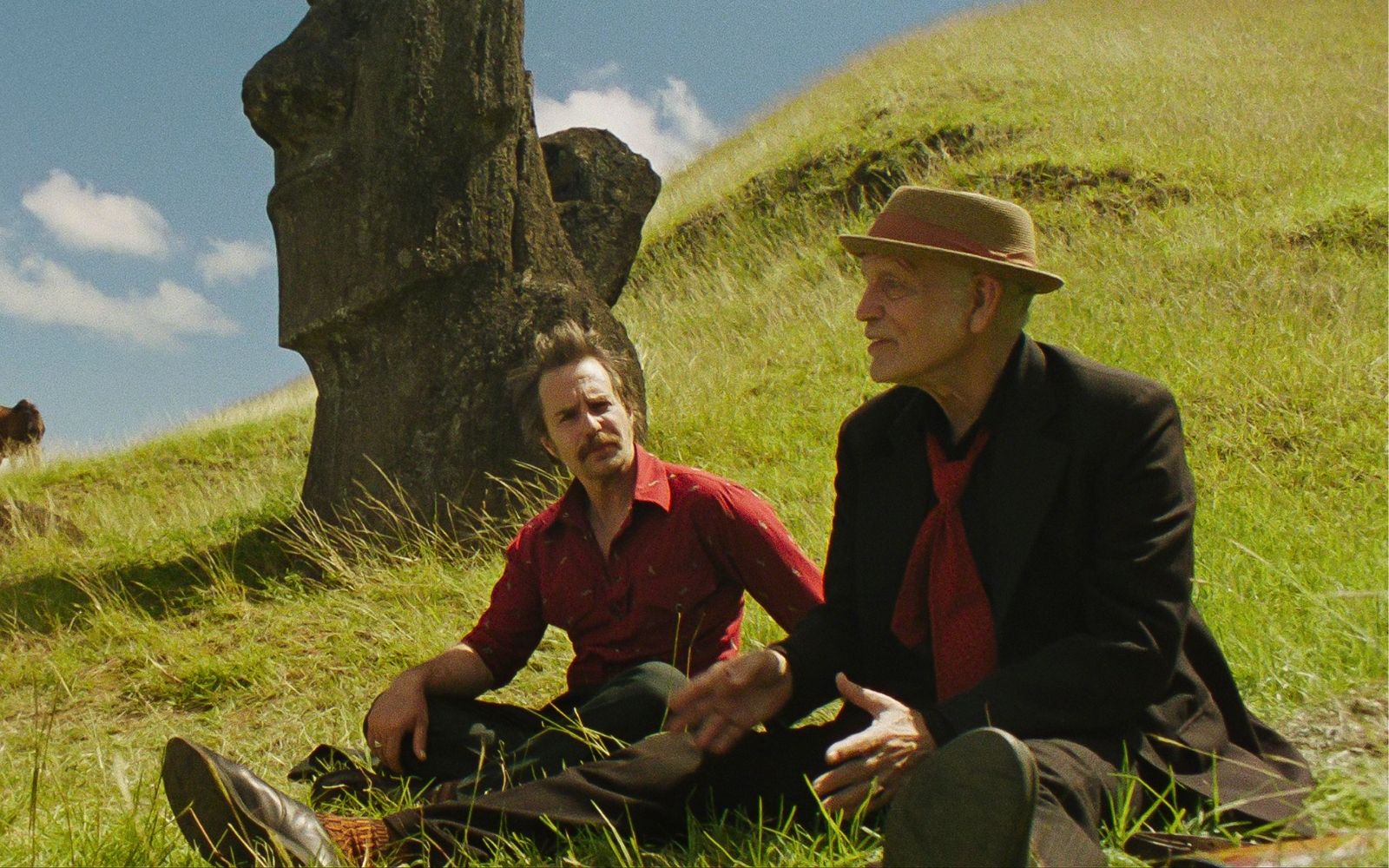
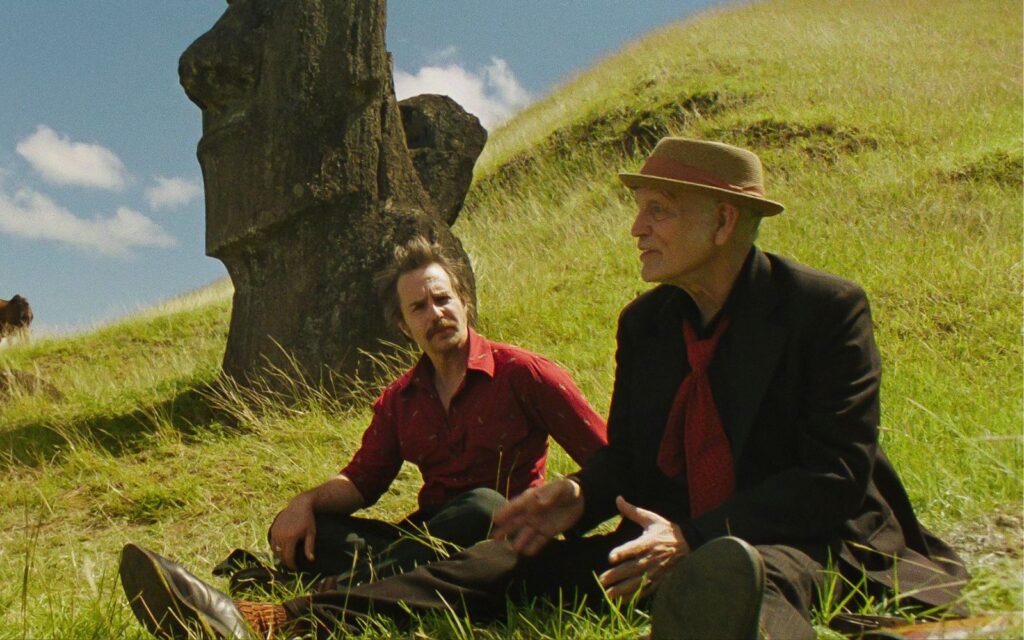
Chris (John Malkovich) and Lee (Sam Rockwell) are CIA operatives with what James Bond could call a license to kill. But in their case, there is nothing glamorous about it, no tuxedos or martinis, no fancy cars or gadgets, no impossibly beautiful and pliant women. We first see them in Chile. It is mid-1973, and many will realize that it is just before Augusto Pinochet led a military junta that overthrew the socialist government of Pres. Salvador Allende. Chris and Lee are about to take a vacation to what was then called Easter Island (now Rapa Nui), a special territory of Chile. Its famous and mysterious huge head sculptures are now a World Heritage site.

Like David Mamet, McDonagh is a master of banterish guy-talk, a hilarious mixture of indirect one-upsmanship and direct insult, liberally flavored with the f-word and somehow playing like music. It is playful and competitive and outrageous and it somehow conveys to the characters and to us a lot of information beneath the words. We learn that this is a trip Chris has wanted to take for a long time. And we learn that he is intemperate and forgetful.

This is a huge problem for someone whose entire job is a secret. In the airport and on the plane, Chris won’t stop talking, accusing their boss MJ (Steve Buscemi) of being a junkie and providing details to anyone nearby about his connection to the CIA and various covert operations, with references to the Bay of Pigs and the assassination of President John F. Kennedy.

Rapa Nui is a bucket list trip. Chris is very ill, with perhaps weeks to live. It is a race to see whether he will die of natural causes before someone kills him, either to stop him from spilling secrets or to get from him a key piece of evidence he has been hiding as protection and, perhaps, trophy. Is he talking because he is losing his ability to keep secrets from illness or the morphine he takes for pain, or because as he faces death they just don’t seem important anymore and he wants to, in some sense, come clean before he dies? Or is he just trying to impress two pretty Chilean girls, Monica (Mariana di Girolamo) and Alicia (Ailín Salas)? Whatever the reason, his superiors are very concerned about the stories he is telling and one way or another they want to stop him.

The context of some of America’s murkiest, darkest, and most complicated, and real-life actions (some documented, some speculative) take this to a deeper, more immediate level than the “In Bruge” mob guys and the members of a small Irish community in “Banshees of Inishirin.”

As Samuel Johnson said, “Depend upon it, sir, when a man knows he is to be hanged in a fortnight, it concentrates his mind wonderfully.” Chris is confronting his past as his future is measured in days. His professional and personal past come together as he reaches out to his long-estranged brother (Tom Waits) for one last conversation. Chris says, “You start to question s–t, regret s–t.” He casually brags about the number of people he killed — “I was killing people before you were born. I’ve killed people in countries you can’t spell.” He has suddenly become gentle with moths in his closet, “escorting” them out to fly free.

As Chris thinks about the memoir he wants to write, he feels the need to go back to the dinosaurs to begin. The themes of the past catching up with you can also be seen as commentary on the current moment in American politics. “Sometimes you gotta do a bad thing for the greater good,” someone says. But who decides what the greater good is? Who should know about that decision? And what if it’s wrong? This is a twisty tale that works on every level, with superb performances, including Waits and Parker Posey as Lee’s wife, and a script that engages with big thoughts and invites us to consider our own choices more deeply.

Parents should know that this has extreme and sometimes graphic violence with many characters injured and killed. A character is dying of a terminal disease. The issue of assisted death is raised. Characters use constant very strong language, drink, smoke, drink, and use prescription and street drugs.

Family discussion: Why did Chris ask Lee for that favor? Why did he want to see the moai statues? What did we learn from Chris’s call to his brother?

If you like this, try: “In Bruges” and “Banshees of Inishirin”

Related Tags:


Comedy Crime Drama movie review Movies -- format Movies -- Reviews
THE MOVIE MOM® is a registered trademark of Nell Minow. Use of the mark without express consent from Nell Minow constitutes trademark infringement and unfair competition in violation of federal and state laws. All material © Nell Minow 1995-2026, all rights reserved, and no use or republication is permitted without explicit permission. This site hosts Nell Minow’s Movie Mom® archive, with material that originally appeared on Yahoo! Movies, Beliefnet, and other sources. Much of her new material can be found at Rogerebert.com, Huffington Post, and WheretoWatch. Her books include The Movie Mom’s Guide to Family Movies and 101 Must-See Movie Moments, and she can be heard each week on radio stations across the country.

Website Designed by Max LaZebnik