The 2016 AFI Docs festival is over and the audience award winner was “Maya Angelou: And Still I Rise,” which will be featured on the PBS “American Masters” series.
This year’s AFI DOCS attendees included renowned filmmakers Judd Apatow, Ramin Bahrani, Heidi Ewing, Alex Gibney, Rachel Grady, Werner Herzog (this year’s AFI DOCS Charles Guggenheim Symposium honoree) and Barbara Kopple, along with documentary subjects Sharon Jones and Norman Lear. I was struck by the pair of films about the internet, Werner Herzog’s “Lo and Behold” and Alex Gibney’s Stuxnet film “Zero Days.” Other highlights included “Life, Animated,” the extraordinary story of a boy with autism who used Disney animated films to teach himself how to communicate (coming to theaters over the next few weeks), and “Gleason,” the story of football player Steve Gleason, who was diagnosed with ALS.
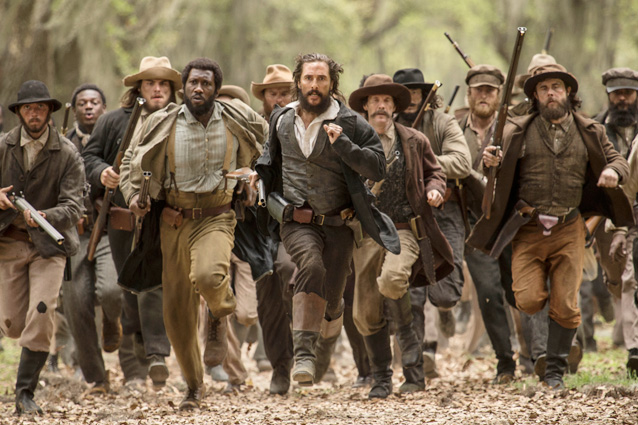
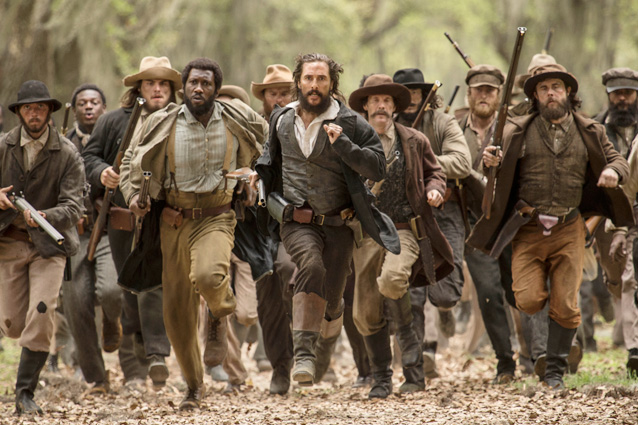
Gary Ross, best known for the first “Hunger Games” movie, spent years researching the real-life story behind his new film, “Free State of Jones,” about a group of deserters from the Confederate Army and runaway slaves who declared their independence from the legal and economic oppression of the Confederacy. You can see more about the story in the “Free State of Jones” website. His commitment to authenticity included filming in the actual locations where the events took place, including the swamp where Newt Knight (played by Matthew McConaughey) and his group hid from the Confederate soldiers. “We were in the swamp for a long time but it was worth it. We were shooting where the true story actually occurred so that was kind of inspiring.” There are several books about the historical events, but Ross reviewed the original documents. “I did a lot of primary source research. When you go to the website you will see that most of the things that we cite are not secondary historians but are primary sources. I studied for about 2 to 3 years before I ever even started writing the script….There’s a tremendous amount of original sources that survived. We use a ton of sources from what was called the OR, the Original Records of the War Between the States which is the most reliable source. And we used a lot of letters to corroborate this evidence from former Confederate soldiers they were writing about the rebellion to one another as it was going on so there’s a tremendous amount of actual primary sources that exists, I mean hundreds and you can see them on the website.”
The film is set in the Civil War era, but some scenes show us Knight’s descendent in a 1948 miscegenation trial. Ross said, “I think that we need to see some perspective. It was a way of almost trying Newt in absentia a century later. These issues that were necessarily unresolved. It also let us explore what happens to memory when you lose connection with your past. This is a century later and it is still going on. I think that the fact that there was in fact this real trial which was still bizarre was an important thing to include.”
He talked about seeing the jobs of writer and director separately. “I don’t see directing as an extension of writing. It is to certain degree because you are storytelling but it’s its own thing. But you are never afraid to keep writing when you’re a writer there so I actually have more flexibility on the set, I don’t see the script as such a lock or rigid thing. And directing informs your writing. When you’re directing you think of it the more cinematically, you think, ‘Are they going to be able to actually do it?’ There is less waste in the writing. There is more of a cognizance of the cutting pattern. There is more even awareness the things like sounds design, so yes I definitely think it informs how I write now.”
There are some common themes between this real-life story and the allegory of “Hunger Games.” “Individual and personal liberty is tremendously important to me and I think that this has been somethings that has been expressed through a lot of the work that I’ve done one way or another. Newt used Scripture to justify his actions. It began as an organic rebellion. It was anti-tax rebellion at the outset but it grew into a larger meaning of freedom and it broadened out into a bigger definition of what freedom was. Once he glimpsed what true freedom meant he couldn’t tolerate his wish for personal freedom and then accept unfreedom for other people so I think that Newt expanded and grew and in his worldview and that led him been an advocate for African-Americans in the postwar period.”
Ross wants to make sure that audiences see the oppression that continued after the end of the Civil War. “The war didn’t and in 1865. The conflicts of the war went to 1876. We can see this as a continuum in the fight for freedom. I think that the only movies that existed prior to these were the original “Birth of a Nation” and “Gone With the Wind” so the record needs to be set straight because they are very misleading about the reconstruction era. I hope people who see this can talk about interracial reliance and interracial alliance. I think that’s tremendously important. Newton Knight as an ally of African-Americans in the postwar era is a tremendously important thing to celebrate. Only when we unite in America will we ever make true progress.
I live and have worked in Washington DC, and more often than not we find our city badly misrepresented in movies. But this one is different because “The Congressman” was written and directed by someone who knows Washington and politics from the inside,former Long Island Congressman Robert J. Mrazek. It stars Treat Williams, George Hamilton, Elizabeth Marvel and Ryan Merriman. It is available on VOD and is showing in select cinemas.
Here Treat Williams as Congressman Charlie Winship gives a speech about what it means to be American, and to be patriotic, following the aftermath of controversy that occurred when video footage showing that he did not say the pledge of allegiance went viral. He addresses the kind of petty symbolism that our gotcha media focus on and what the principles our country was founded on really mean.
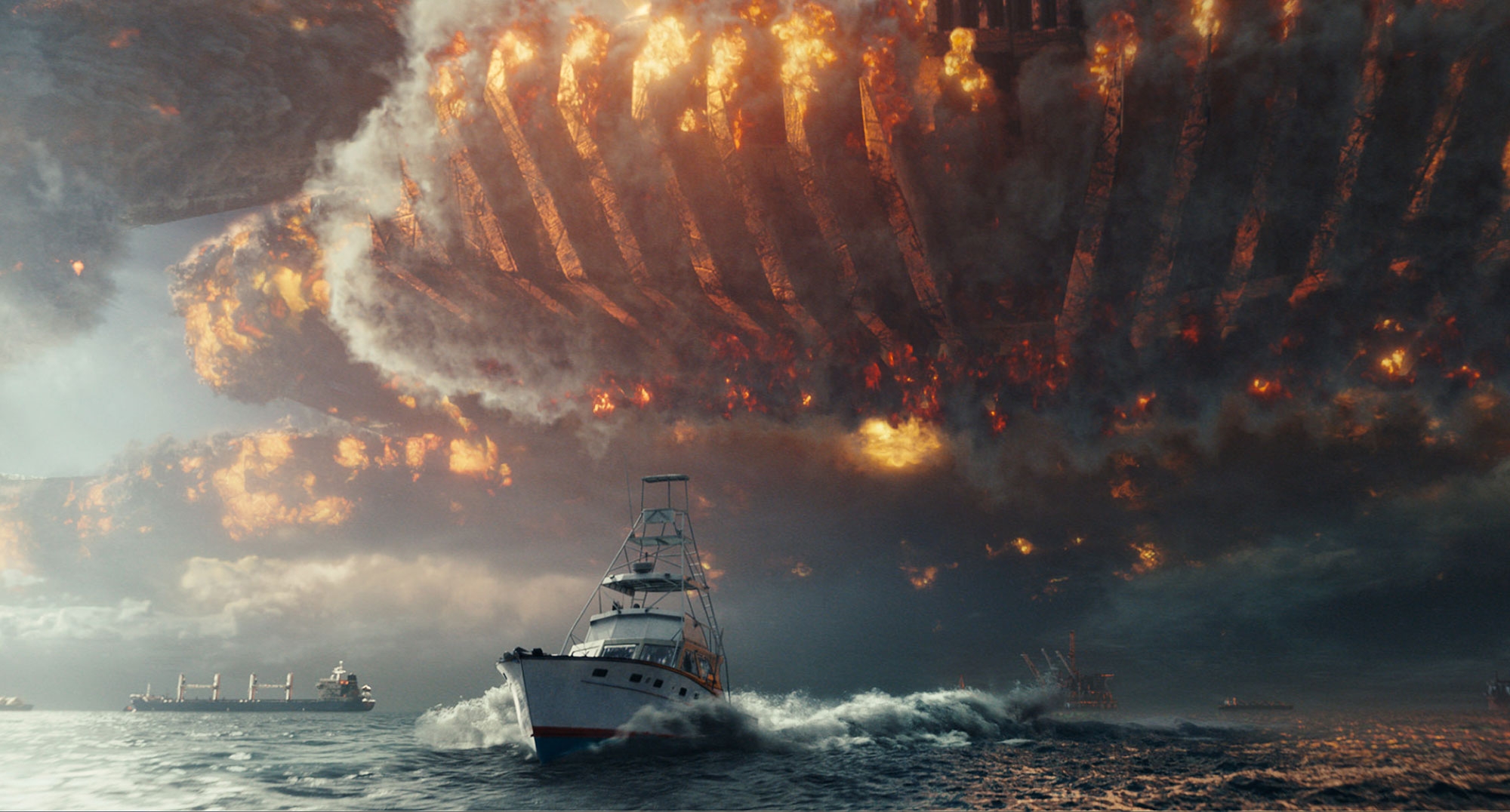
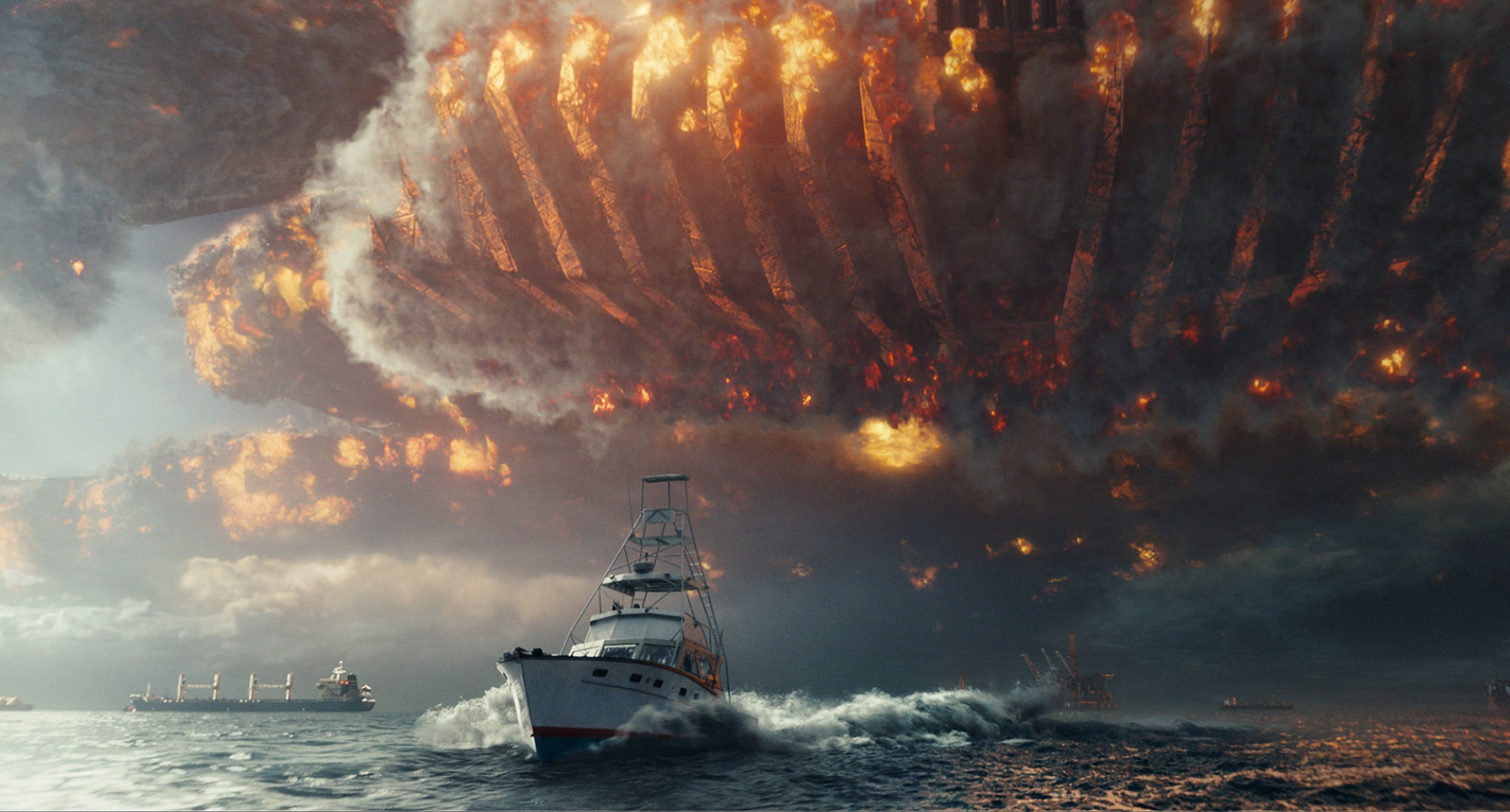
Twenty years ago, Jeff Goldblum and Will Smith flew into an alien mothership and uploaded a computer virus in a movie that is still one of the definitive summer blockbusters, Independence Day. Two decades later, moviemaking technology has made a lot of progress, and it has some striking visuals, but it is missing a lot of the brio of the first, especially Will Smith. This is one of those movies with a story that involves billions of people around the world but pretty much the same six people keep running into each other and their relationship issues are as important as the impending attack that in military terms is deemed “extinction level.”
The alien attack of 1996 did something humans were not able to accomplish on their own after thousands of years. It united the world, which came together to adapt the alien technology and develop a comprehensive monitoring and defense system, including space stations and an outpost on the moon. The US President (Sela Ward) coordinates with other world leaders in what seems to be an era of unprecedented peace and prosperity, if operating under the constant pressure of recovering from unprecedented losses and the fear of another invasion.
In the first film, a nerdy scientist named Dr. Okun (Brent Spiner) who had been hidden away in Area 51 was used as something like a ventriloquist’s dummy by an alien and has been in a coma ever since, tenderly care for by his partner. All of a sudden, his eyes fly open and he is awake. There are other indications around the world that dormant capacities for communication are being triggered by what could be another approaching invasion. That includes the former President (Bill Pullman, with beard, cane, and PTSD) who not only inspired the world with a great speech but personally flew a fighter plane to attack the alien ship.
David Levinson (Jeff Goldblum), who in the last film was a cable company computer technician who was the first to identify the anomalies that indicated an alien interference, visits Africa to speak to a warlord whose people engaged in hand-to-tentacle combat with aliens. The ex-wife played by Margaret Colin in the last film has vanished from the storyline, without even the half-sentence explanation that lets us know what happened to Will Smith’s character. Instead, we meet a scientist played by Charlotte Gainsbourg who says she has identified some symbols, especially a circle with a horizontal line through it, that people who have had some alien contact feel impelled to draw or paint. And the aliens who have been locked up in Area 51 for 20 years are suddenly awake and screaming…or celebrating. Yes, they are back and they are big. One thing the movie does well is show us the scale and scope of this new invasion.
But what it does not do well is connect us to the characters. There are utterly pointless and unconvincing subplots about a past between Goldblum and Gainsbourg, who have no chemistry whatsoever, but still find more sizzle than the subplot about the hopelessly bland trio of the three fighter pilots, the daughter of the former President, the son of the Will Smith character from the last movie, and Liam Hemsworth, trying to be all “Top Gun”-adorably dashing but more “Starship Troopers.” The actors do their best, but they are stuck with clunky sci-fi cliche dialog. The first film had some clever references to classics like “2001,” but this one just borrows shamelessly from other, better films. The aliens may be bigger and better in this return, but the script is not.
Parents should know that this film has extended sci-fi peril and violence with some disturbing images and characters who are injured and killed, including vast destruction and genocide. Characters use some strong language and there is brief potty humor.
Family discussion: What should the President have considered in deciding about the orb? What would you want to ask it?
If you like this, try: the original “Independence Day” and “Close Encounters of the Third Kind”