
Scorsese’s Greatest Shots
Posted on November 23, 2019 at 3:08 pm
The Ringer picks out some of Martin Scorsese’s most striking — and most influential shots.
Posted on November 23, 2019 at 3:08 pm
The Ringer picks out some of Martin Scorsese’s most striking — and most influential shots.
Posted on November 22, 2019 at 8:04 am
“The Good Place” is my favorite show, and I love the way it grapples with the deepest questions of existence in a sophisticated and nuanced but remarkably accessible (and funny and endearing) way. What does it mean to be a good person? Why should we try to be good? What do we owe each other? I watch every week, then listen to the terrific podcast with Marc Evan Jackson (who plays Sean, the head demon), then watch the episode again to catch the details they discuss. The podcast features actors, behind-the-scenes people like writers, producers, special effects, set, and costume designers, and you might even hear a real expert on moral philosophy.
And so of course the has become a text, with “The Good Class” being taught at Notre Dame. I love the description of the answers they got to the application for admission and the comments from “Good Place” creator Mike Shur.
The Good Class, at least, provides one place where people convene every week to talk about what they just saw.
“ the idea of what it means to watch and debate television like this together. To use television as a vehicle. It’s hard to talk about ethical issues these days. It’s hard to have a common language that’s not hyper politicized or hyper reductive,” Sullivan says. “We need cultural questions like this to do some of the 2,400-year-old work on our souls.”
Posted on November 20, 2019 at 8:56 am
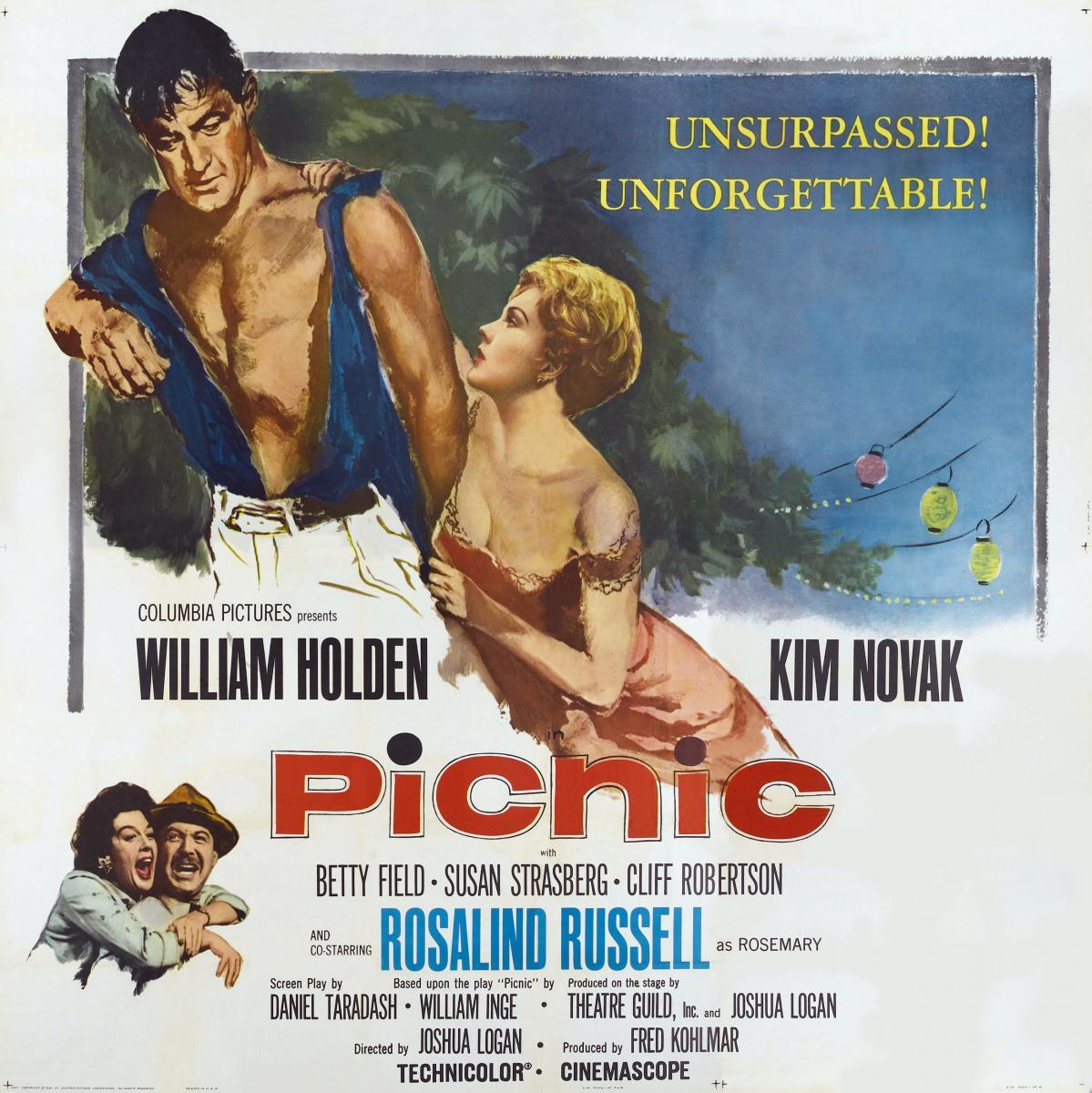
Oscar-ologist Kevin Jacobsen’s delightful “And the Runner-up Is” podcast looks back at the Academy Awards and considers which films that did not win have better stood the test of time than the ones that brought home the gold. Spoiler alert: We agreed that “Marty” is still at the top of the 1955 list, but we had a great time talking about the runner-up, Joshua Logan’s “Picnic,” starring William Holden and Kim Novak and based on the play by William Inge.
Posted on November 17, 2019 at 11:48 am
The New York Times recommends seven podcasts for movie fans, including Filmspotting (long, thoughtful, informative conversations about current releases and other films), “You Must Remember This” (Karina Longworth‘s deeply researched Hollywood history), “How Did This Get Made?” (funny guys and often silly conversations about terrible movies), Scriptnotes (insights on writing for film, including critiques of listener-submitted scenes), and I Was There Too, stories from character actors and others who were on the set.
I’d also add:
Slate’s Spoiler Specials — smart and lively discussions for AFTER you’ve seen the movie
Flashback: Dana Stevens and K. Austin Collins revisits classics like “Imitation of Life,” “The Straight Story,” and “Bride of Frankenstein.”
3rd and Fairfax: The official podcast of the Writer’s Guild West.
Posted on November 14, 2019 at 12:11 pm
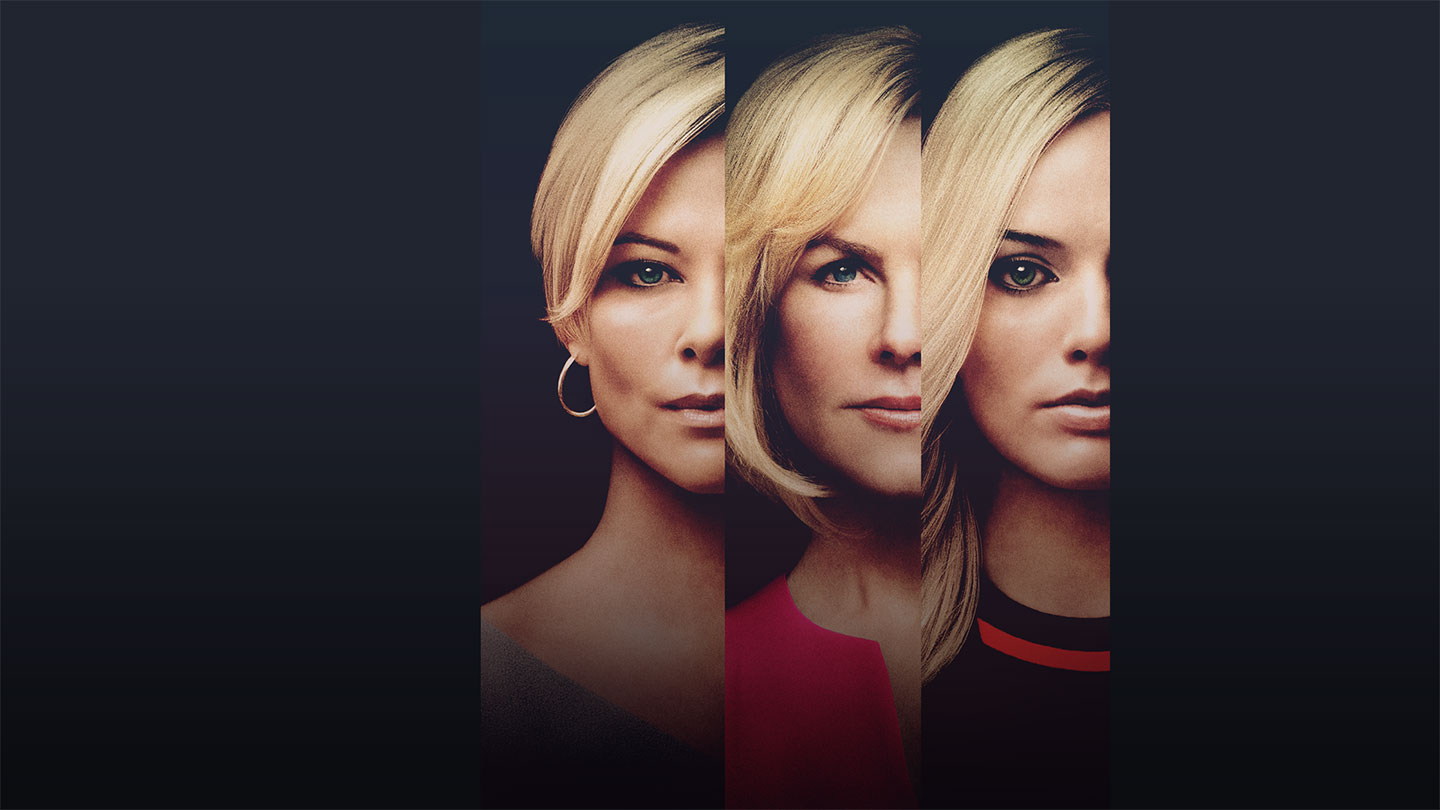
 Last night, a powerhouse Washington D.C. audience got an early look at one of this winter’s biggest and best movies, “Bombshell,” based on the true story of the sexual harassment complaints that caused a seismic shake-up at the most powerful media company in the world. The title is clever, referring to the “bombshell” anchors of Fox News, selected for their beauty as well as their credentials as journalists, and the “bombshell” disclosures of abuse that led to the departure of the company’s top talent, including the founder of FOX News, the late Roger Ailes and their top-rated broadcaster, Bill O’Reilly.
Following the screening at the spectacular new Washington DC office of the MPAA, CNN’s Dana Bash interviewed producer and star Charlize Theron, who plays Megyn Kelly in the film, director Jay Roach, and screenwriter Charles Randolph. Some highlights:
Randolph described himself as “the least woke man in the room,” subject to “the masculine instinct to minimize” the experiences of women, which itself causes great harm — the “refusal to acknowledge the importance of these events in women’s lives is devastating.” But “how is that helping the world? And so, he told us the the reason he wanted to tell this story: “Sexual harassment has to stop. And this has such interesting characters. They are not earnestly passive, as we see too often in “good” characters. They are filled with quirks, contradictions, internal conflicts. My parents are FOX News people. These are characters they can relate to, laugh at, laugh with, fully identify with and respect.”
Roach also comes from a “Fox News family,” he said. “This could cross over. Even my mom and my aunts could connect to this because they know them. When this story happened, we were all talking about it but I did not hear my family talking about it. The women in this film did not call themselves feminists; it is a great predicament for a story.”
Theron on taking on the role: “This film began before the Harvey Weinstein/#meetoo/Time’s Up movement. In a way, it is the origin story. But this was already a part of my life as it has been for every woman. Producing the film was easier than playing Megyn. And in some ways, playing Aileen Wuornos in ‘Monster’ was easier, because everyone knows Megyn’s face, voice, gestures so well. It took a little time for me to put my personal feelings aside. Megyn says some things I don’t agree with and some that rub me the wrong way. We have different views on a lot of stuff, but the only way to do this job is to remove yourself from those judgments and come from an empathetic place, to find the emotional arc of the story and not hide yourself away from the thorns. It’s easy to do a heroic person who does everything right and the audience immediately likes them. But it is more interesting to take a conflicted person who has a moment to do something right, not fluffy nice and cozy. We are complicated as people and the characters should be, too.” The same goes for those in the story who are not the heroes. “The harasser you most have to worry about is not the guy twirling his mustache.”
“It’s the belittling factor,” Theron said. “We’ve always been able to wrap our heads around the violent injuries. But this is also incredibly damaging. You carry this stuff, adding more weight to the luggage you never get rid of.”