Reel/Real Women: AWFJ Pays Tribute to Movies About Real-Life Female Characters

Posted on March 6, 2019 at 6:59 pm

The Alliance of Women Film Journalists has published a new list in honor of Women’s History Month — our favorite portrayals of real-life women in feature films. AWFJ founder Jennifer Merin writes:

Throughout cinema history, films by and about women have enthralled audiences, accrued awards and honors worldwide and scored at the box office while influencing out social social mores and enriching our cultural conversation. Although some Hollywood honchos and haters assert that female-centric movies are less likely to be commercial successes, our list proves them wrong. Movies that tell women’s stories have legs.

Released to celebrate Women’s History Month, AWFJ’s REAL REEL WOMEN List is an annotated roster of 50 fascinating real women whose remarkable true stories have been told in narrative features since the earliest days of moviemaking. The REAL REEL WOMEN List is a companion to AWFJ’s WONDER WOMEN List of iconic fictional females, published as a five-part countdown series in 2016.

AWFJ members selected our 50 iconic REAL REEL WOMEN from more than 150 nominees, all of whom have had their stories told in watch-worthy films. Short essays about our REAL REEL WOMEN’s lives, accomplishments and the films made about them have been written by AWFJ members Betsy Bozdech, Liz Braun, Sandie Angulo Chen, Carol Cling, Leslie Combemale, Linda Cook, Laura Emerick, Marilyn Ferdinand, Alexandra Heller-Nicholas, Kimberley Jones, Loren King, Sarah Knight Adamson, Cate Marquis, Brandy McDonnell, Jennifer Merin, Nell Minow, Lynn Venhaus, and Susan Wloszczyna.

We hope that reading about these REAL REEL princesses and pilots, artists and actors, poets, political activists and other women from all walks of life will prompt you to add all the films about them to your watch list, and that you’ll then be motivated to seek out and enjoy additional current and classic movies about other real women whose stories are memorialized in cinema.

One of my contributions to the list was Fanny Brice, unforgettably portrayed by Barbra Streisand in “Funny Girl.”

Fanny Brice, born Fania Borach, was the daughter of Jewish immigrants who dropped out of school as a teenager to work in burlesque and began her association with vaudeville impresario Flo Ziegfeld two years later. She headlined the Ziegfeld Follies from 1910 through part of the 1930s. Best known in sketch comedy as bratty little girl “Baby Snooks” and performing songs like the comically self-deprecatory “Second Hand Rose,” her signature was the heartbreaking torch song, “My Man,” which inspired her first film, My Man (1928). She played herself in the Oscar-winning The Great Ziegfeld (1936), acted in several other films, and had a hit on radio with the “The Baby Snooks Show,” but there is no question that her own fame has been eclipsed by the performer who starred as Brice on Broadway and in her first film—Oscar-winner Barbra Streisand in Funny Girl (1968). It was a perfect match—one brash, prodigiously talented, unconventionally pretty, New York Jewish singer equally adept at comedy and drama portraying another. Streisand sings “Second Hand Rose,” “My Man,” and original songs created for the Broadway show, including the now-standard “People.” The story of Brice’s determination and resilience despite the heartbreak of her marriage to a handsome scoundrel is now a classic and prompted a sequel, also starring Streisand, that told more of Brice’s story, 1975’s Funny Lady. Brice helped pave the way for unconventional-looking lead performers, and her few films are well worth watching.
Related Tags:


Critics Film History For Your Netflix Queue Great Characters Movie History Movies for Grown-Ups
Jodi Benson and the 30th Anniversary of The Little Mermaid

Jodi Benson and the 30th Anniversary of The Little Mermaid

Posted on February 28, 2019 at 8:00 am

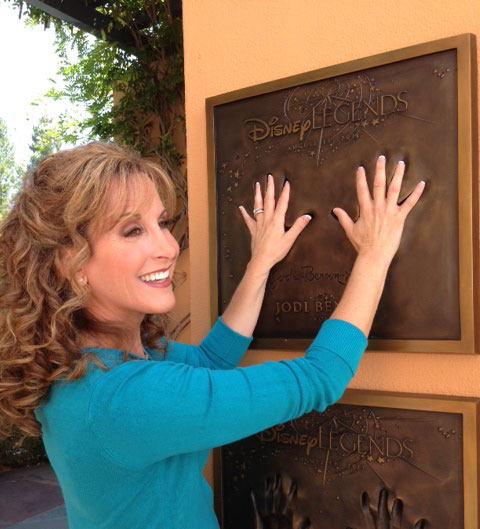
I always love talking to Jodi Benson, who provided the sweet voice of Ariel in “The Little Mermaid,” now, incredibly, celebrating its 30th anniversary with a special new DVD/Blu-Ray. On The Credits, you can see our interview.

Related Tags:


Actors Interview
Horror is More than Scares and Carnage

Horror is More than Scares and Carnage

Posted on February 27, 2019 at 10:20 pm

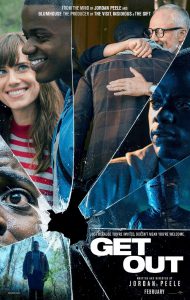
As we see in movies like “Get Out,” “28 Days Later,” and “Dawn of the Dead,” horror can be more than scares and carnage. It can reflect and challenge our assumptions. Two new articles provide some fascinating commentary on these themes.

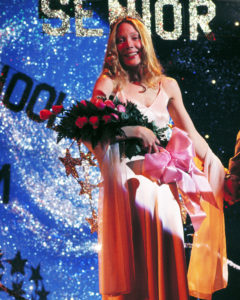
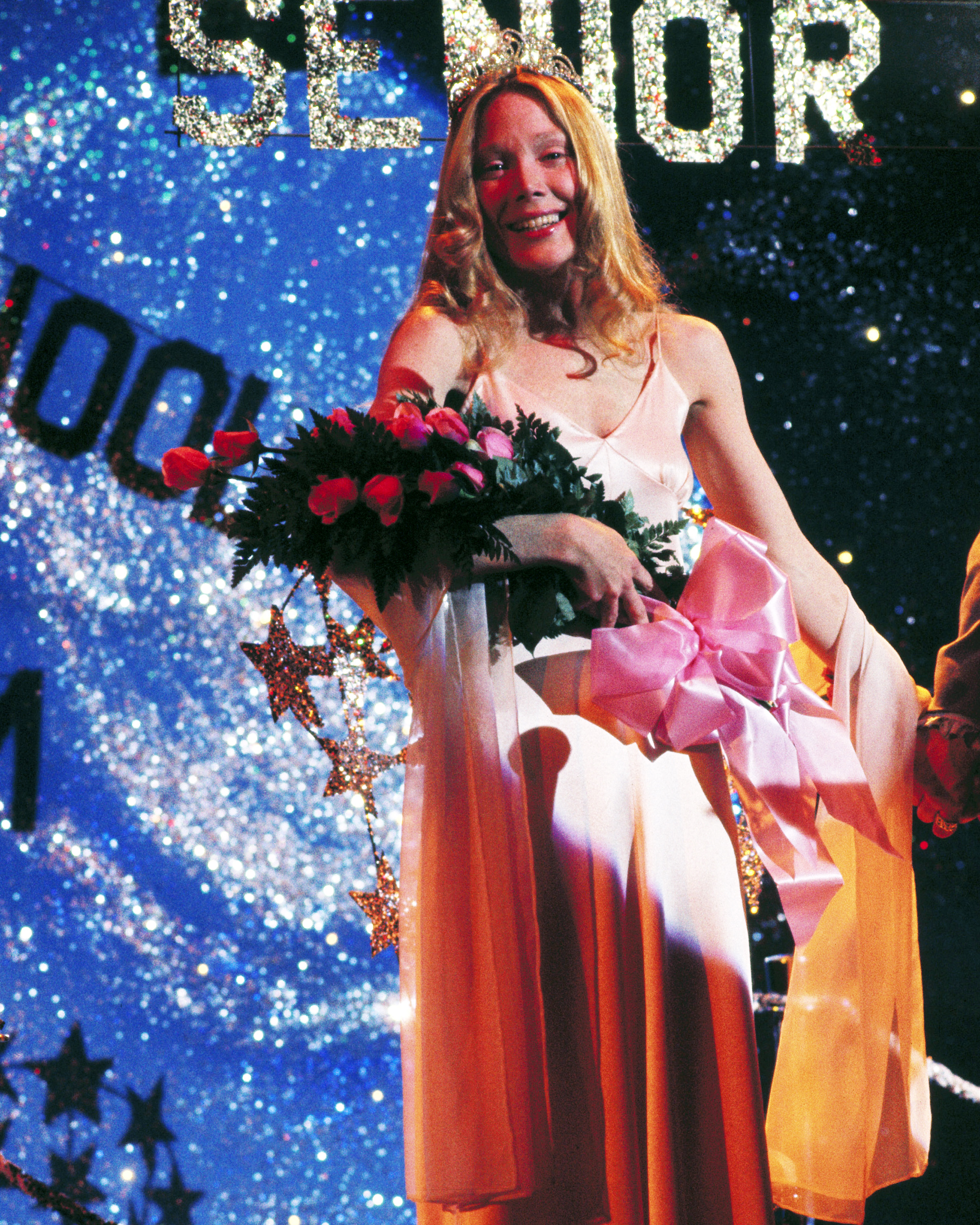
Copyright 1976 Red Bank Films
Mary Beth McAndrews writes on Reel Honey about “reclaiming female exploitation” in horror. “Recently, female directors have been working to reclaim this exploitation by appropriating these tropes to create empowering horror narratives. These films are still violent, but they do not solely depend on the suffering and abjection of their female characters….These directors and writers are just a few of the women in horror working to change the trajectory of the horror narrative and how we view the female body on-screen. Yes, horror is a genre built on violence and gore. But these women are re-evaluating the use of that exploitative violence into something thoughtful, empowering, and equally gory. The monsters they construct are not so fantastical and the scenarios they portray are much more real, giving their violence more meaning and purpose. It is not just about reveling in women’s bodies in pain; it is about understanding their pain.”

Copyright Universal 2017
And on Medium, Marcus Benjamin writes about a new documentary: “Horror Noire: A History Of Black Horror’ Makes The Case For Empathy In A Scary World.” Traditionally, he says, “Outside of dying, tending to the the main character’s need was our number one function. This was all done while doing a disservice to our own lives, which we may or may not have had on screen because no one cared enough to give them one. Or in the case of Rachel True’s character from The Craft, someone decided to cut out portions of the film altogether that explored her family life and other struggles….When you’re not surrounded by people of races other than your own, you don’t develop the empathy gene for them. How can you begin to comprehend how a black person feels about blackface if you don’t have any black people in your circle to tell you? Or if you’ve didn’t grow up with any black friends? Or if you grew up in a racist city or town? Despite all your efforts to learn, you’ll likely have a cultural blindspot or two. Similarly, when the history of cinema is filled with blackface or monsters and gigantic apes as stand-ins for black people, that means entire generations grew up believing black people were always lesser.”

Related Tags:


Critics Gender and Diversity Horror Race and Diversity Understanding Media and Pop Culture

How Does a Critic Watch A Movie?

Posted on February 26, 2019 at 8:00 am

If you’ve ever wondered how a movie critic finds things in a movie you’ve missed (or misses things you think are significant) take a look at this good introduction by Allie Volpe about how a critic watches a movie.
For example:

Pay attention to the whole frame
One of freelance critic Candice Frederick’s favorite scenes in the heist thriller Widows features a long, unbroken shot where Colin Farrell’s politician character and his campaign manager, played by Molly Kunz, are in a heated discussion in a car. The viewer doesn’t see their faces but instead watches as the camera captures the changing landscape around the car. “We don’t see them because the director wants us to look around,” Frederick says. “These moments when you’re not focused on the characters’ faces and you think it’s downtime — in that scene, there’s so much being said. It really implores you to watch the screen, because, in addition to that, there’s a whole bunch of things happening on the street that we’re supposed to be looking at.” Don’t miss an opportunity to take in some plot development just because the camera isn’t focused on the stars.

And this one is good advice for looking at anything:

Question everything
Take a curious approach to all aspects of the story, from characters to setting. Frederick likes to begin with believability, even in fantastical settings. “Thinking from your own experience, would someone react like that? Is that real?” she says. “Ask questions about what you’re being presented, and ask whether you can see humans talking to other humans in that way.”

Consider alternative scenarios, and question whether the story could’ve ended a different way. This forces you to think critically and confront the things you thought were weak or unrealistic. “Say, why did such-and-such happen? Or why did this happen instead of that?” Frederick says. “Ask questions. Talk about it afterward.” You don’t necessarily need to arrive at the answers — just asking is enough to get you into a more critical frame of mind. And the more you do it, the easier it will be at the next movie you see, and the next one after that.

Related Tags:


Critics Understanding Media and Pop Culture
Jeremy Fassler Ranks the Oscar-Winning Animated Shorts

Jeremy Fassler Ranks the Oscar-Winning Animated Shorts

Posted on February 25, 2019 at 3:24 pm

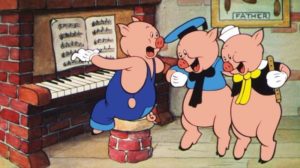
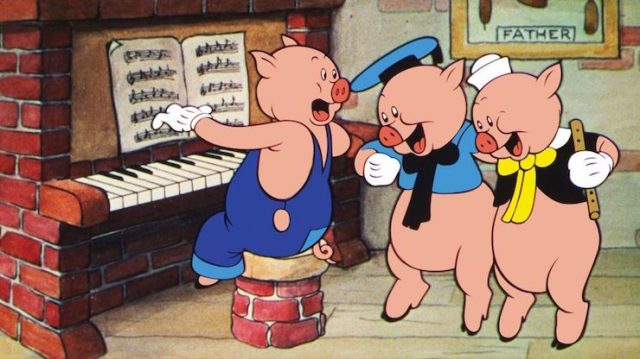
Copyright Disney 1933
It was a delight to read Jeremy Fassler’s ranking of all of the Oscar-winning animated shorts for New York Magazine’s Vulture. From Disney’s “Three Little Pigs” (which introduced the song “Who’s Afraid of the Big Bad Wolf?”) at #12 to the Hubleys’ “Moonbird” (#30), Herb Alpert songs (#59), and “The Hole” (#7) (John Hubley also worked on #4, “Gerald McBoing-Boing”) and Nick Parks’ “A Close Shave” (#43) and “The Wrong Trousers” (#1), from powerhouses like Tom and Jerry and Disney to one-offs like the Polish director who ended up in jail with his Oscar after he misplaced his ticket and got into an altercation with the security guard who would not let him back into the theater, it is an entertaining and insightful look at some of the greatest animated talents of all time.

Related Tags:


Animation Awards
THE MOVIE MOM® is a registered trademark of Nell Minow. Use of the mark without express consent from Nell Minow constitutes trademark infringement and unfair competition in violation of federal and state laws. All material © Nell Minow 1995-2026, all rights reserved, and no use or republication is permitted without explicit permission. This site hosts Nell Minow’s Movie Mom® archive, with material that originally appeared on Yahoo! Movies, Beliefnet, and other sources. Much of her new material can be found at Rogerebert.com, Huffington Post, and WheretoWatch. Her books include The Movie Mom’s Guide to Family Movies and 101 Must-See Movie Moments, and she can be heard each week on radio stations across the country.

Website Designed by Max LaZebnik